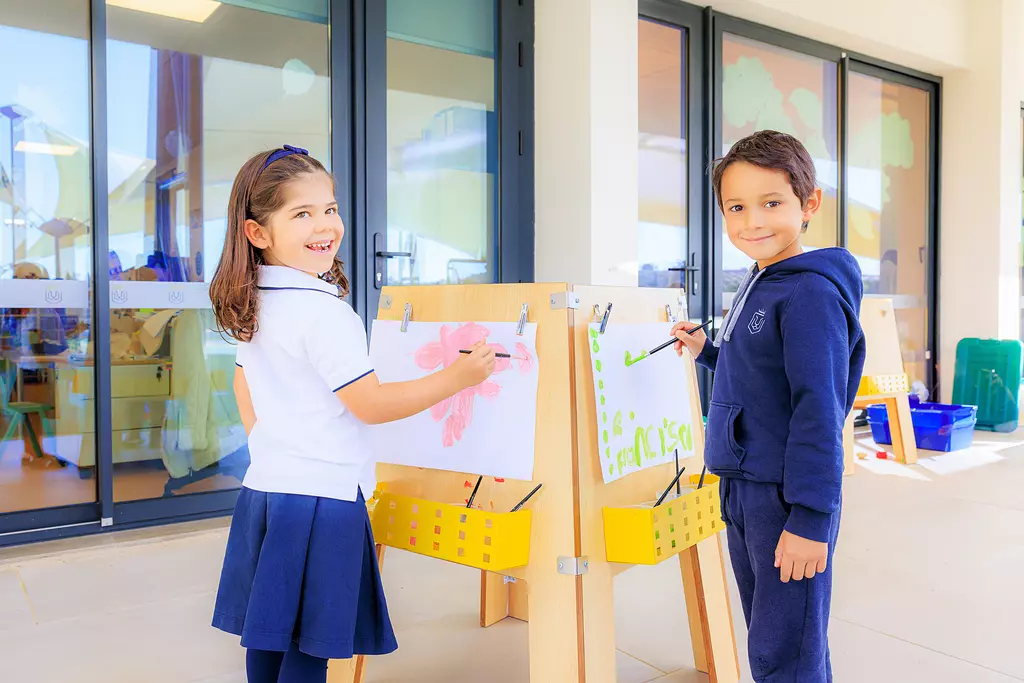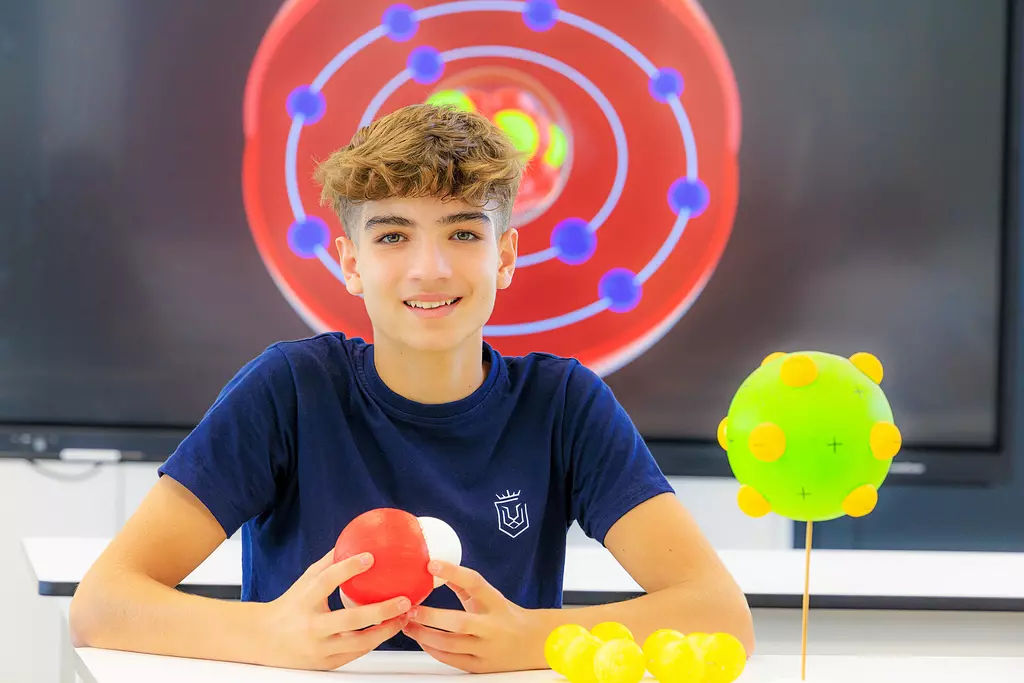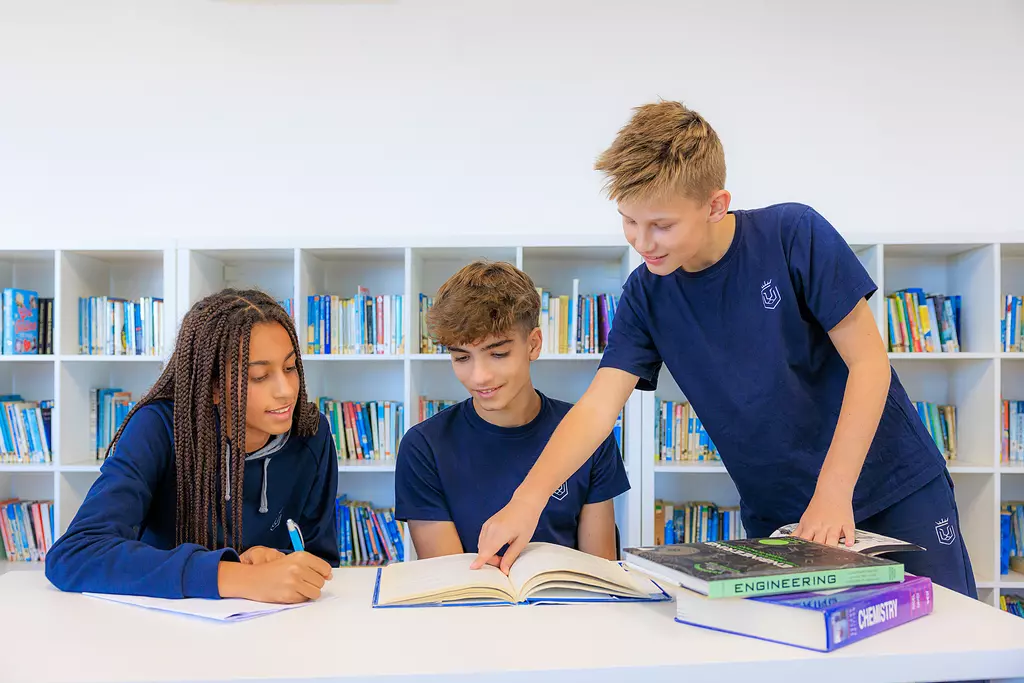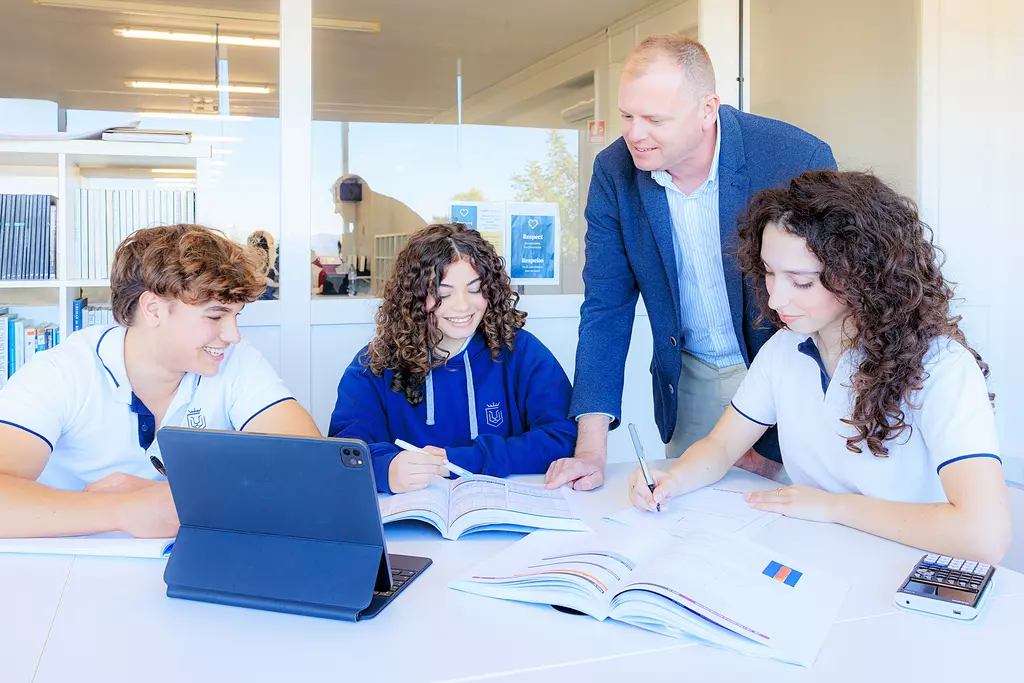
The journey at Nobel Algarve British International School Lagoa begins in our bespoke bilingual Pre-School, following a model based on the best of both the National Curriculum for England and the Portuguese National Curriculum, preparing students to progress to the International or National pathway. The International Section includes Primary, Secondary and a popular Sixth Form, offering iGCSEs, A-Levels or BTEC qualifications. In addition, our National Section offers a thorough programme from 1º to 12º ano, following the Portuguese Ministry of Education approved curriculum, leading to Portuguese national qualifications.
With consistent growth over the last 50 years, Nobel Algarve Lagoa's goal remains to provide an exceptional international education with a global perspective, high standards, and a safe, welcoming, and happy environment.
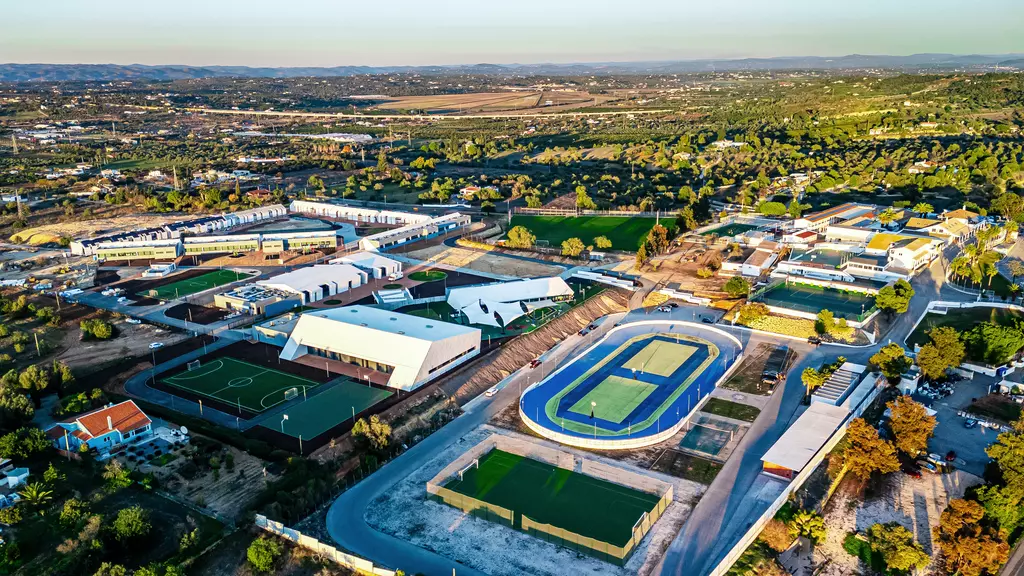
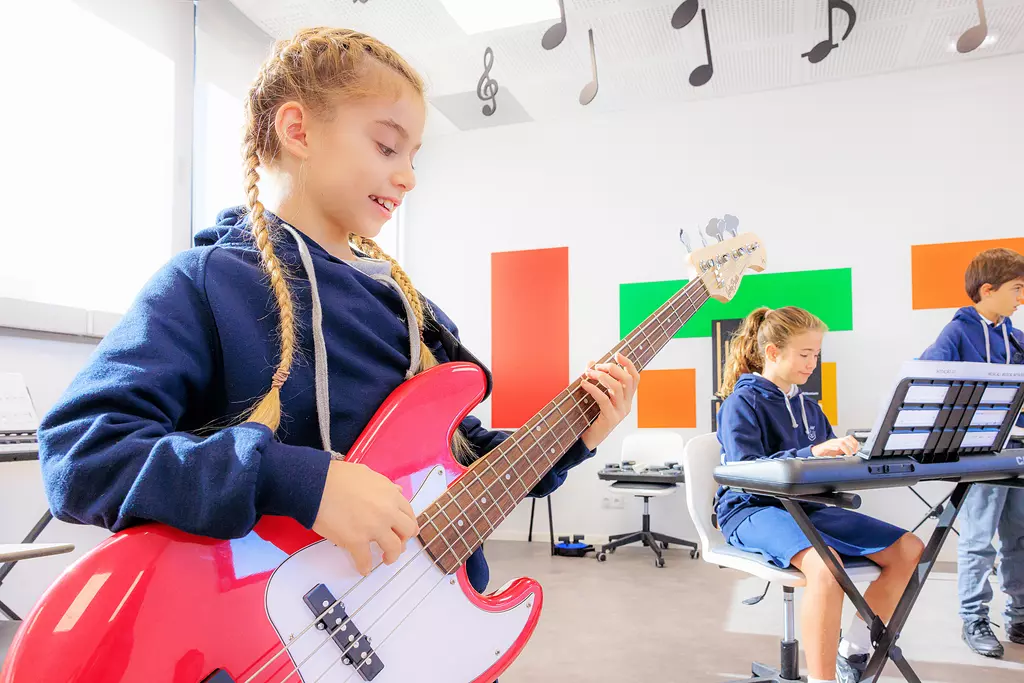
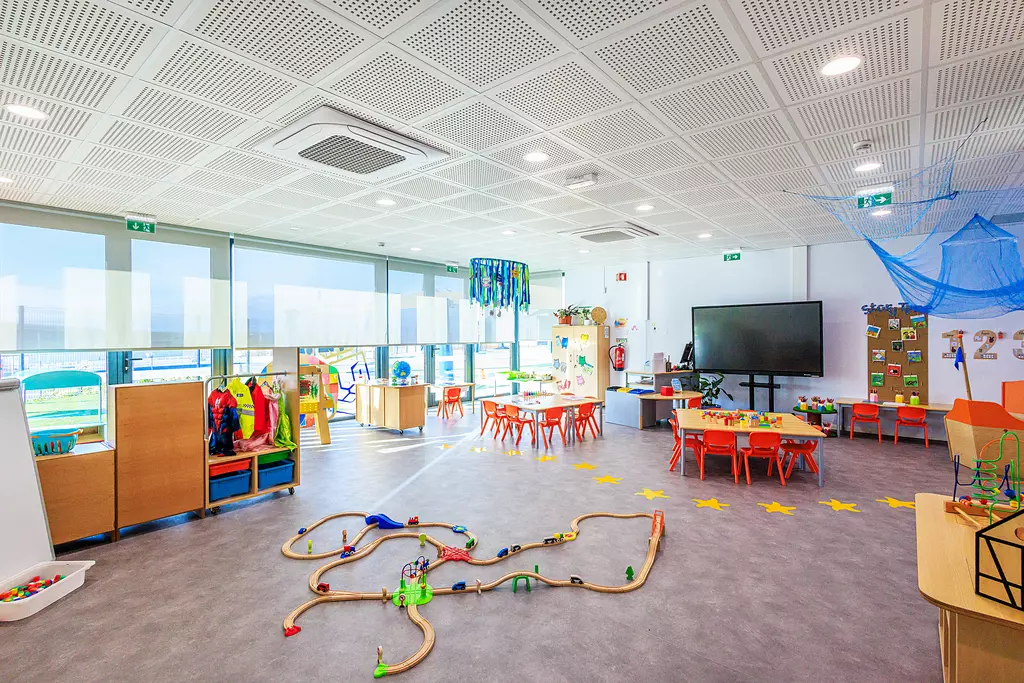
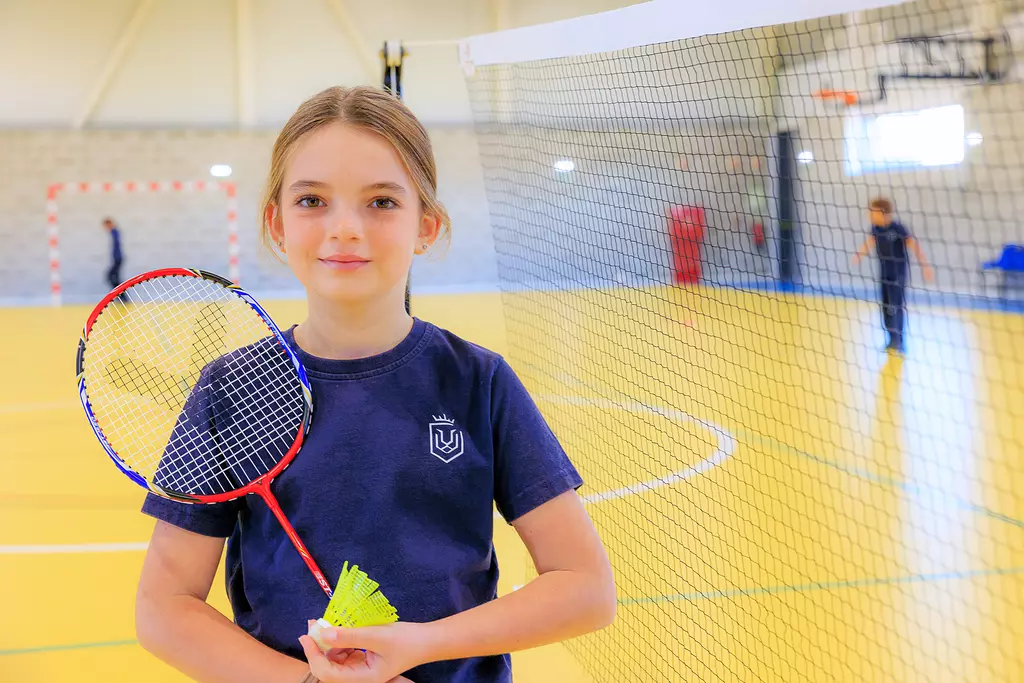
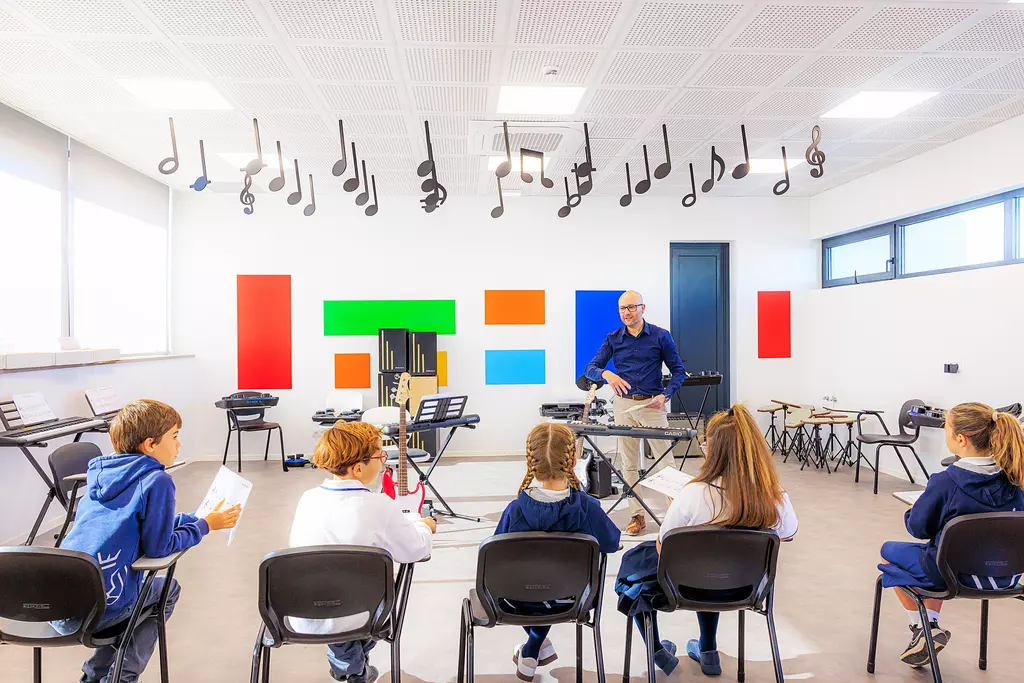
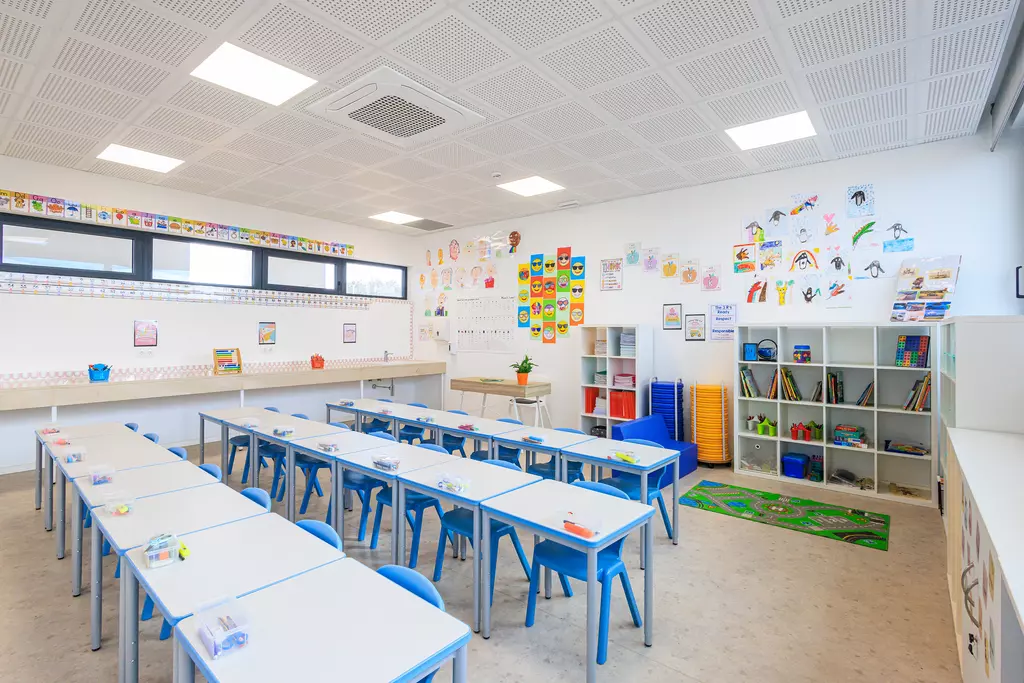
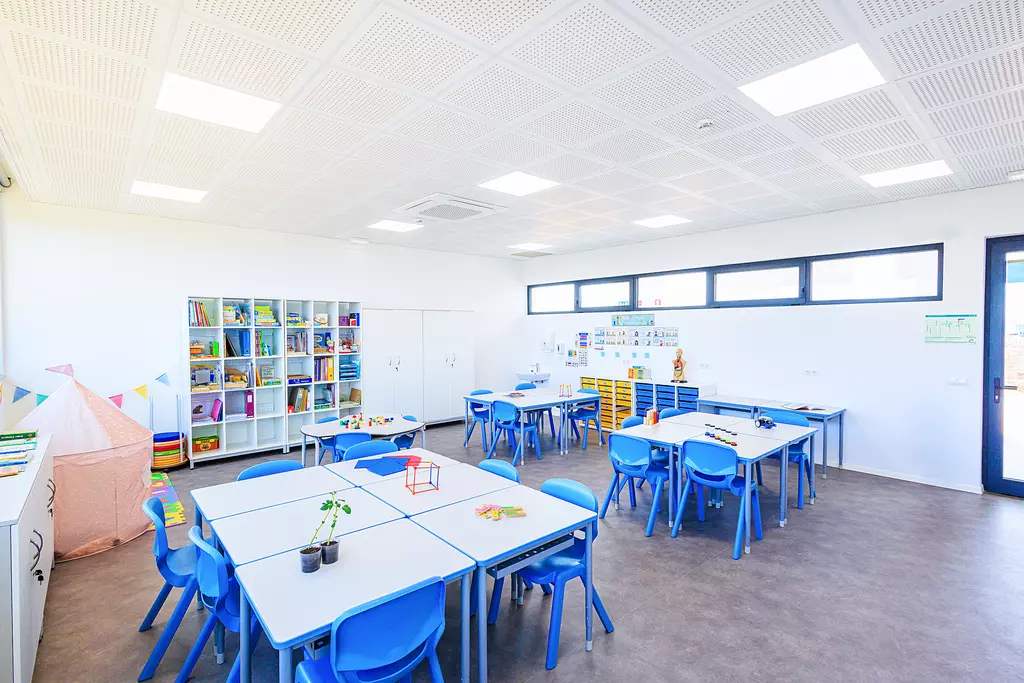
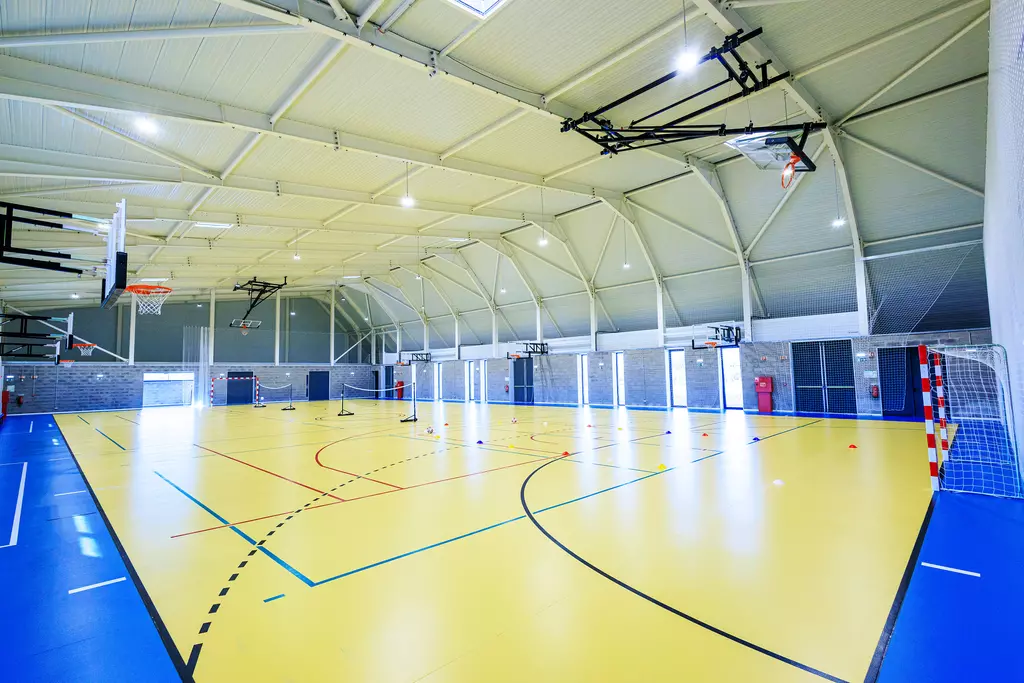
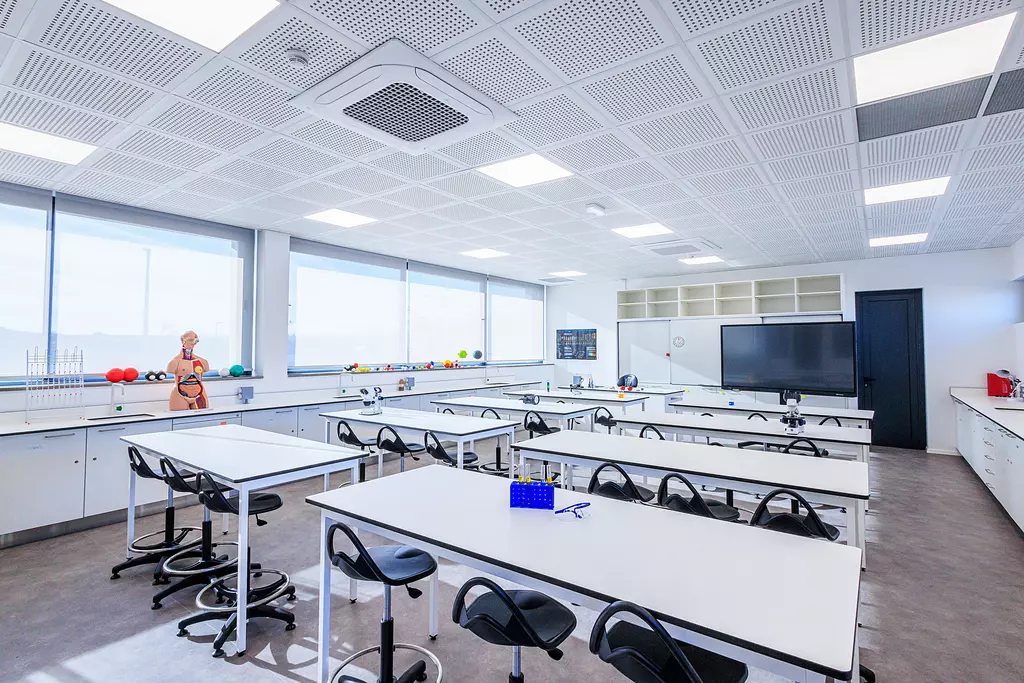
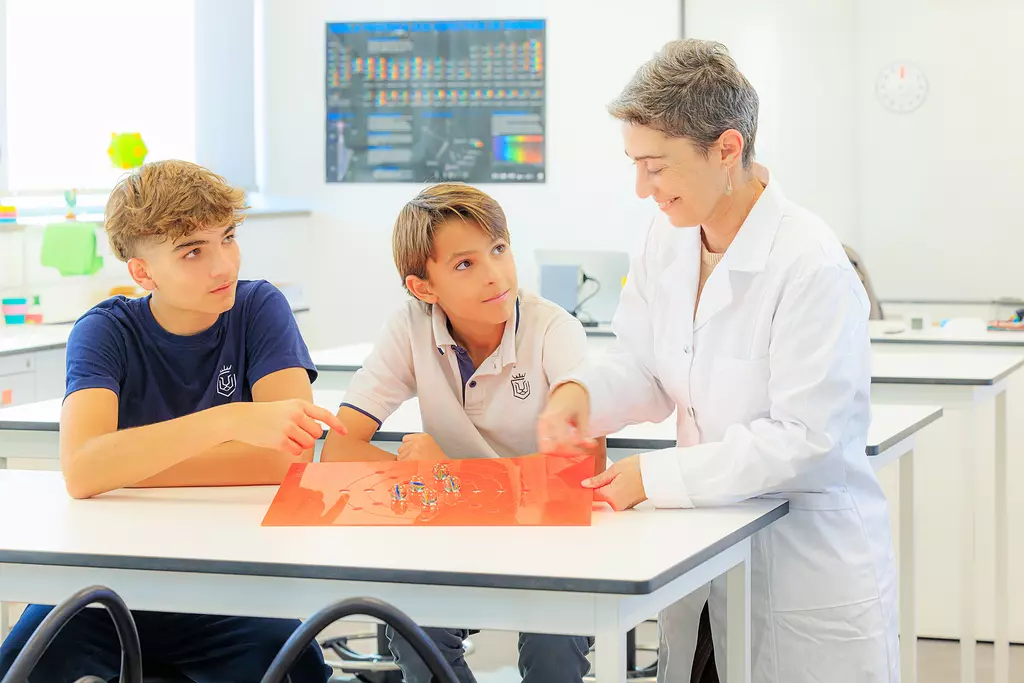
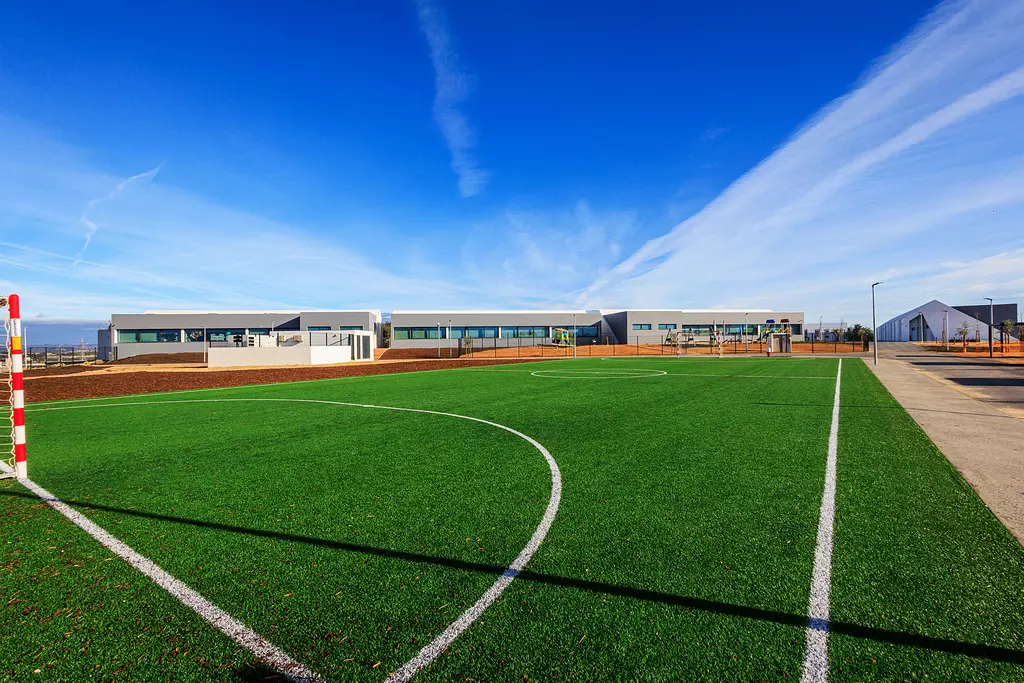
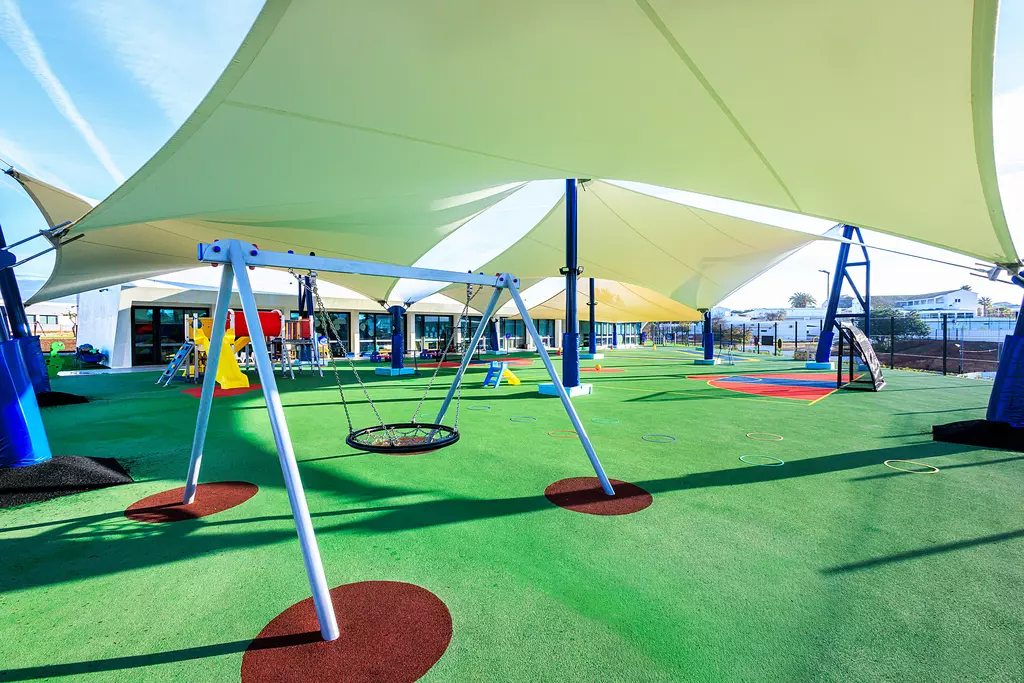
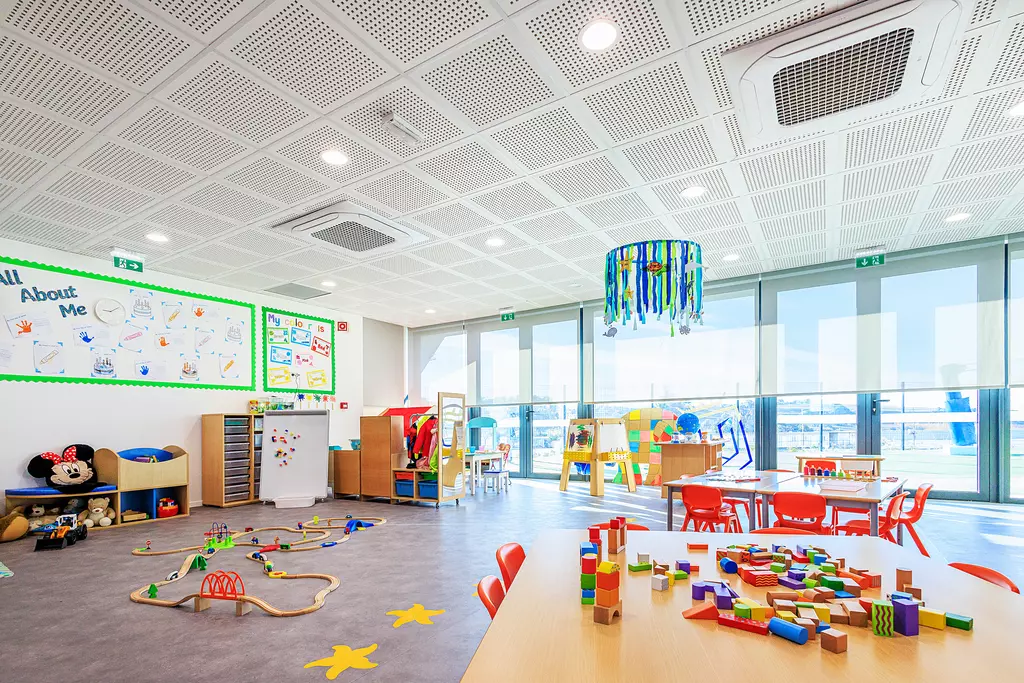
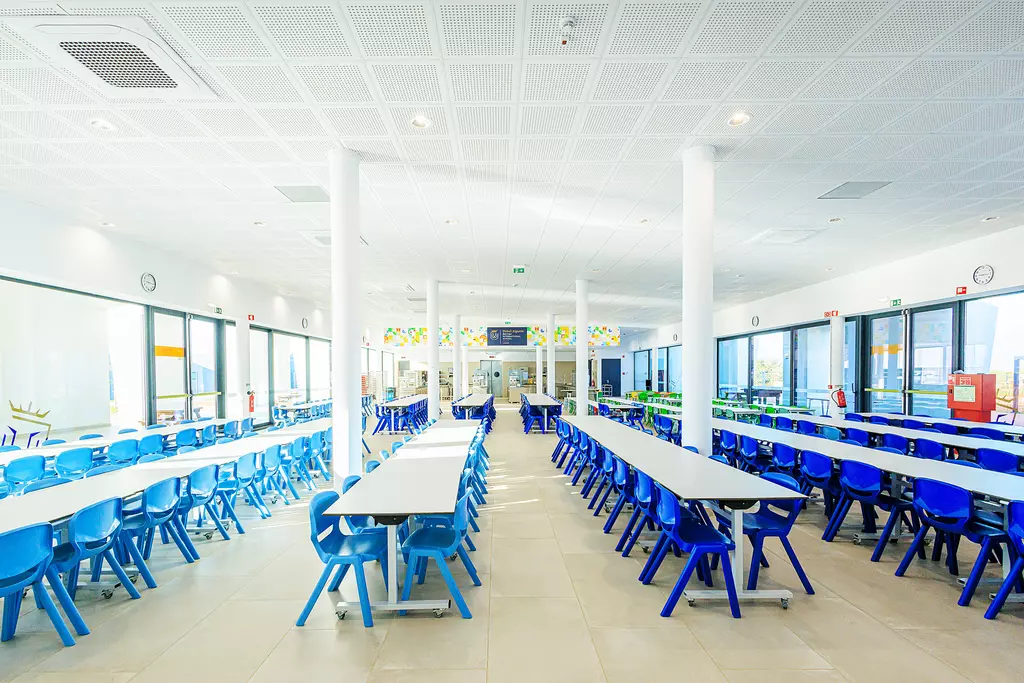
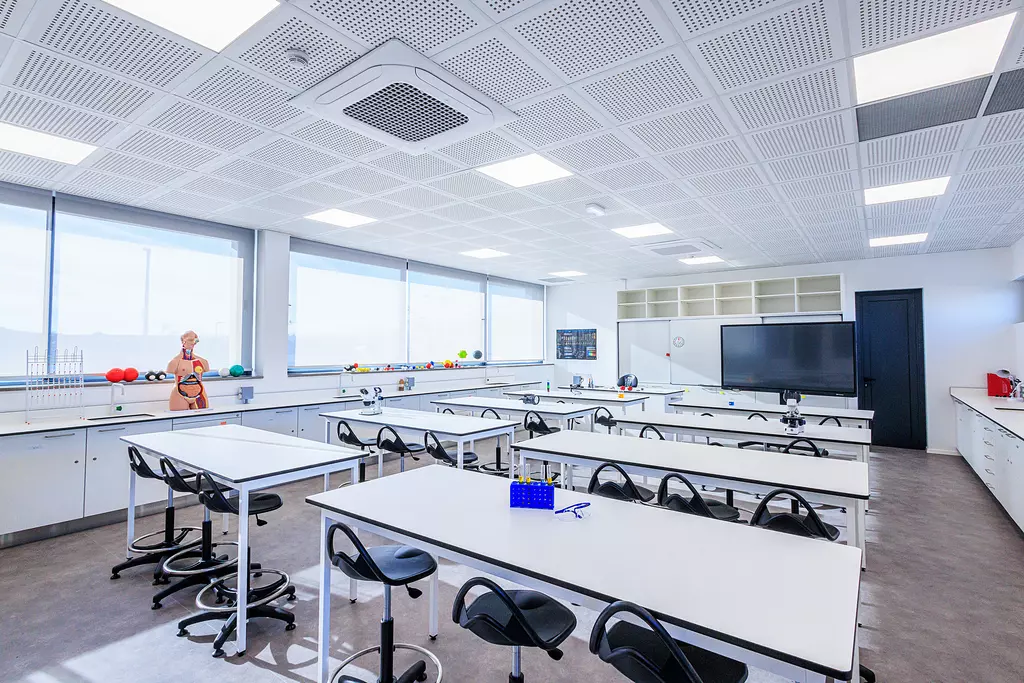
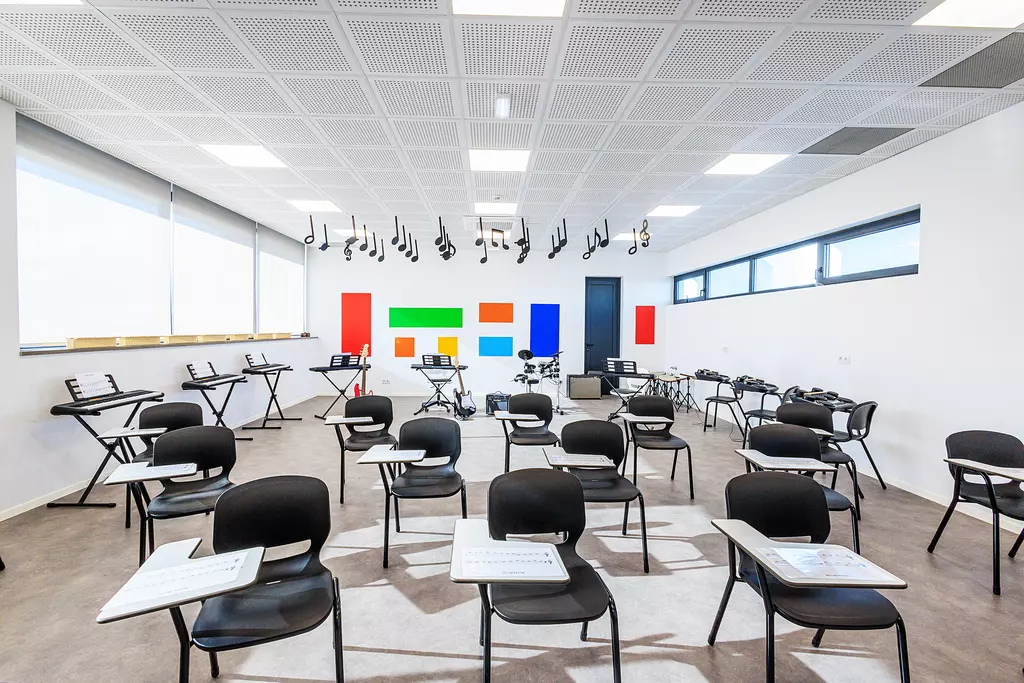
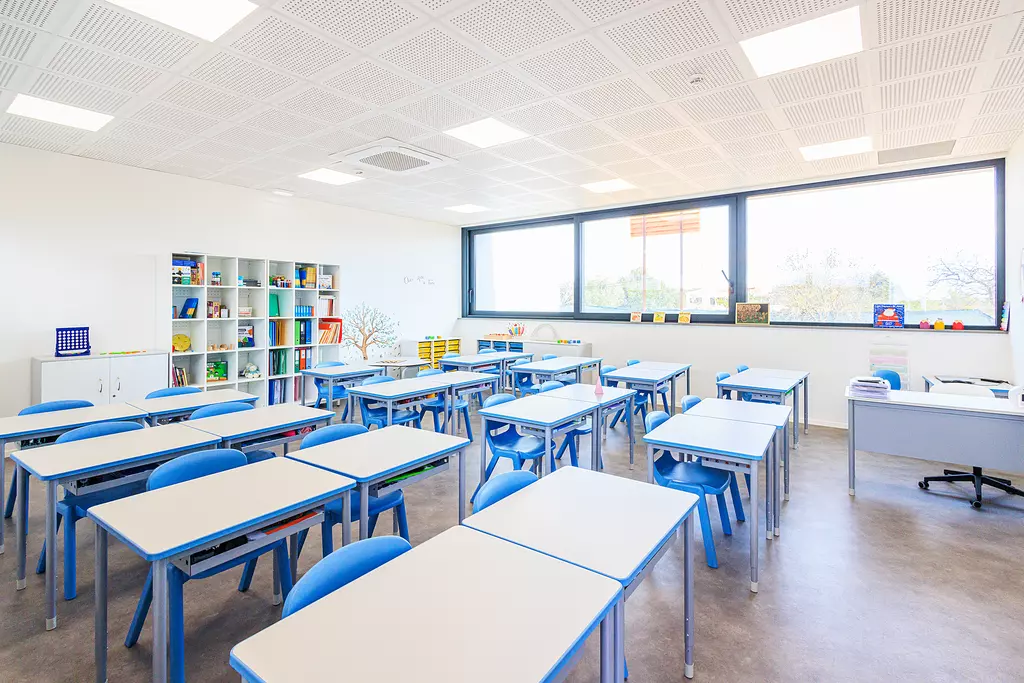
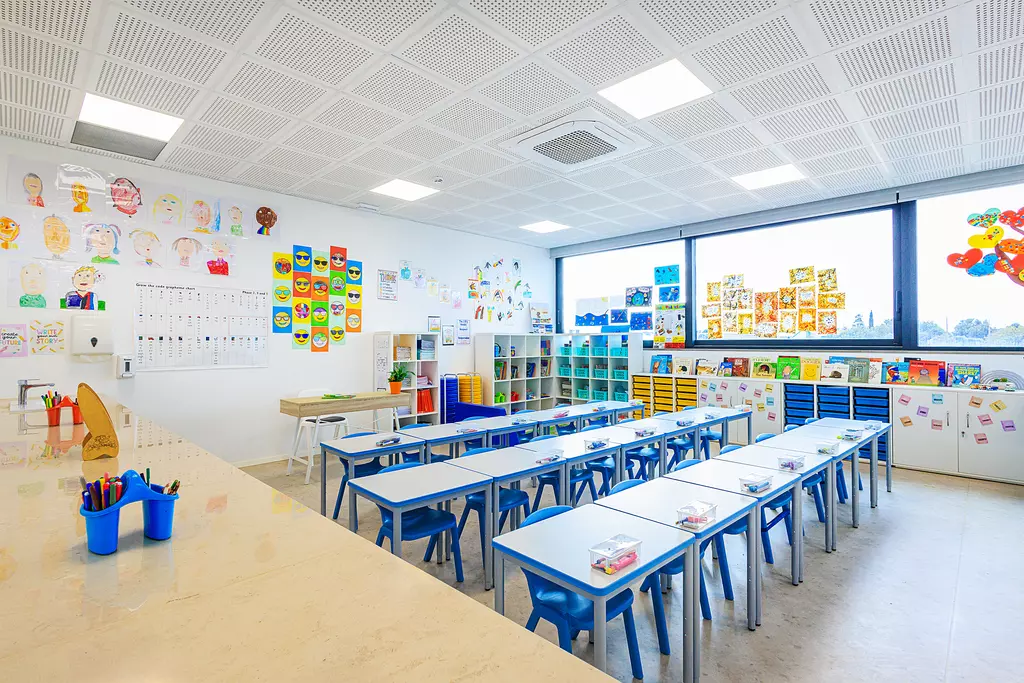
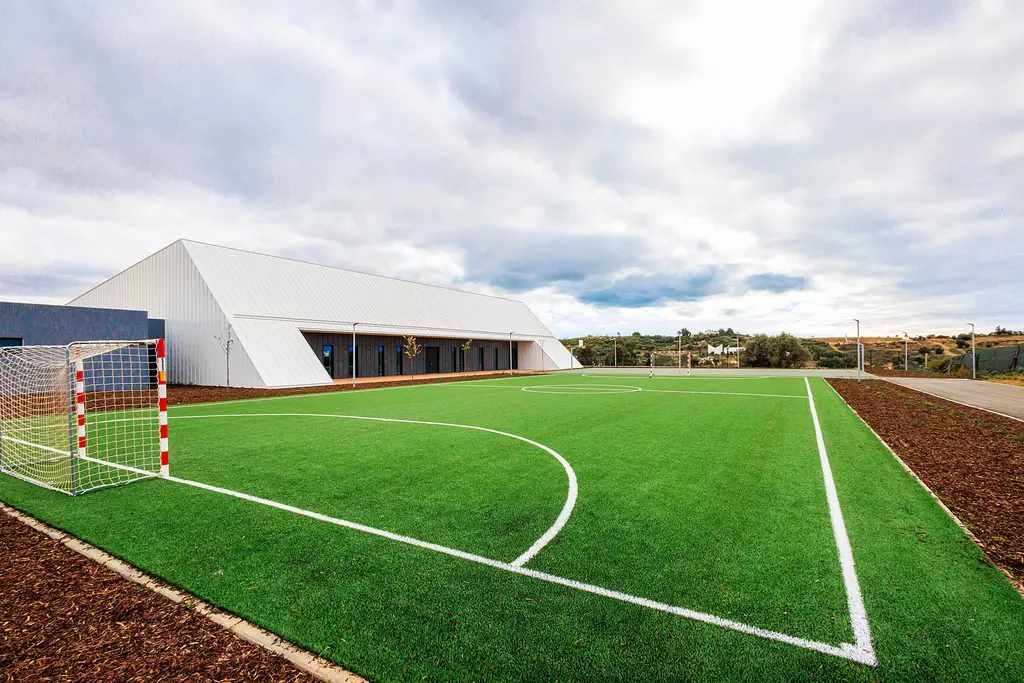
The introduction of new state-of-the-art facilities marks a significant leap forward, propelling us to unparalleled heights in the Algarve, with state-of-the-art classrooms, including science laboratories and music rooms, a bespoke pre-school and primary space, and a brand-new canteen. With more sports courts and a new multi-purpose gymnasium/performance space also on site, our students enjoy a well-rounded education in a vibrant and supportive environment.
We have organised the information available for this school into 10 sections and 38 questions. Click or tap on the name of each section to read more.
|
Number of students
|
1000+
|
|
Number of nationalities represented in the school
|
50+
|
|
Most common nationality
|
British and Portuguese
|
|
Ratio of local students to international students
|
1:2
|
|
Native English speaking teachers
|
Yes
|
|
Language support for students not fluent in English
|
Yes
|
|
Additional language classes offered by the school
|
Portuguese, French
|
|
Max. number of students per class
|
25
|
|
Average number of students per class
|
20
|
|
Does the school employ teaching assistants?
|
Yes
|
|
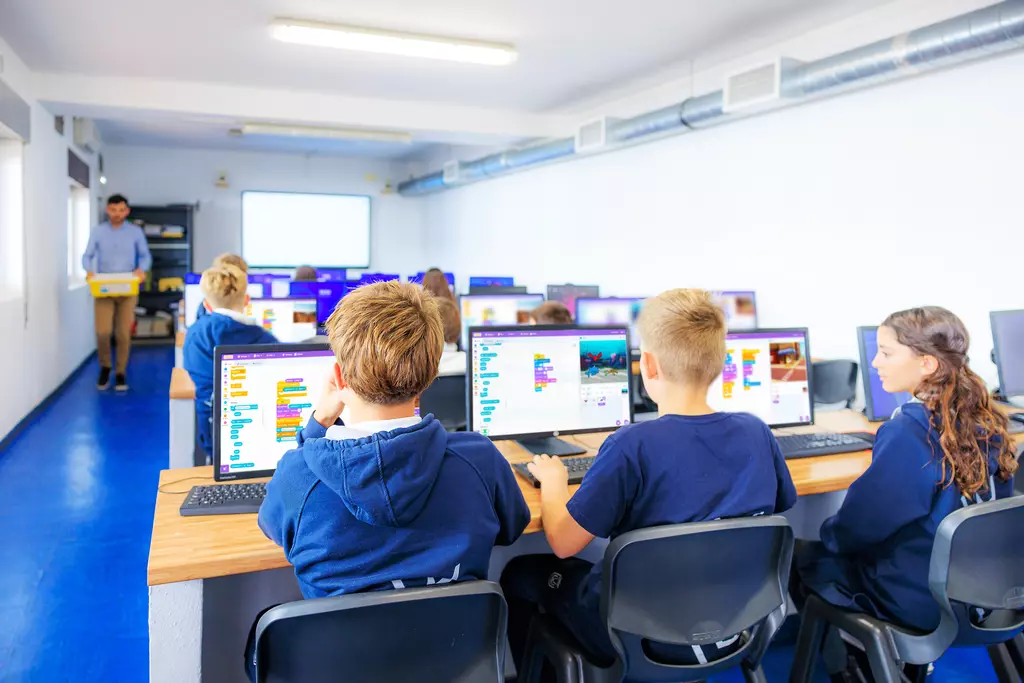
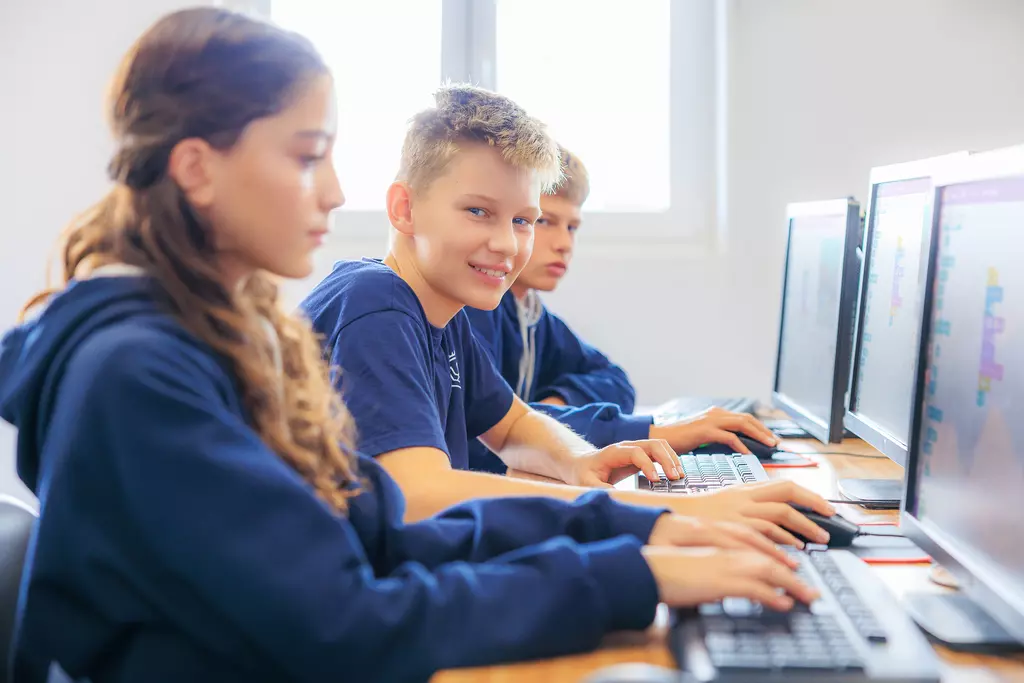
Use of technology in the classroom
|
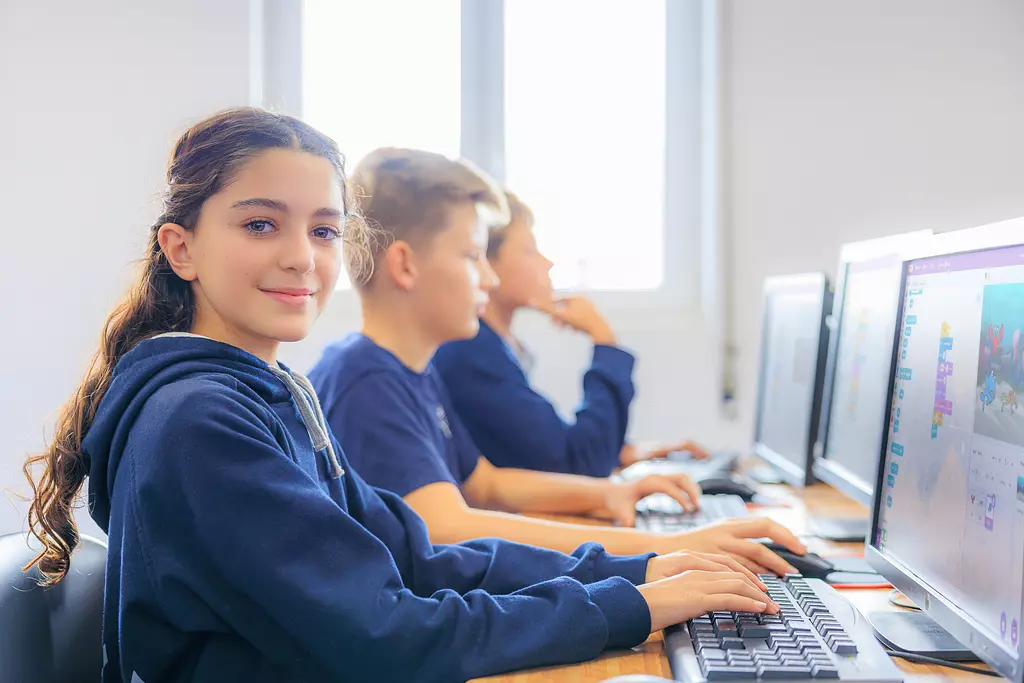
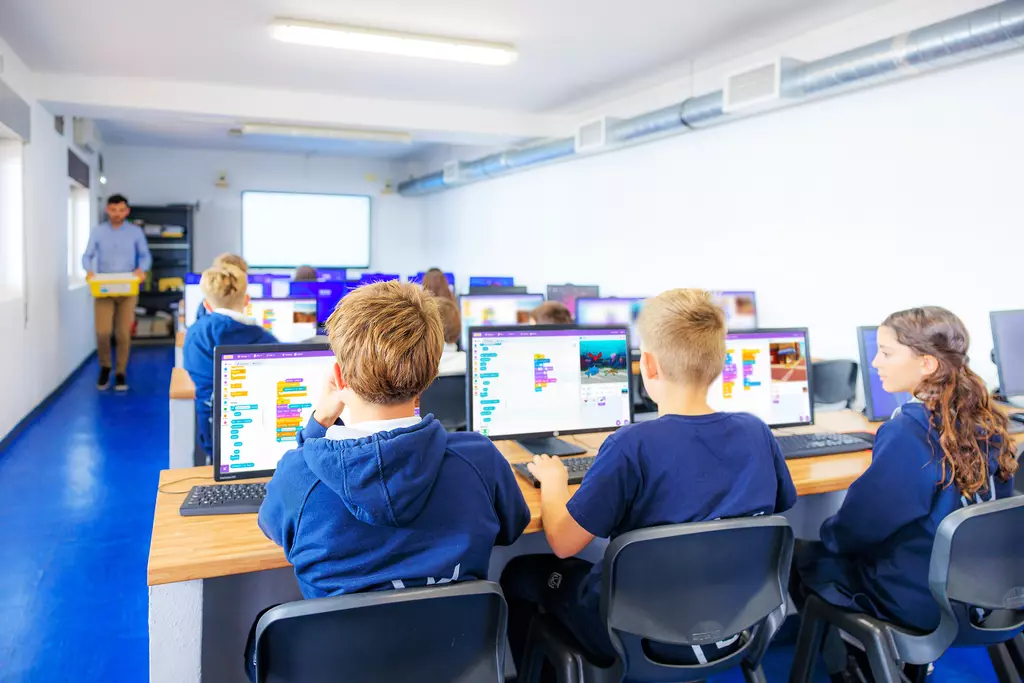
Technology is an integral part of learning at the school and modern equipment is widely available.
|
|
Is the school ready to use virtual classrooms when needed? (e.g. teaching lessons online during emergencies)
|
Yes, the school currently uses MS Teams and is prepared to switch to online as it did during the first COVID-19 school closure in 2020.
|
|
Do students practice religion at the school? What religion?
|
No
|
|
External examinations or assessments available
|
National Curriculum for England (International Section) students sit IGCSEs and A-Levels (BTEC qualifications being offered since Sept-2026).
Portuguese National Curriculum (National Section) students follow the curriculum according to the Portuguese Ministry of Education, up to 12º Ano.
|
|
Results in these examinations
|
Academic Year 2024/25 Results
National Curriculum for England:
- Our A-Level students secured 60% of grades at A*/A/B, with 38% achieving the highest A*/A grades, well above the UK average of 28%.
- Our iGCSE cohort followed in their footsteps with over 35% attaining Grade 7 (Grade A equivalent) or above and a strong overall pass rate of 83% at Grade 4 (Grade C equivalent) or higher and again surpassing the national averages in the UK.
Portuguese National Curriculum:
- 4º and 6º ano ModA Assessments: While nationally around 42% of pupils, and regionally 39%, reached these levels of excellence (Advanced + Proficient), at our school the figure was 65%, establishing the school as a benchmark of educational quality in the region.
- 9º ano Examinations: At the end of the third cycle, our 9º ano pupils faced a crucial milestone, and the results speak for themselves: our school significantly outperformed the national average across all subjects with an overall average of 63.6% (+11% compared to the national average)
- Secondary National Examinations: Several 12º ano pupils achieved averages above 18 marks, with the highest result reaching 19 marks. Our school outperformed the national average of 12.5 marks (+1.1 compared to the national average of 11.4)
|
|
Do teachers assign homework to their students?
|
Yes. A homework timetable is kept both by pupils and the school. The overall homework expectations at different levels in the school remain under constant review.
|
|
Approximate hours of homework given
|
Primary children are expected to read regularly. Year 1 and 2 pupils take home a reading book every day to read aloud to a family member. In Years 3 and 4, homework is given at the teacher’s discretion, for example, to learn spellings and tables and to complete class assignments. Weekend homework is usually required. In Years 5 and 6, the children have homework every evening. In Year 7 there are usually two sets of homework of 20 minutes each per night. This increases by year, reaching three subjects of 40 minutes each per night by Years 10 and 11. In Years 12 and 13, extra study is planned with the teacher according to the demands of the syllabus.
|
|
Percentage of students who pursue further education post-graduation
|
99%
|
|
Dedicated staff/programs for students with special learning needs
|
Learning Support teacher
|
|
Student access to education psychologist
|
Nobel employs two full-time School Psychologists, one for each section, who work in consultation with parents and teachers to help wherever necessary for the benefit of students.
|
|
Entry evaluation for students
|
All new students are required to have an initial meeting with the Head of Section, and then the Head decides if the students require an assessment. Admission is always dependent on a meeting with the Head of the relevant campus, who will answer any questions and discuss academic options. Meetings for the next academic year are being booked from the previous year as of January.
|
|
Waiting list
|
Yes
|
|
Deadline for registration (new academic year)
|
No deadline, rolling admission. Applications are accepted throughout the year, subject to the being a place available for the child. Due to increasing demand, early registration is recommended.
|
|
Students can join after academic year begins
|
Yes, if places are available
|
|
School start time
|
9.15 am
|
|
School finish time
|
4.30 pm
|
|
Supervised care before/after school
|
Yes
|
|
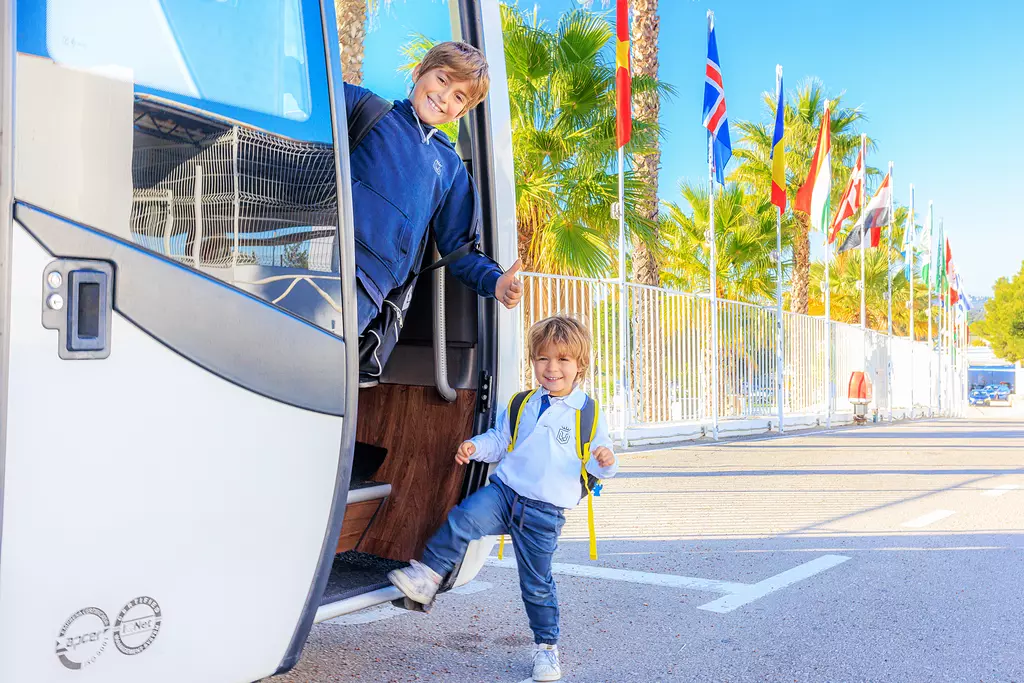
School bus service available
|
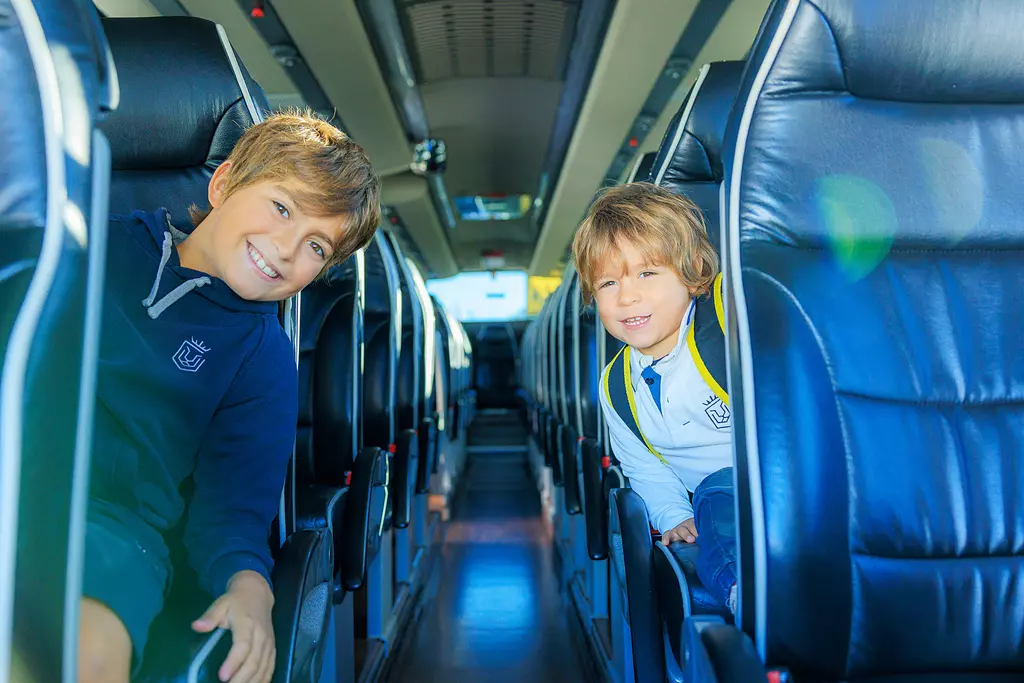
Yes. Around 8 different routes from Lagos to Faro/Loulé
|
|
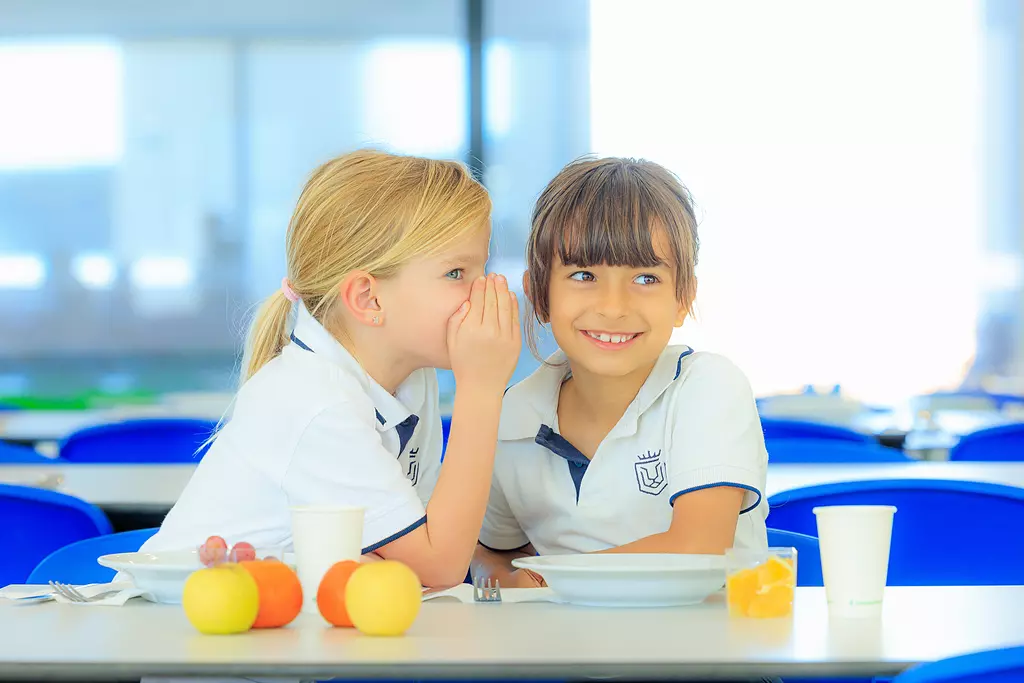
School provided lunches
|
Yes, for an additional charge.
|
|
Food alternatives for special dietary needs (ie. vegan, kosher, halal etc)
|
A daily vegetarian option is available, alongside dietary requirements considered.
|
|
Uniform required
|
Yes
|
|
Facilities at the school
|
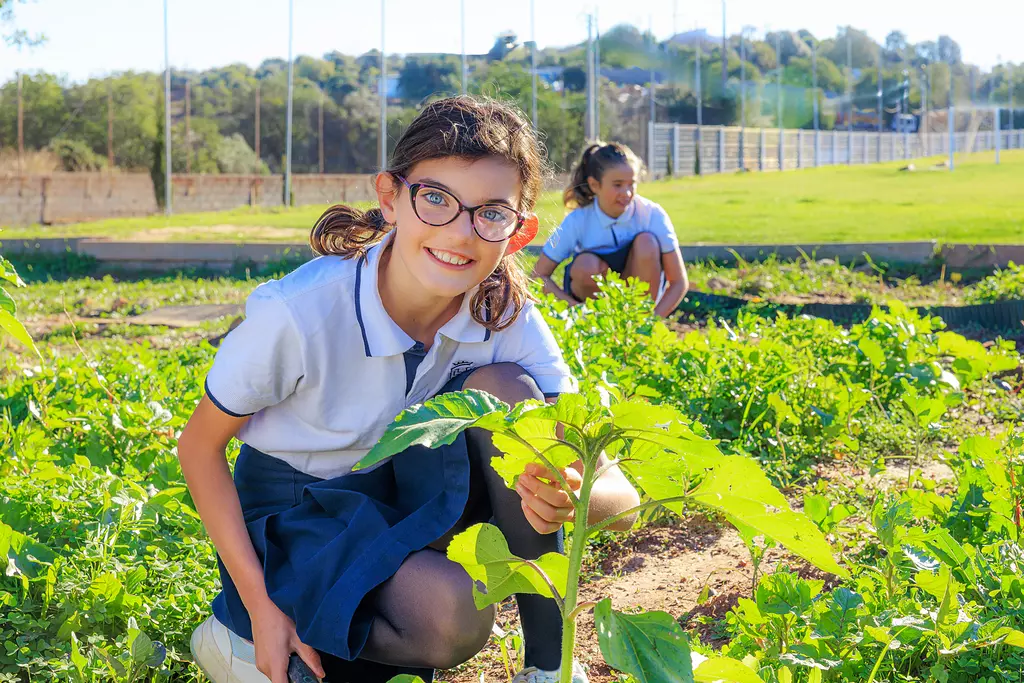
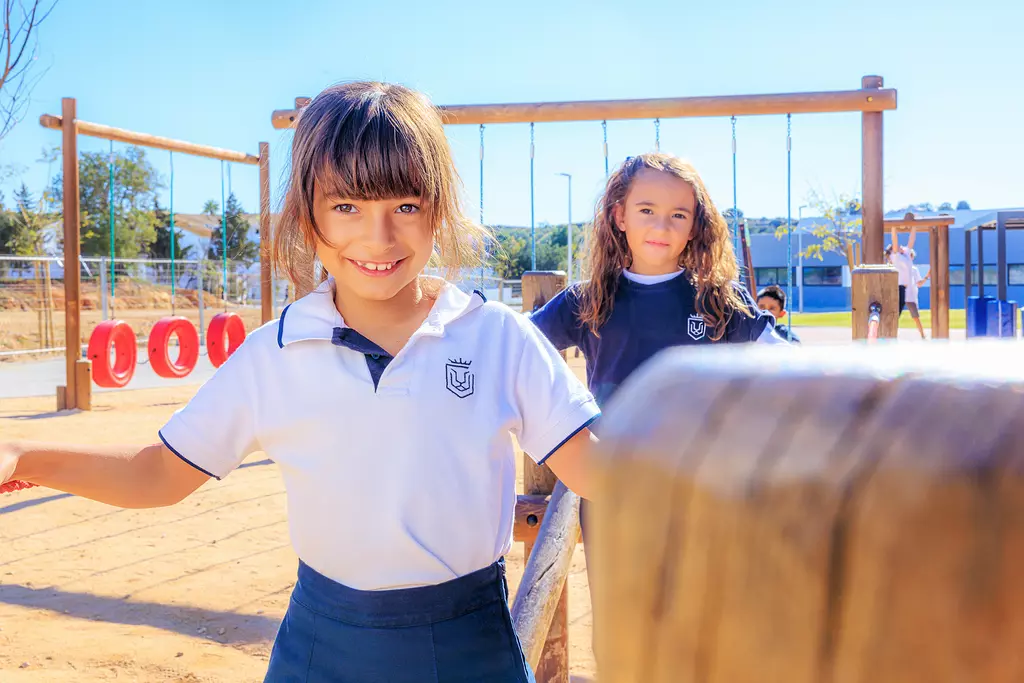
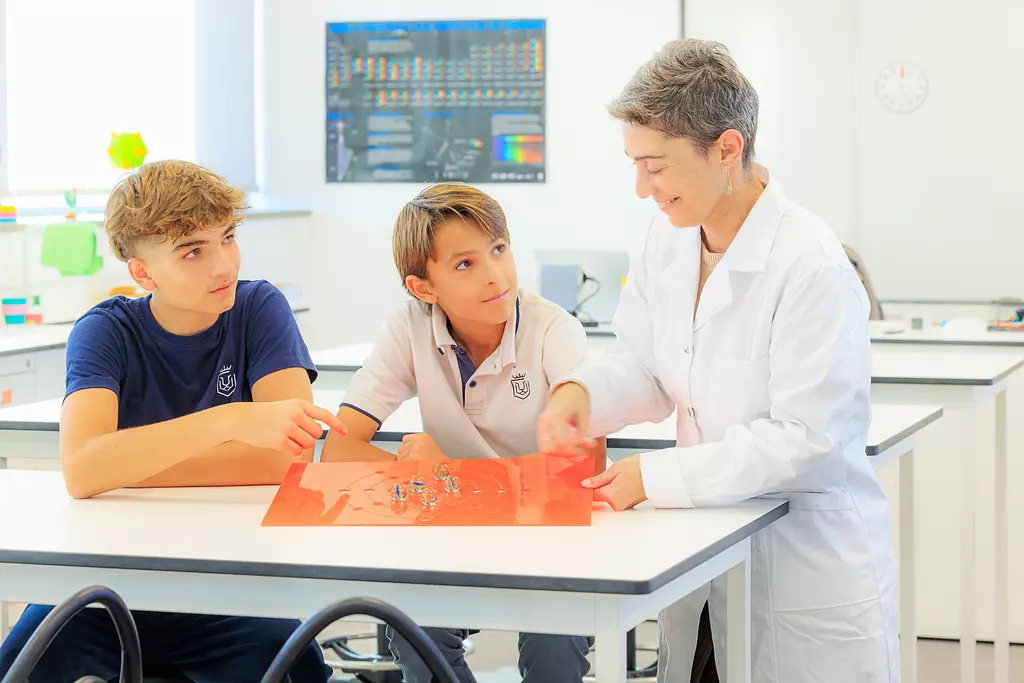
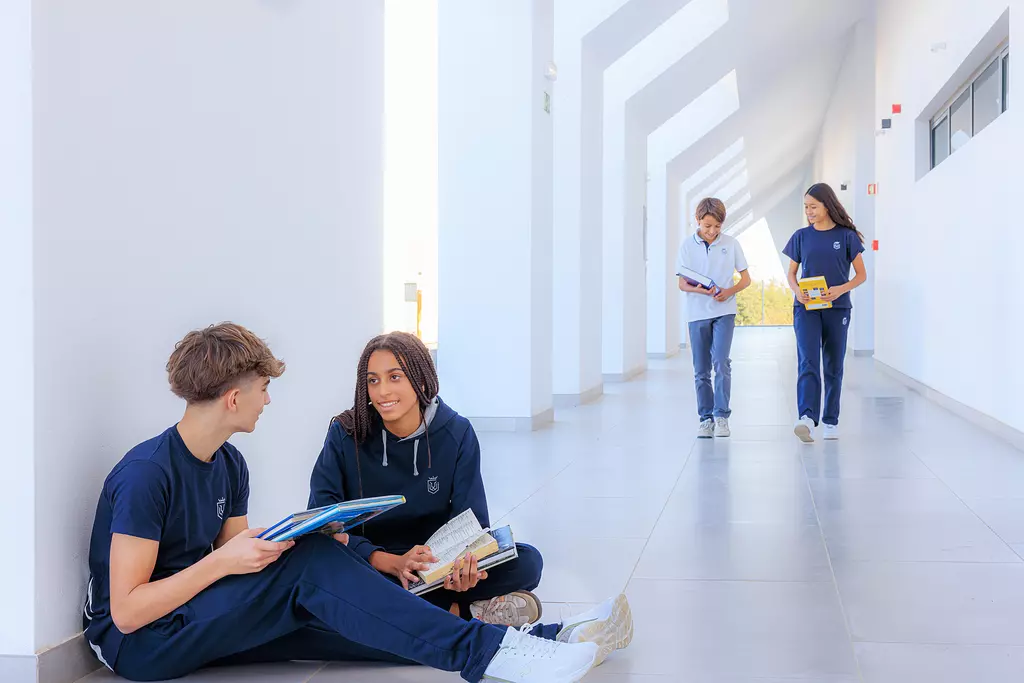
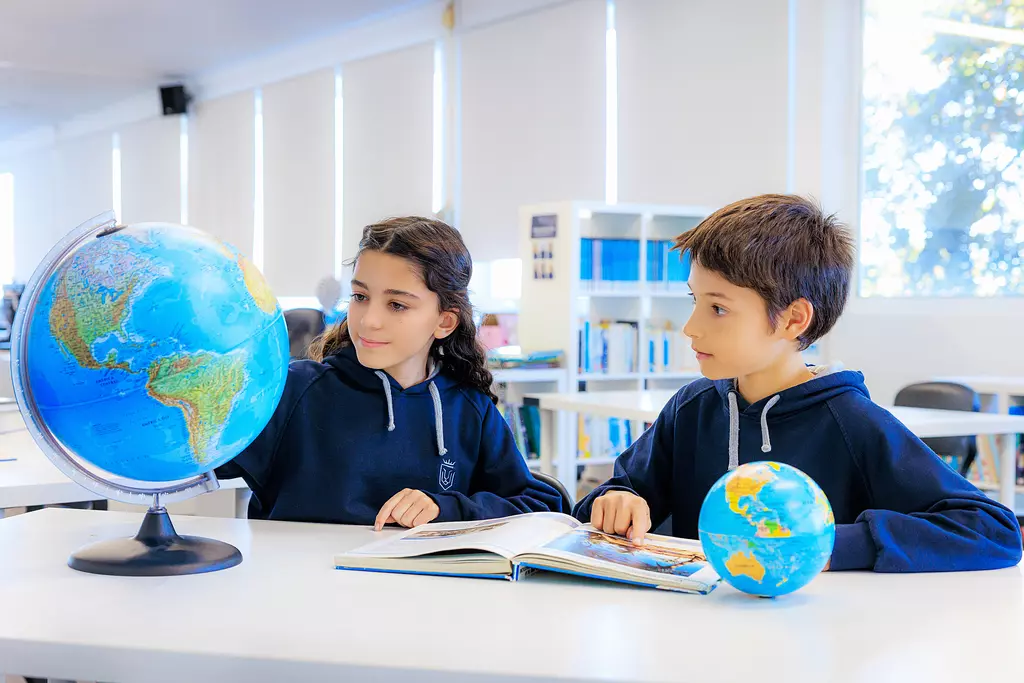
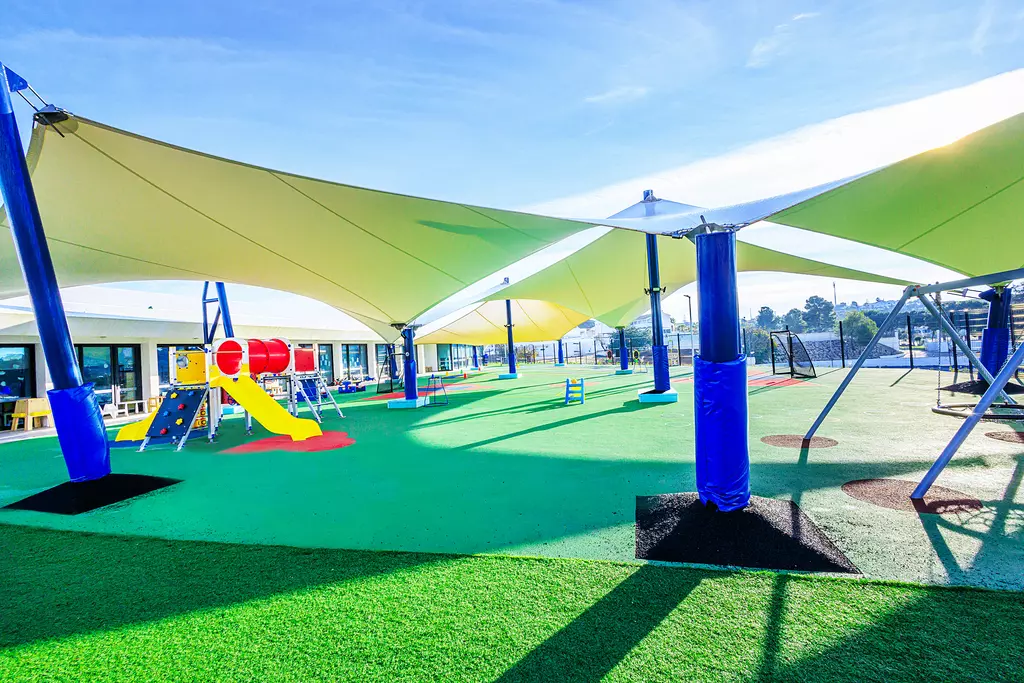
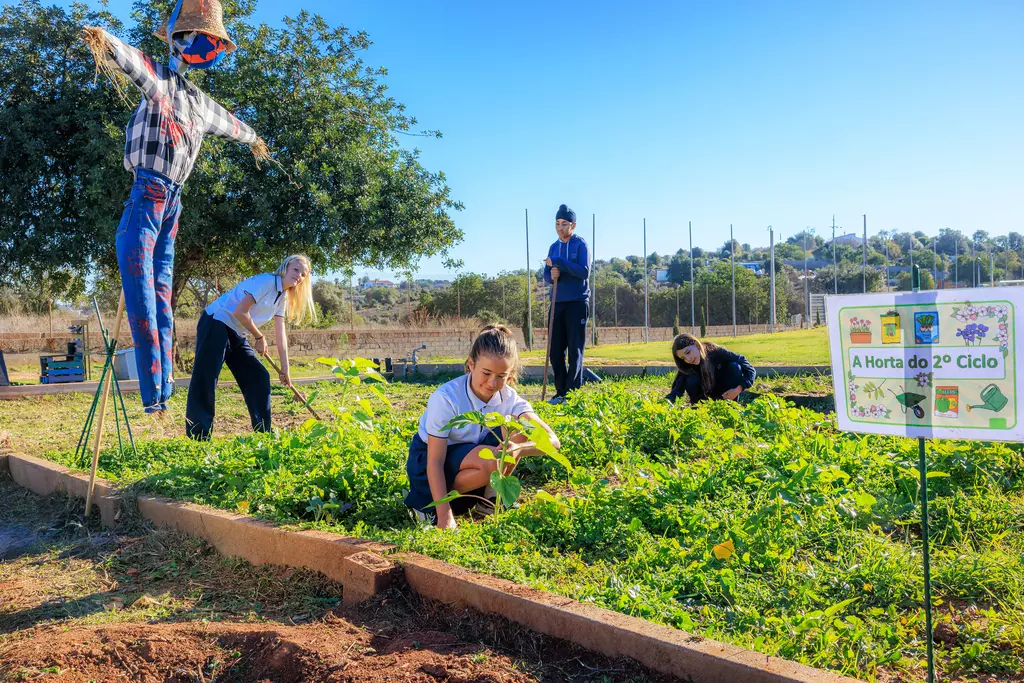
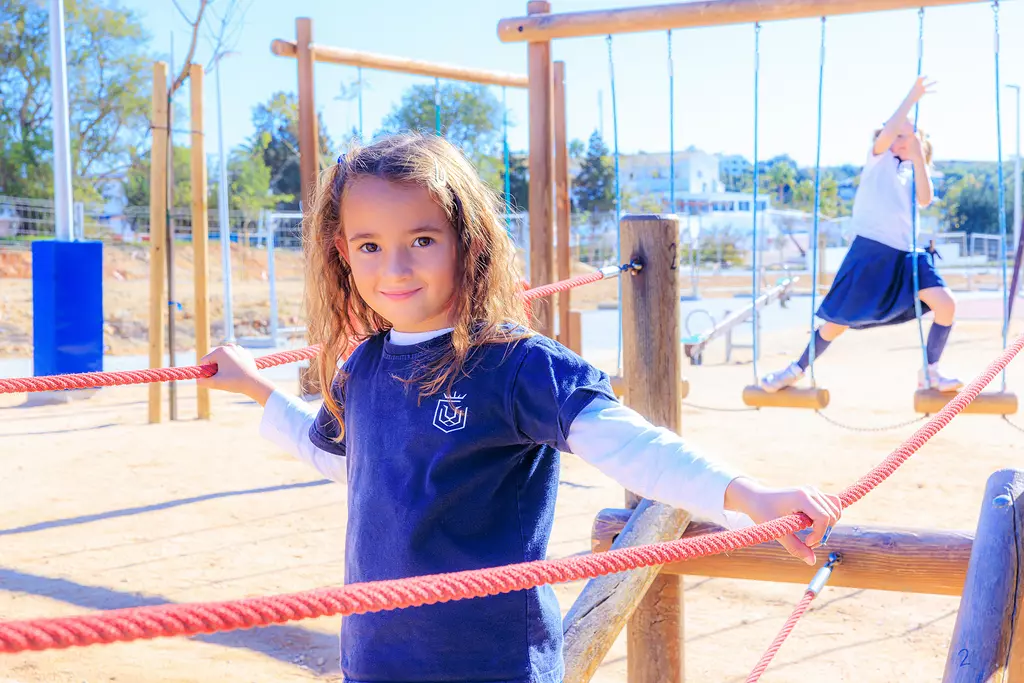
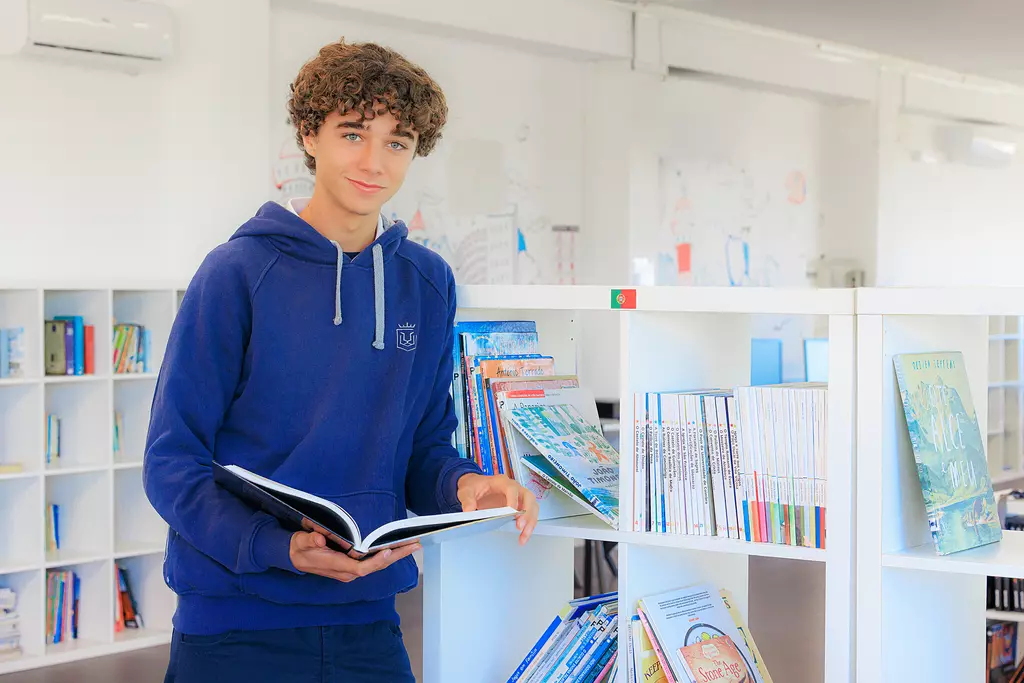
Facilities include a fully-stocked library, computer labs, gymnasium and sports fields, science labs, dedicated outdoor learning and playground areas
|
|
Sports facilities at the school
|
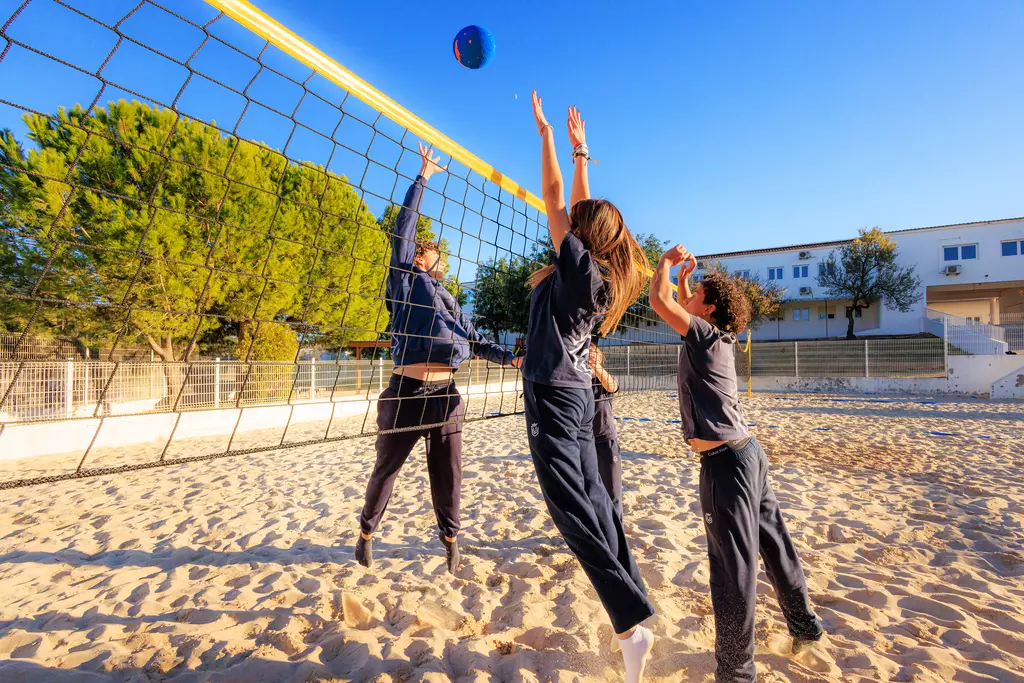
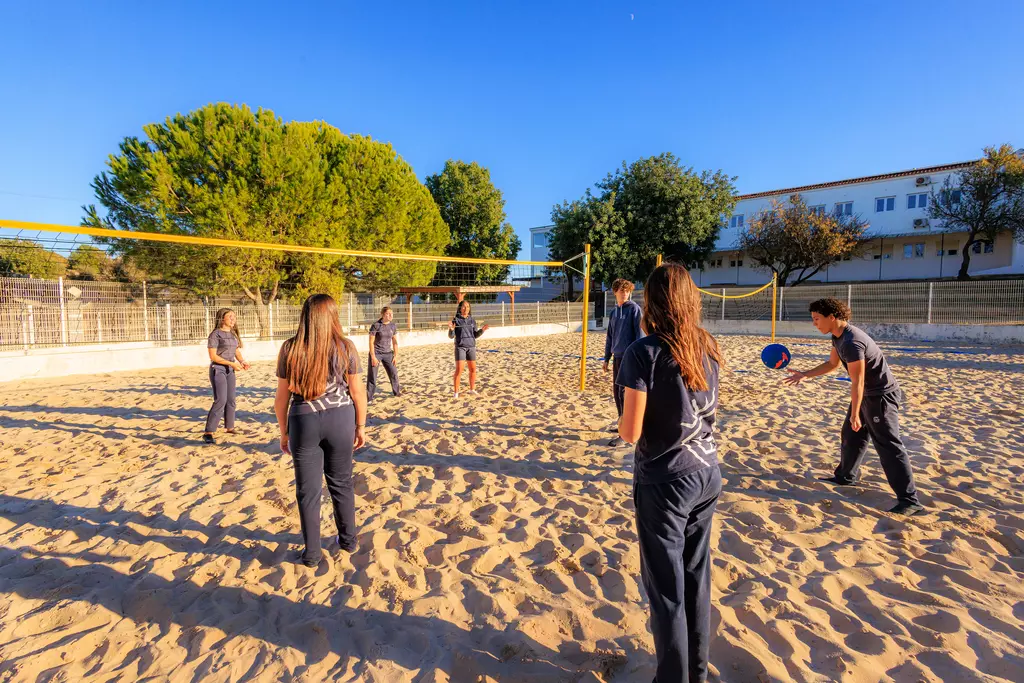
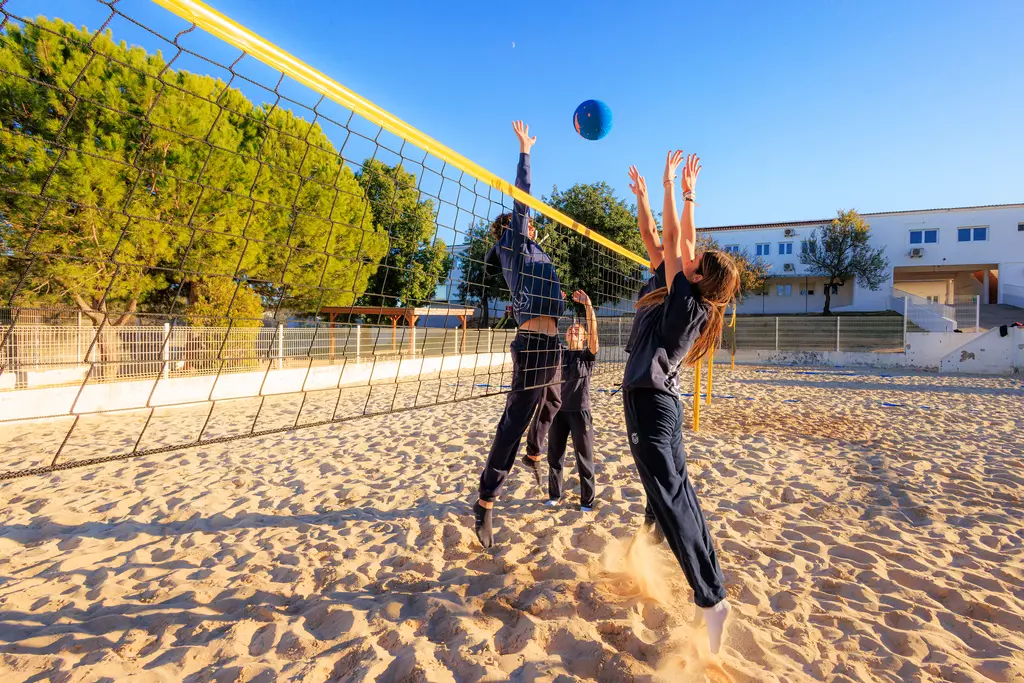
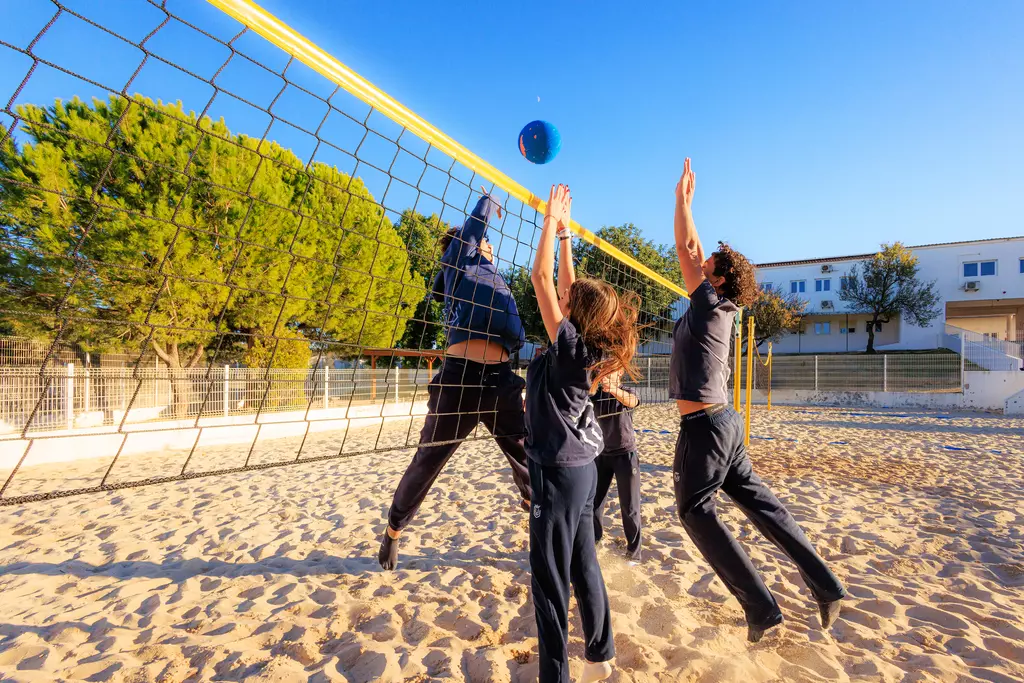
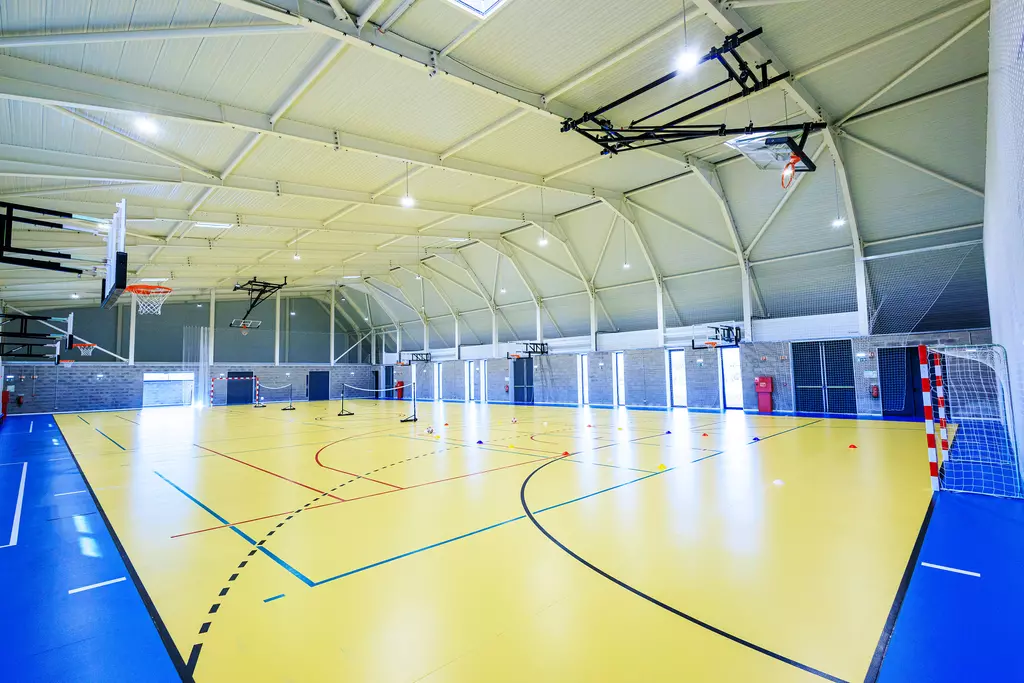
Basketball and volleyball courts, inline speed-skating rink, football fields, cross-country track, indoor gymnasium
|
|
Qualities and characteristics best defining the school
|
Nobel Algarve British International School Lagoa is the oldest and largest private school group in the south of Portugal, offering a co-educational day school with multiple locations for pupils aged 3 to 18. At our school, we provide students with an educational experience that challenges their minds, inspires their creativity, and instills a desire for discovery that will last a lifetime. We believe Nobel Algarve Lagoa offers your child an education that will prepare him or her for a lifetime of success, achievement, and personal satisfaction. Here at our school, we are proud of the education par excellence we provide for our +1,000 students and of their outstanding achievements.
|
|
Teaching approach of the school
|
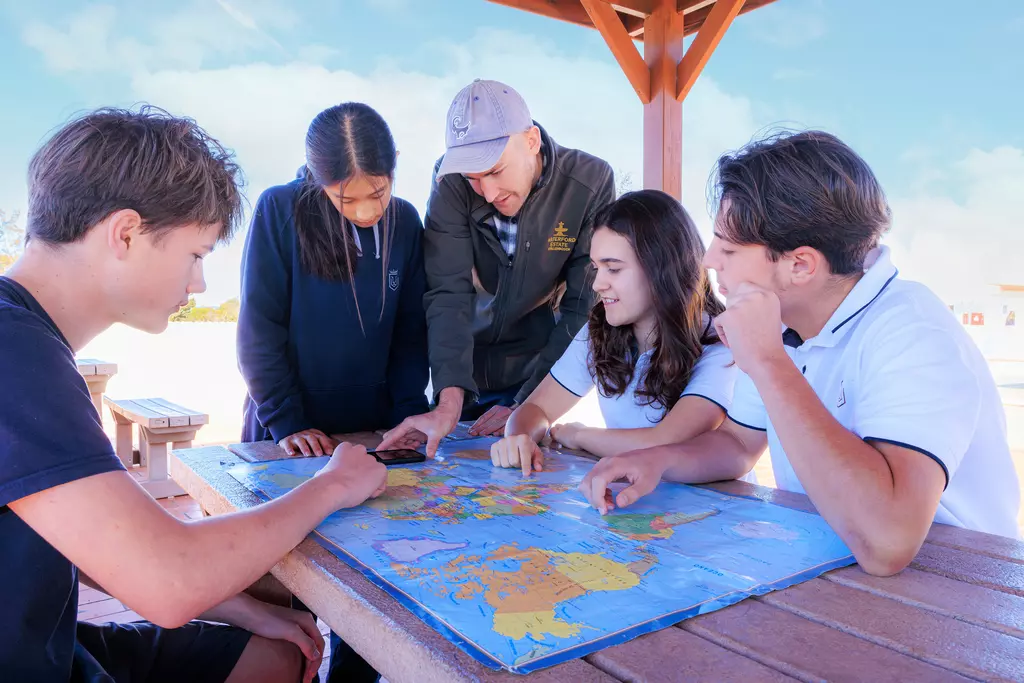
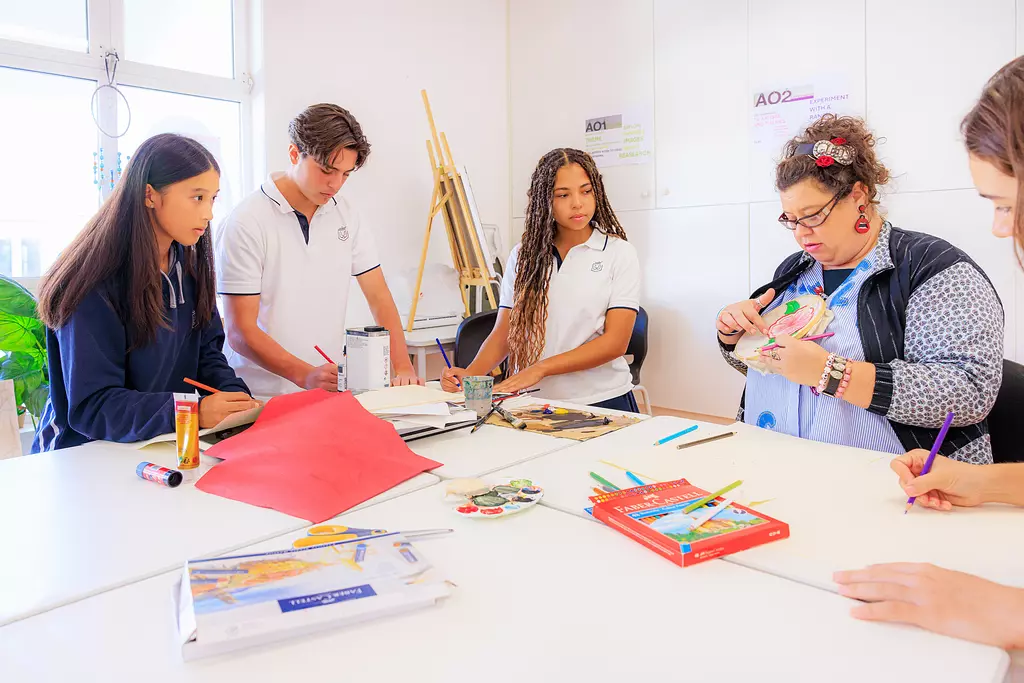
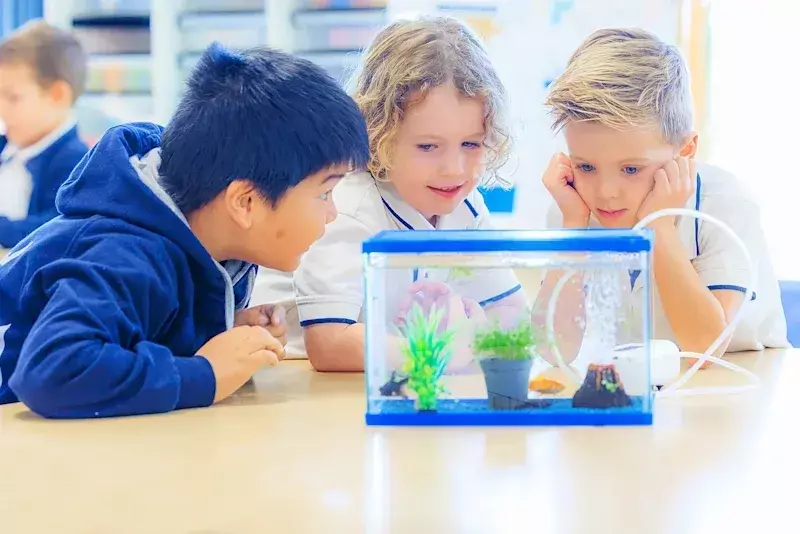
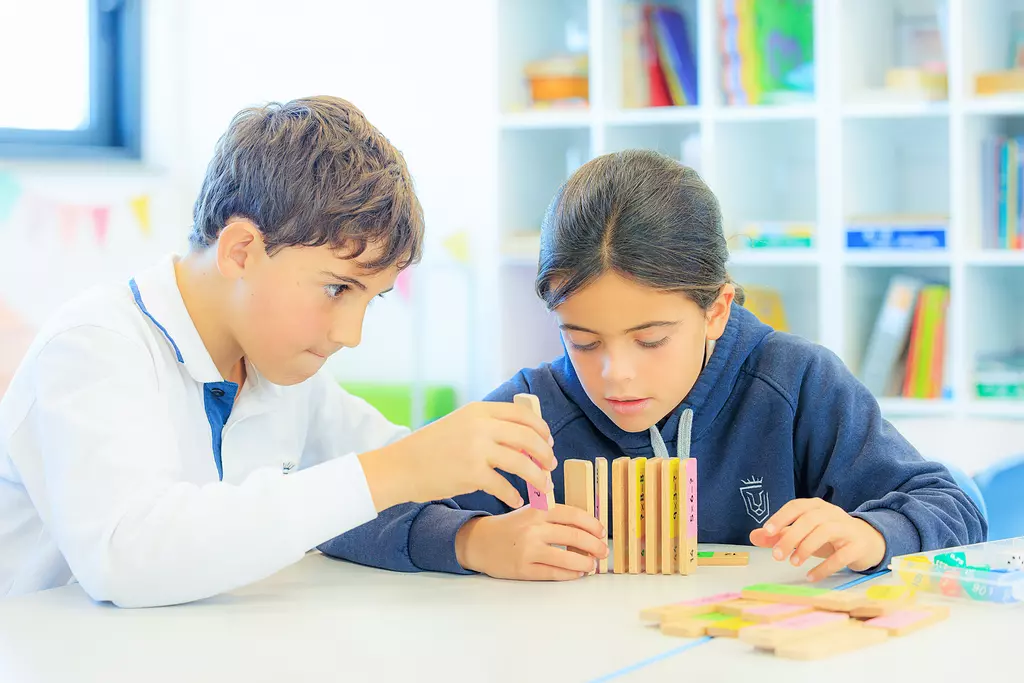
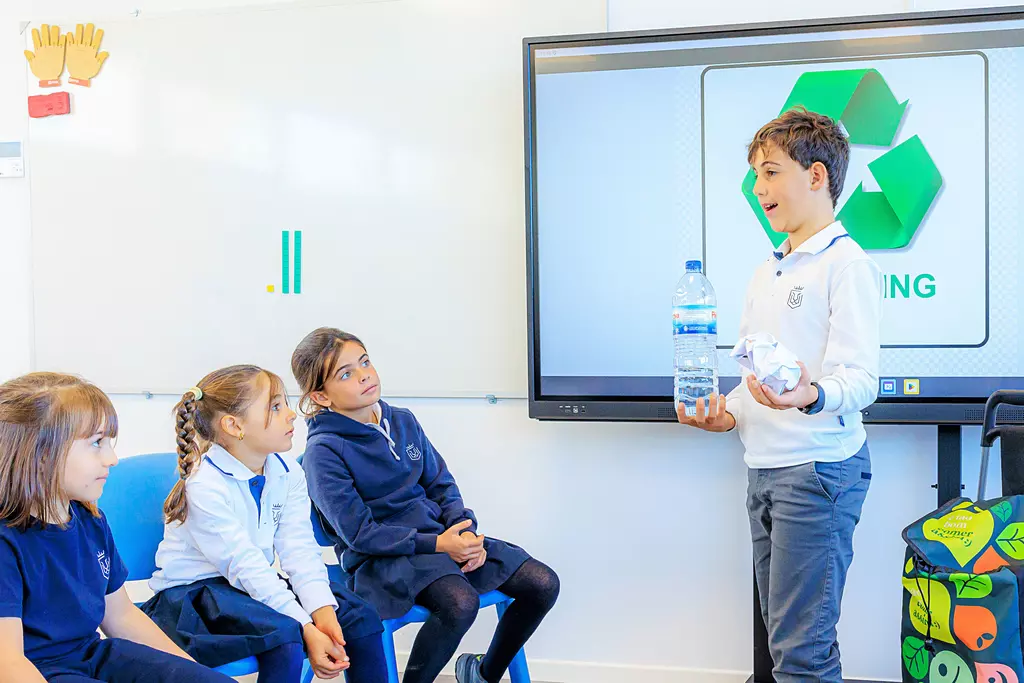
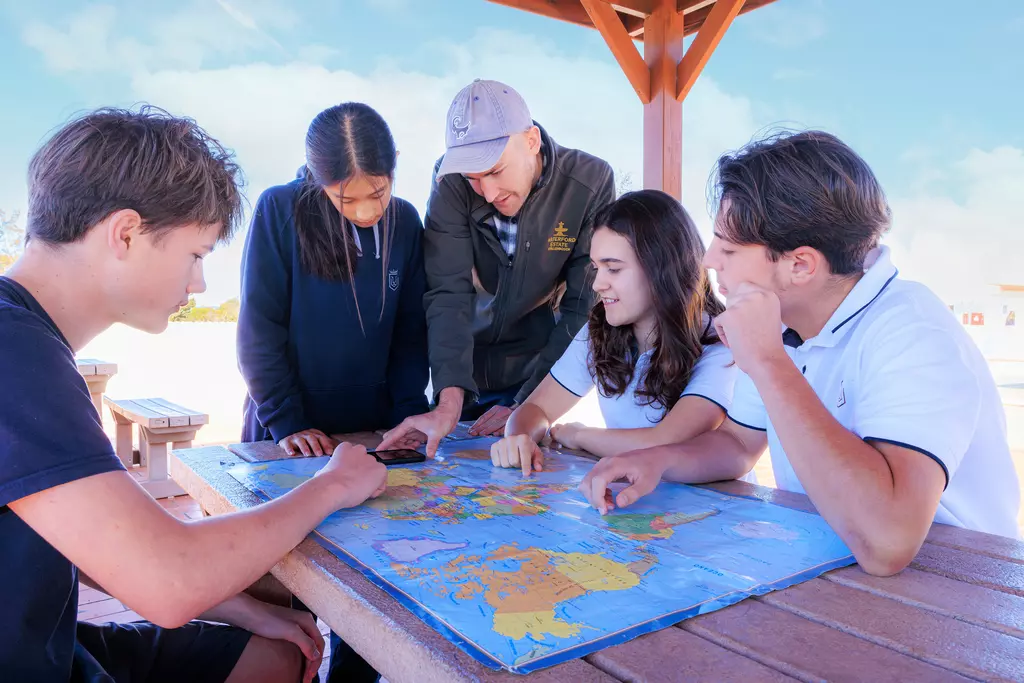
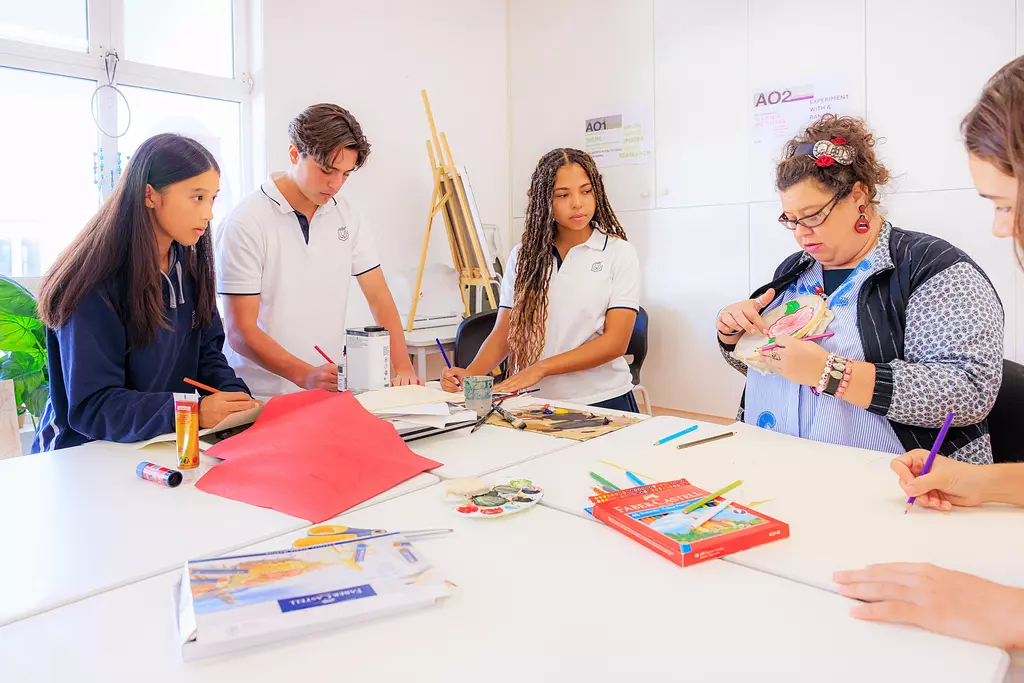
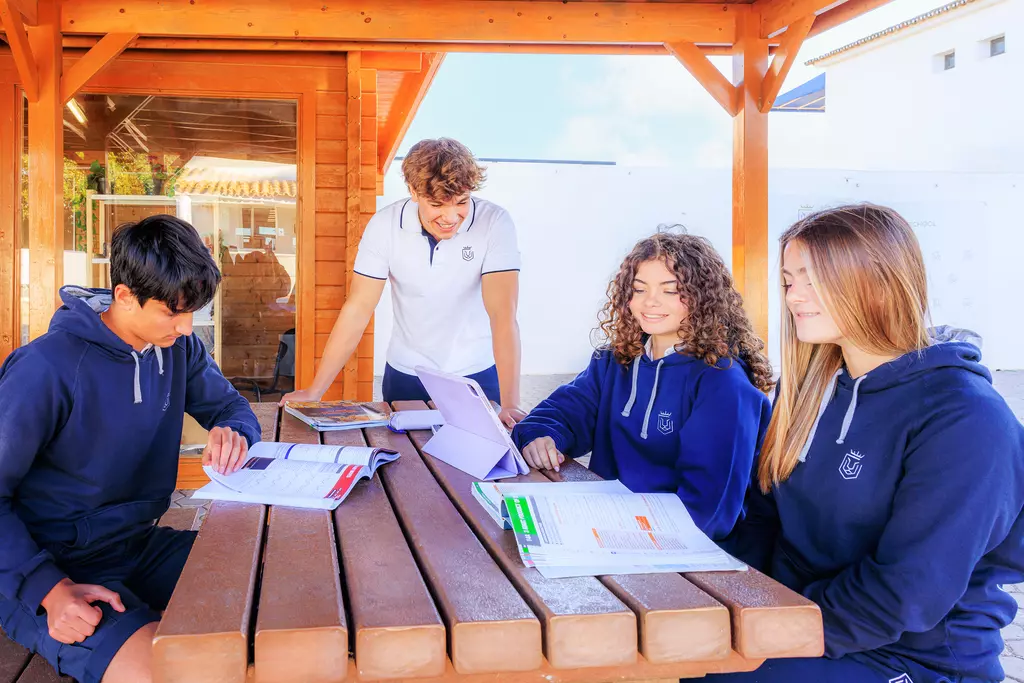
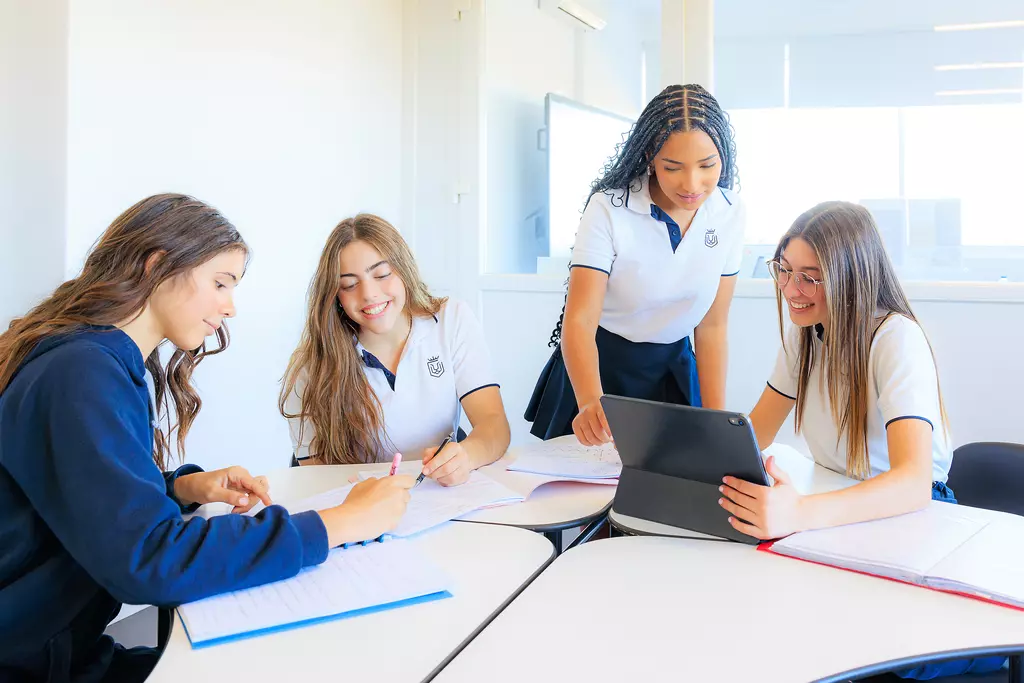
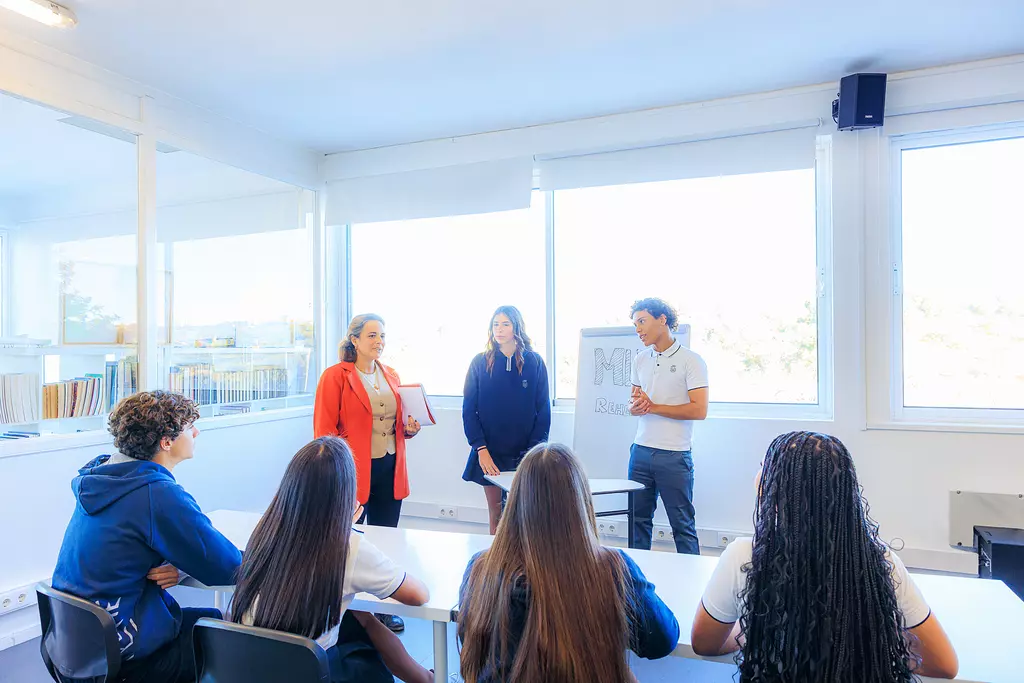
Nobel Algarve British International School Lagoa's mission is to bring together a diverse group of passionate students and to provide them with world-class international education enhanced by sports, languages, maths, science, the arts, natural exploration, collaborative learning, and global exchange. At our school, we provide an innovative and positive learning environment for students in all years. Our project-based learning approach engages students, addresses real-life challenges and cultivates critical-thinking, problem-solving and presentation skills. We maintain a truly international campus, where multiple languages can be heard every day and we welcome families from more than 50 countries.
|
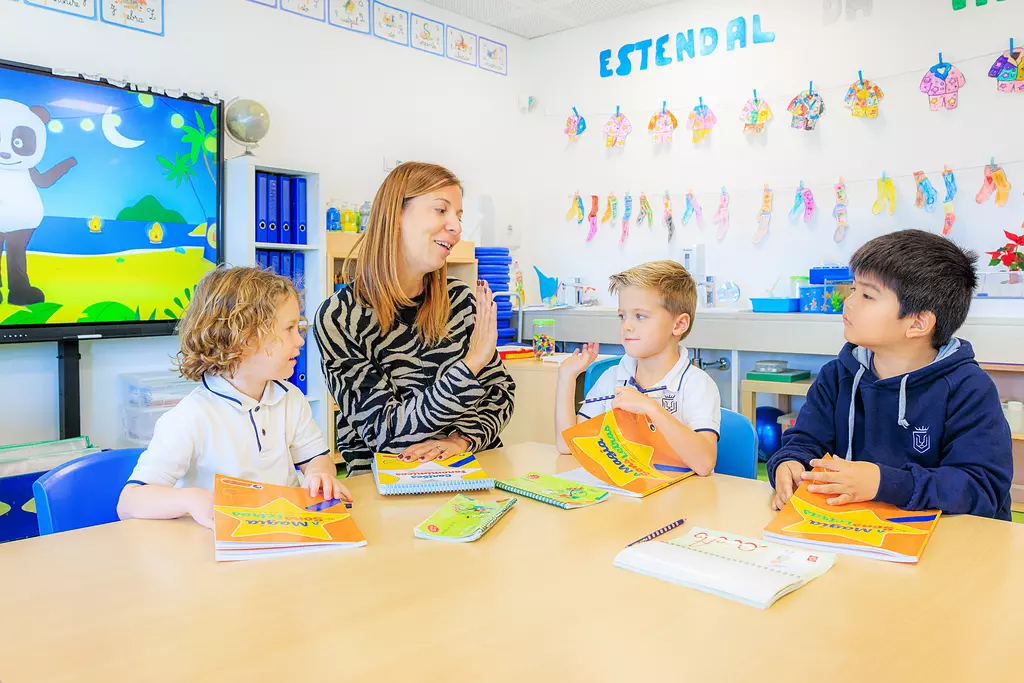
Bilingual Pre-School | Ages 3 to 4
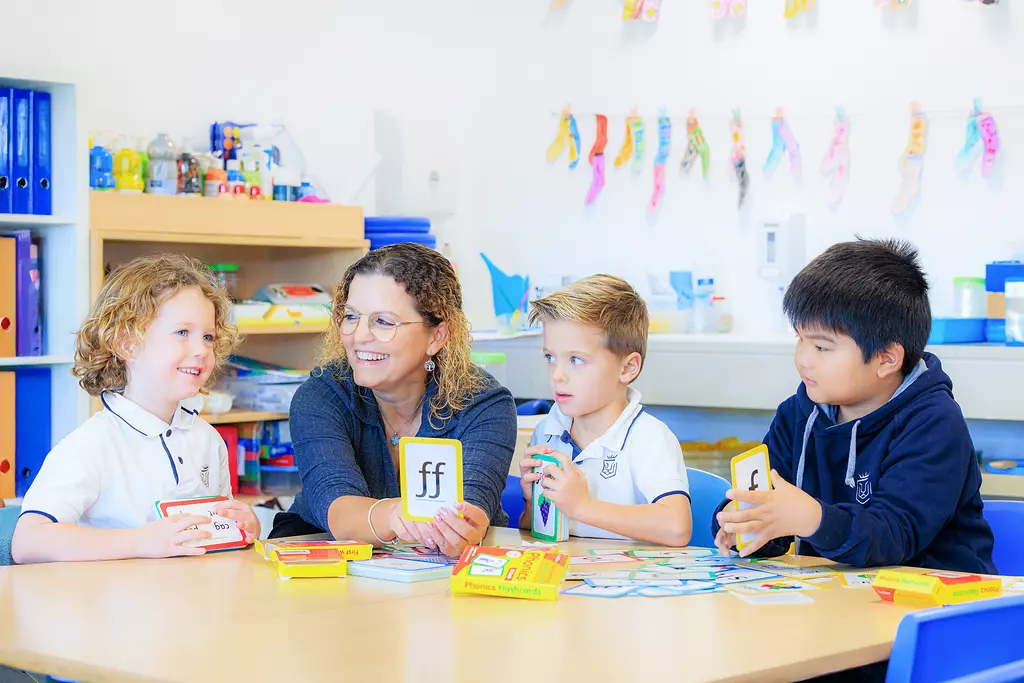
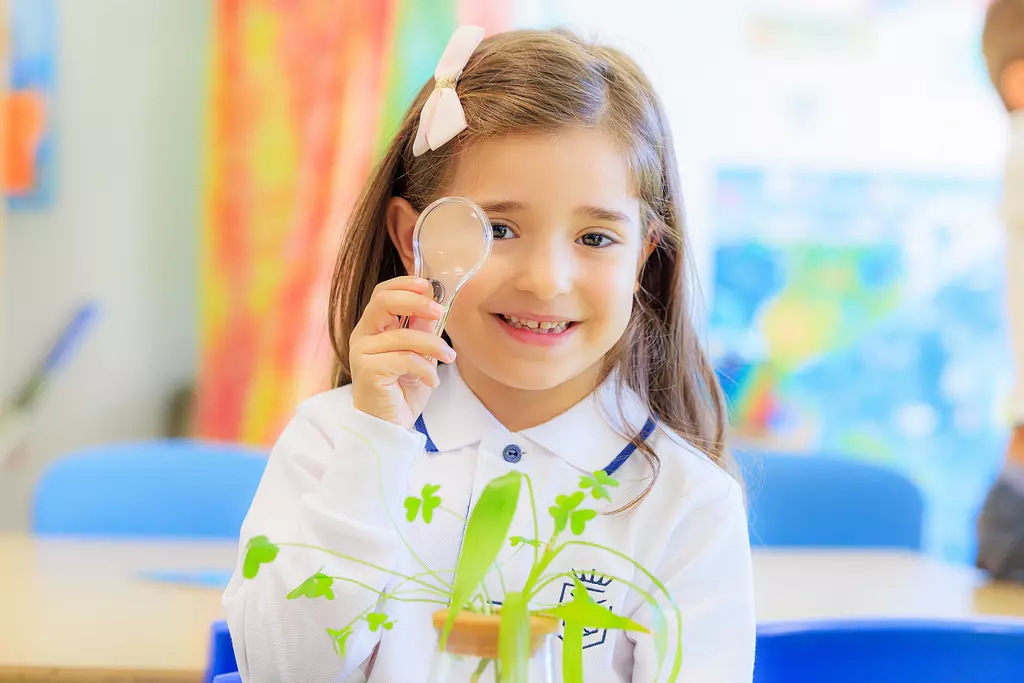
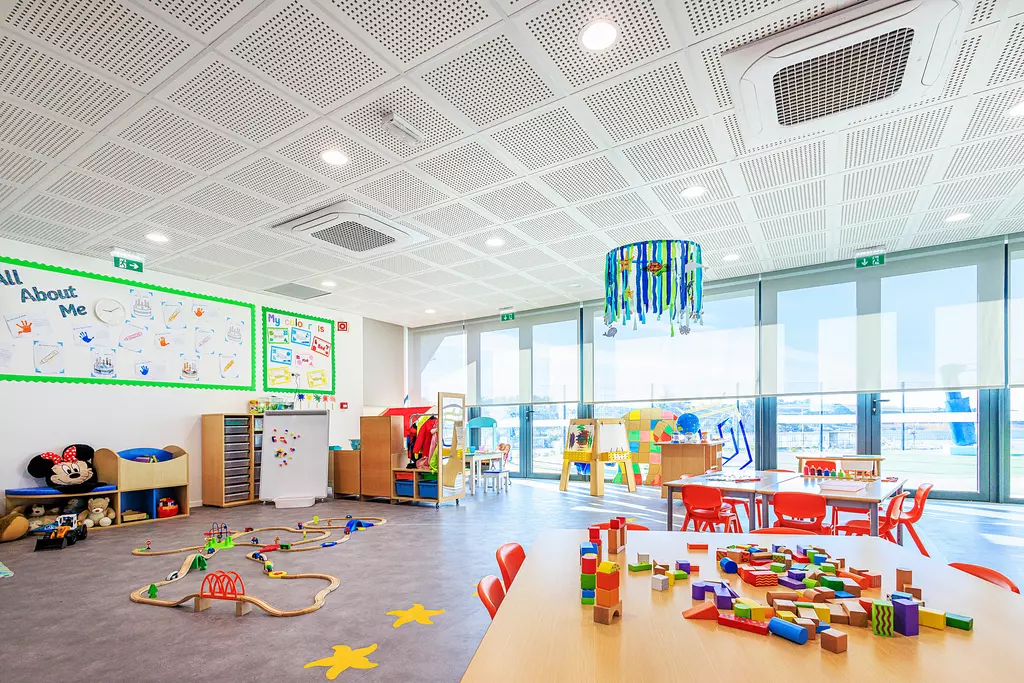
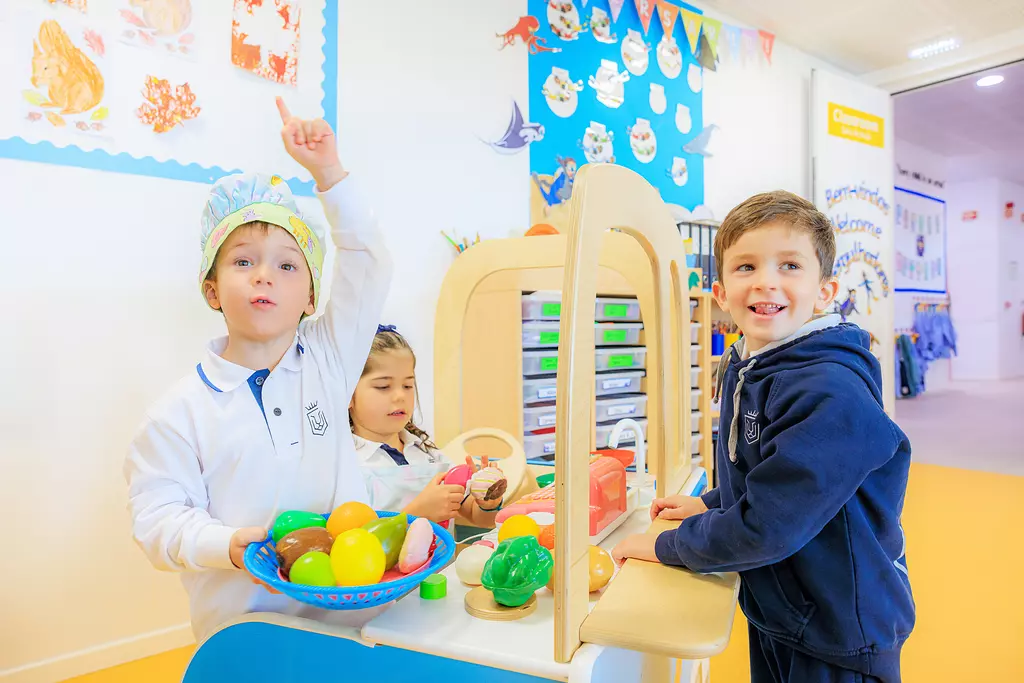
Our bespoke bilingual Pre-School follows a model based on the best of both the National Curriculum for England and the Portuguese National Curriculum, preparing students to progress into either the British international pathway or the Portuguese national pathway after their Pre-School years are completed.
Alongside developing skills in English, Portuguese and other key areas including mathematics, children have the opportunity to enjoy regular music classes, P.E., and begin to explore technology and how it can support their learning.
After completing the bilingual Pre-School, children can choose from two pathways:
• Continuing their education in English following the National Curriculum of England and eventually studying for IGCSEs, A-levels or BTEC programmes
• Continuing their education in Portuguese following the Portuguese National Curriculum
Primary School | Ages 5 to 11 (National Curriculum for England)
Primary School provides a safe and vibrant environment for children aged 5 to 11. We offer an inspiring education in a creative, warm, and holistic learning environment to enable children to reach their full potential.
Children are taught mainly by their own class teacher, all of whom are experienced in teaching the British curriculum. This learning is augmented through specialist teachers in areas like Physical Education, Computing and Music. All students are given close personal attention and challenged to achieve their full potential.
Secondary School - IGCSE | Ages 11 to 16 (National Curriculum for England)
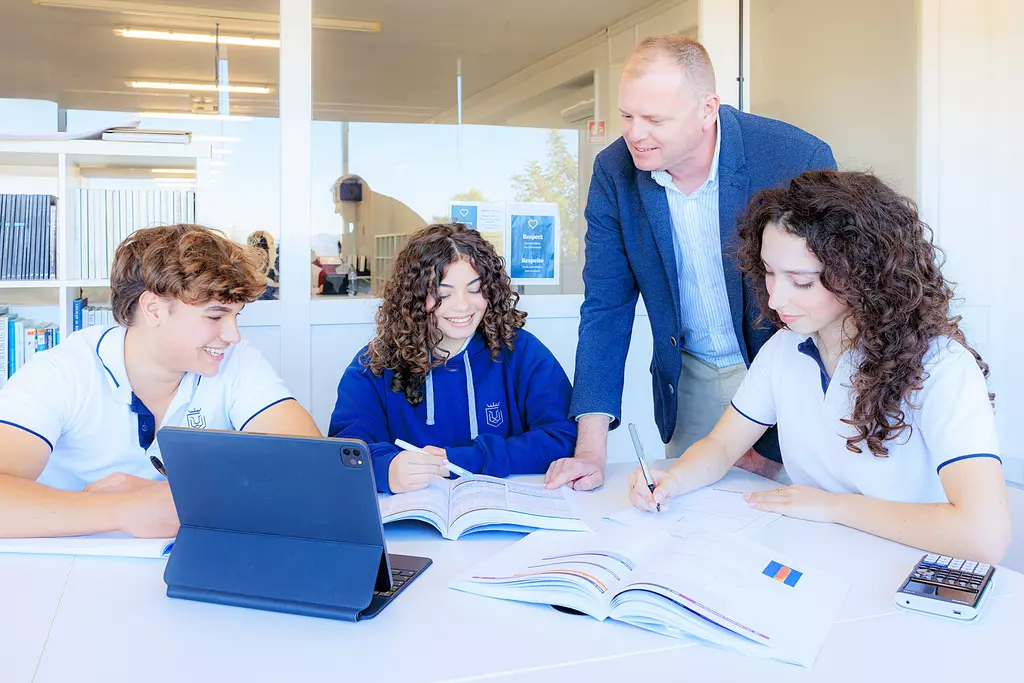
Our international Secondary School includes Middle School (Years 7-9) and Senior School (Years 10-13). Lessons are designed to impart knowledge while building character, a global mindset, a sense of responsibility, and skills for life. We have rigorous standards, and our exam results and onward destinations are a testament to the success of our approach.
In Years 10 and 11 we teach Key Stage 4 of the National Curriculum for England, culminating in the IGCSE exams. The International General Certificate of Secondary Education (IGCSE) is a widely respected qualification that marks the end of compulsory secondary education in the British system. It provides a solid academic foundation and equips students for future study, whether students go on to study for A-Levels or BTEC qualifications.
A-Levels & BTEC | Ages 16 to 18 (National Curriculum for England)
In the final two years, students move into Sixth Form, when students choose between the AS and A-Level programme, or BTEC Diploma Programmes.
A-Levels are subject-based qualifications during the final two years of secondary education, between the ages of 16 and 18. They are a key stepping stone to university, higher education, apprenticeships, or entering the workforce. A-Levels offer students the opportunity to specialize in subjects they enjoy and excel in, while developing the critical thinking, analytical, and independent study skills that are essential for academic and professional success. BTEC International Level 3 qualifications provide a high-quality vocational pathway, alognside traditional academic courses, offering students an alternative route that combines applied learning with strong academic expectations.
Portuguese National Curriculum | Ages 5 to 18
The Portuguese National Curriculum is structured into three levels: Pre-School education, Ensino Básico and Ensino Secundário. We accept children of any nationality into the Portuguese pathway at our school. The programme runs from Primary (1° Ano) to the completion of Secondary School (12° Ano). All educators are fully qualified and Portuguese-trained. Portuguese is the language of instruction.
• Ensino Básico (Basic Education) is designed to provide a broad, general education and is divided into three cycles (ages 6 to 15)
• In Ensino Secundário (10º, 11º and 12º anos), students continue with the core curriculum and add a specialised area of study (Science & Technology, Social & Economic Sciences, Visual Arts or Languages & Humanities). In 12° ano, students take the Portuguese national examinations, which are required for entrance into university
Our Campus
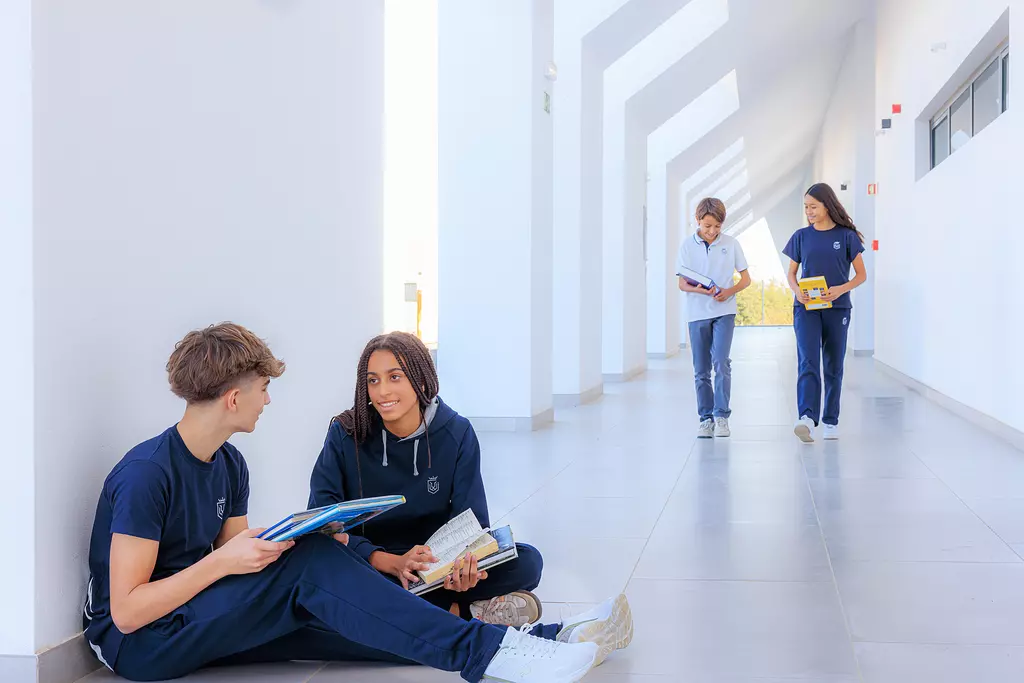
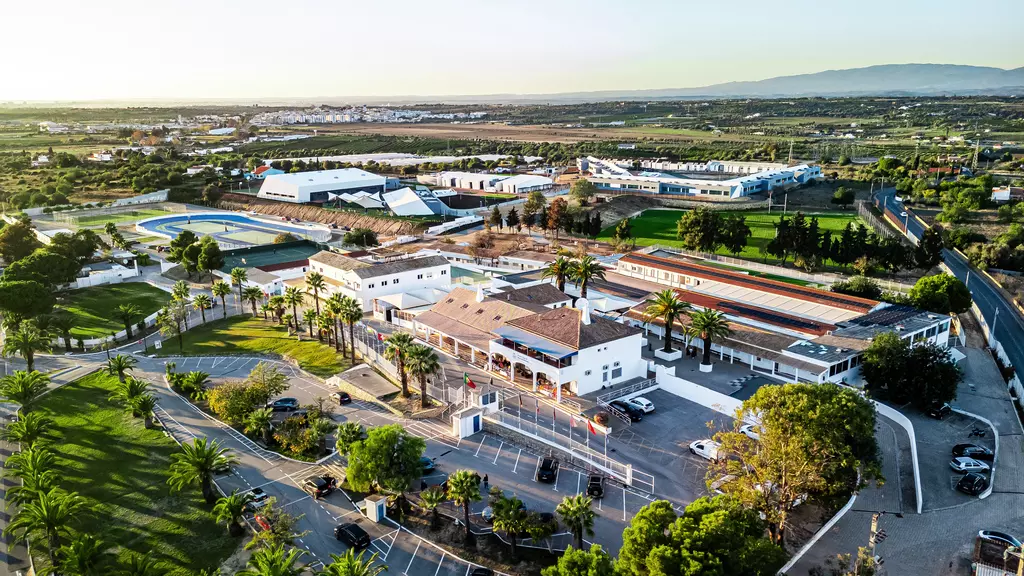
Our campus is nestled within extensive grounds in an idyllic countryside setting with easy access to the Algarve’s main towns and Faro airport. From humble beginnings to a thriving international school, our school has grown considerably over the past 50 years.
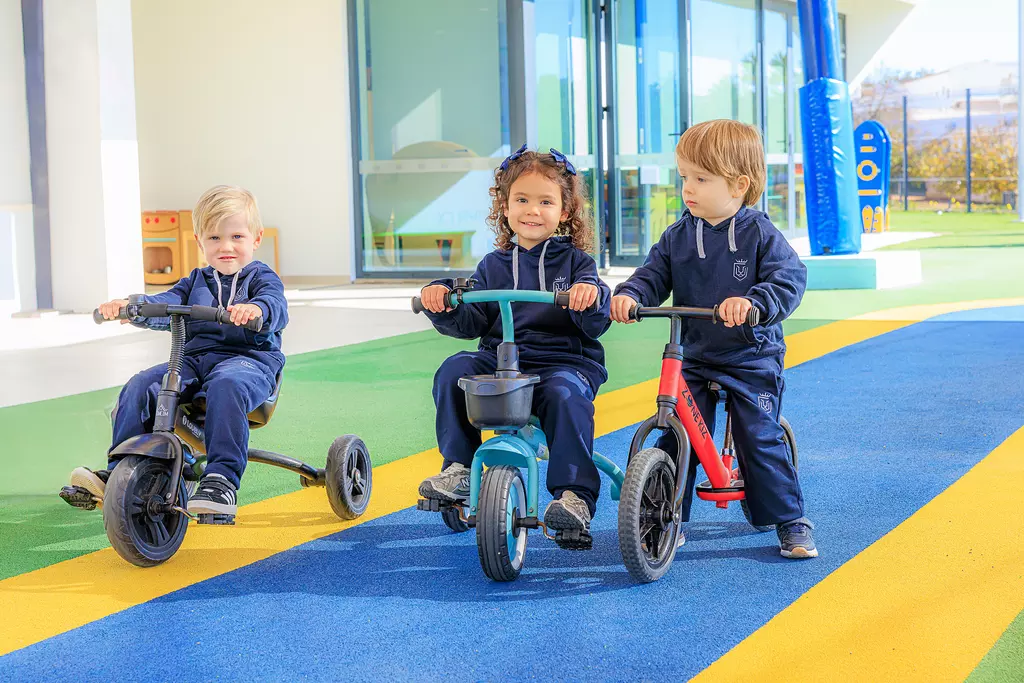
The introduction of new state-of-the-art facilities marks a significant leap forward, propelling us to unparalleled heights in the Algarve, with state-of-the-art classrooms, including science laboratories and music rooms, a bespoke pre-school with indoor and outdoor space for children to explore, and a brand-new canteen. With more sports courts and a new multi-purpose gymnasium/performance space also on site, our students enjoy a well-rounded education in a vibrant and supportive environment.
Check out the facilities in this interactive virtual tour.