
When visiting a school, parents naturally ask about academic results, teaching, facilities and extracurricular opportunities. One question that can be equally revealing, but is sometimes overlooked, is how much say students have in the community they belong to.
Many schools have student councils, prefects or leadership teams. These can provide valuable opportunities to develop confidence and responsibility. But meaningful student voice goes further than holding a title or organising school events.
It means giving young people opportunities to express their views, contribute to decisions and understand how their input can make a difference.
From Participation to Influence
In Dubai, the Knowledge and Human Development Authority (KHDA) is extending this principle beyond individual schools.
Through its Education 33 (E33) Strategy, KHDA has established councils bringing together students, parents and educators to contribute their perspectives to the development of education across the emirate.
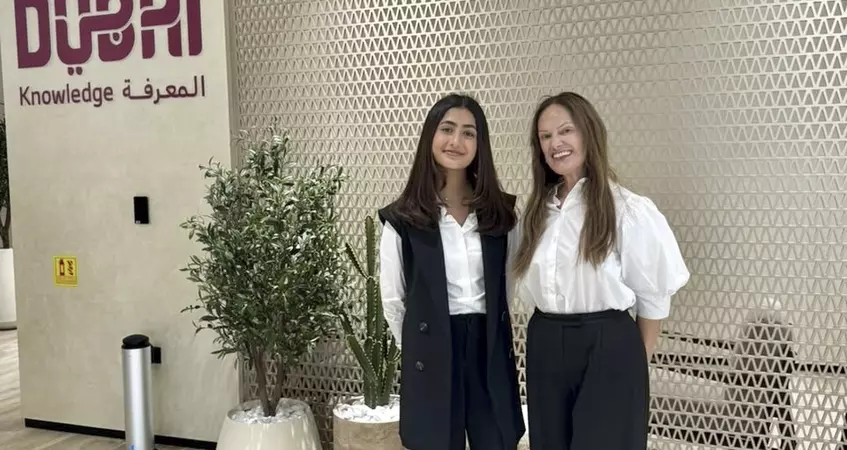
Year 12 student Imani, from Arbor School in Al Furjan, has recently been selected for the second cohort of the Dubai Students Council.
Her appointment gives her an opportunity to work alongside young people from other schools and share student perspectives in conversations about Dubai's educational future.
For families, initiatives like this highlight a wider question: are young people simply participating in school life, or are they being encouraged to help shape it?
What Should Parents Look For?
A useful starting point is to ask schools how students can raise ideas or concerns, and what happens afterwards.
Are there regular opportunities for students to speak with school leaders? Can they give feedback on their learning experience? Are they involved in projects or decisions that affect their community?
It is also worth asking how opportunities are made accessible to different students. Not every child wants to give a speech or stand for election. Some may contribute more confidently through smaller discussion groups, collaborative projects or everyday conversations with teachers.
The most meaningful approaches recognise that student voice should not be limited to the most outspoken pupils.
Learning to Listen Works Both Ways
Student participation is not simply about giving children greater responsibility. It also asks adults to listen carefully, explain decisions and demonstrate that contributions are taken seriously.
This is particularly valuable in international school communities, where students bring different cultural backgrounds, educational experiences and perspectives.
Arbor School Principal Gemma Thornley has also recently been appointed to KHDA's inaugural Dubai Educators Council, one of 15 educators selected from 160 nominations.
Together, the appointments demonstrate how both student and educator perspectives can contribute to conversations about improving education.
For parents choosing a school, the important question is not necessarily whether it has a student council. It is whether children are listened to, whether their ideas are taken seriously, and whether they have opportunities to contribute in ways that feel meaningful to them.
Those experiences can be just as valuable as the leadership title itself.


