
Why play-based learning builds strong foundations for life
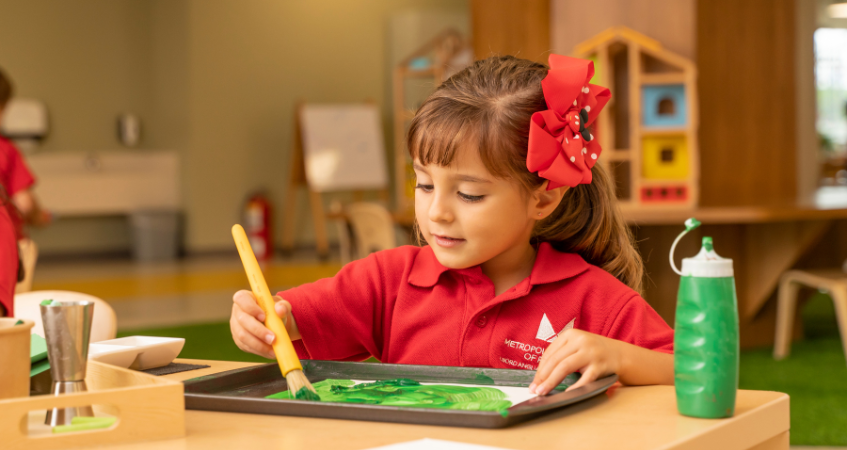
In a world where academic milestones often take center stage, it can be easy to overlook the quiet, powerful work happening in a room full of children building with blocks, role-playing in a costume corner, or mixing colors with their fingers. But in these moments of joyful discovery, something extraordinary is happening: children are learning. Not just facts or numbers, but how to be curious, how to relate to others, how to manage emotions, and how to solve problems.
This is the heart of play-based learning in the early years, and it matters more than ever.
What is play-based learning?
Play-based learning is an approach where play is not separate from education, it is the method of education. Whether structured or unstructured, guided or spontaneous, play becomes the vehicle through which children explore the world, build social connections, and make sense of abstract concepts.
Rather than memorizing information or sitting still for extended periods, young learners engage in activities that are meaningful to them: building, pretending, drawing, singing, experimenting, and asking questions. These are not distractions from learning—they are learning.
The science behind the play
Research in developmental psychology and neuroscience has consistently shown that the early years are a critical period for brain development. During this time, 90% of a child’s brain is formed, and experiences during this window shape emotional regulation, language development, executive functioning, and creativity.
Play-based learning taps directly into how young children learn best, through doing, sensing, moving, and engaging emotionally. It provides rich sensory input, opportunities to practice self-regulation, and a safe space to try, fail, and try again. In short, it lays the groundwork for lifelong cognitive, emotional, and social competence.
Core skills children gain through play
Through different forms of play—whether pretend play, physical play, construction, or storytelling—children build foundational competencies, such as:
- Emotional Regulation: Taking turns, handling disappointment, calming themselves.
- Collaboration: Negotiating roles, sharing materials, solving problems together.
- Language and Communication: Creating narratives, asking questions, expanding vocabulary.
- Critical Thinking: Making predictions, testing outcomes, adjusting strategies.
- Confidence and Resilience: Trying new things, persisting when challenged, celebrating success.
These are the very skills that underpin not only academic readiness but also long-term success in relationships, work, and life.
Play-based ≠ Lack of structure
One common misconception is that play-based learning is chaotic or lacks purpose. In fact, high-quality play-based programs are intentional and thoughtfully designed. Educators carefully curate environments that invite exploration, scaffold learning, and extend curiosity.
The role of the adult is essential, not to direct the play, but to observe, ask open-ended questions, and introduce ideas or materials that deepen the experience. This balance of freedom and guidance allows children to lead their own learning journey while gaining critical support along the way.
Why it matters to parents
In an increasingly fast-paced and achievement-driven world, many parents feel pressured to prioritize early academic skills. But focusing exclusively on literacy or numeracy drills may come at the expense of the very abilities that children need to thrive.
Play-based learning offers reassurance: your child is learning deeply—while also enjoying childhood. It helps families see that skills like empathy, imagination, persistence, and joy are not secondary; they are central.
Final thoughts
Choosing an educational approach for your child’s early years is one of the most impactful decisions you’ll make. In play-based learning, you’re not just choosing a curriculum—you’re choosing a philosophy of development that honors the whole child.
When children are invited to explore, imagine, and create, they don’t just learn—they flourish.


