At Dwight School Seoul, we are proud to be the first IB Continuum school in Seoul and have become the leading IB school in Seoul. However, our true mission extends beyond accolades and achievements — our goal is to ignite the spark of genius inside every child who attends Dwight. The IB curriculum serves as the foundation for our learning environment, providing students with an inquiry-led programme that focuses on academic excellence and skill development. Critical thinking, communication and collaboration play a significant role in our curriculum. We believe that this approach encourages our students to take risks, develop a growth mindset and respect all those who are learning alongside them. We are proud that our students develop not only academically but also personally.
We have organised the information available for this school into 10 sections and 42 questions. Click or tap on the name of each section to read more.
|
Number of students
|
620
|
|
Number of nationalities represented in the school
|
52
|
|
Most common nationality
|
American, Canadian, Korean
|
|
Ratio of local students to international students
|
In Korea, the legal ratio of students at international schools is 30% Korean nationals and 70% international students.
|
|
Native English speaking teachers
|
Yes.
|
|
Language support for students not fluent in English
|
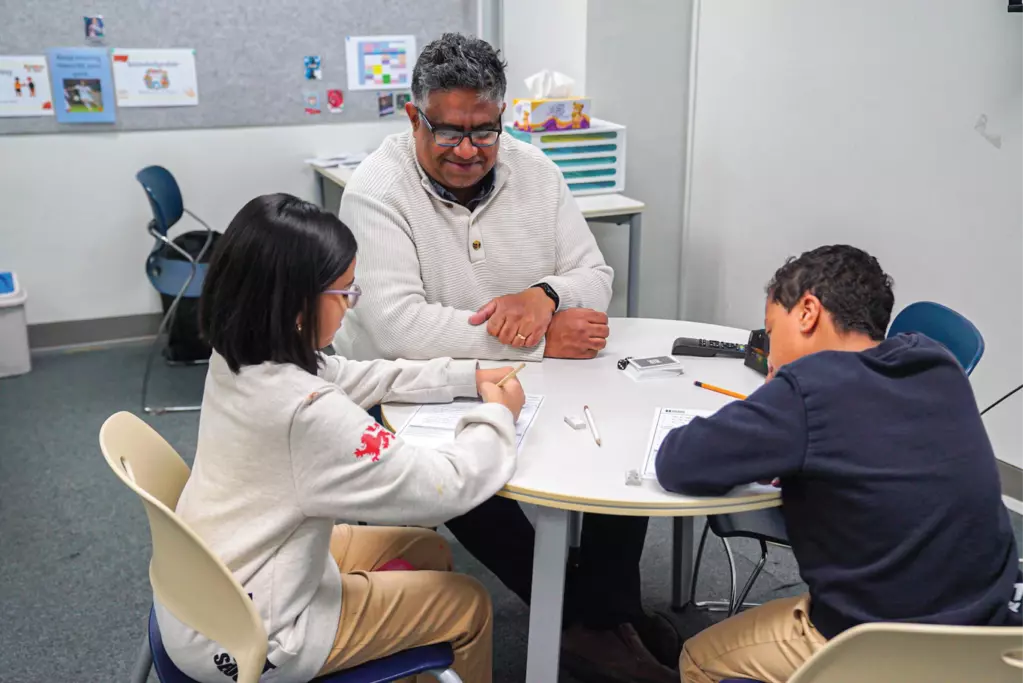
Yes, we have a dedicated Quest Department that provides learning support for students with additional educational needs, including assistance for students with limited English proficiency. The department offers targeted language support and individualized interventions to help students access the curriculum and succeed academically.
|
|
Additional language classes offered by the school
|
We offer language acquisition in Korean, Spanish, German, and Chinese (Mandarin).
|
|
Max. number of students per class
|
23
|
|
Average number of students per class
|
19
|
|
Does the school employ teaching assistants?
|
Yes.
|
|
Use of technology in the classroom
|
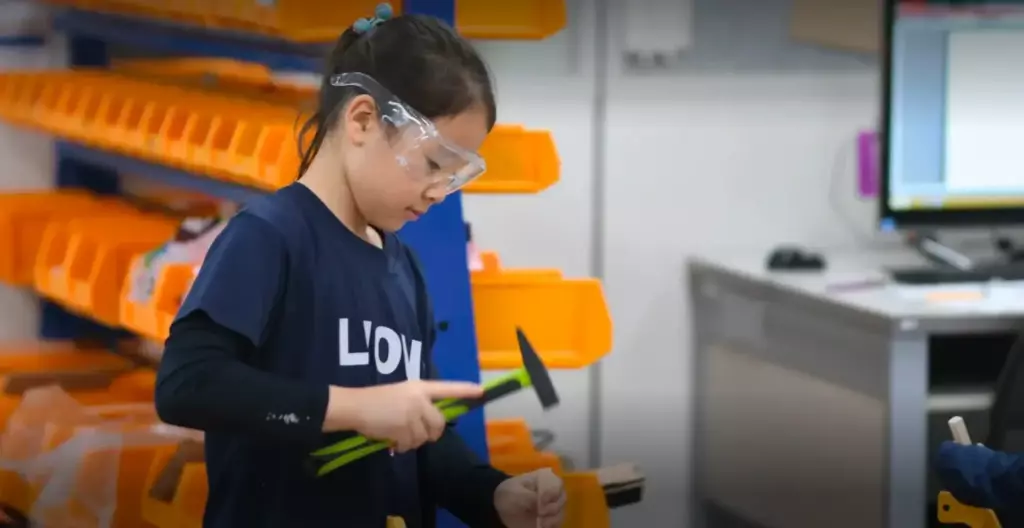
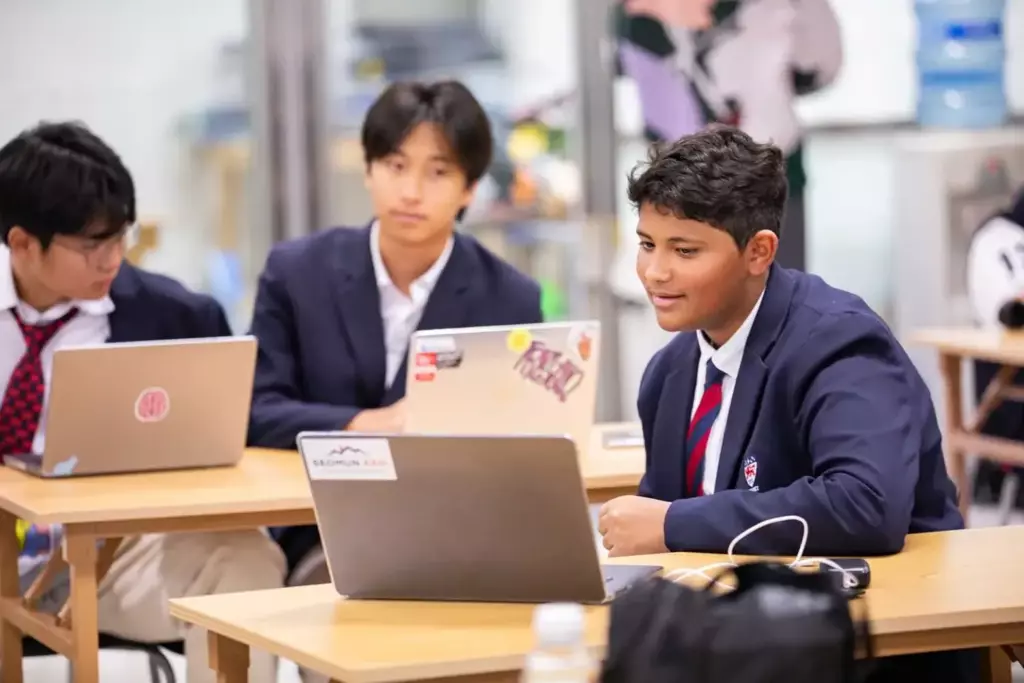
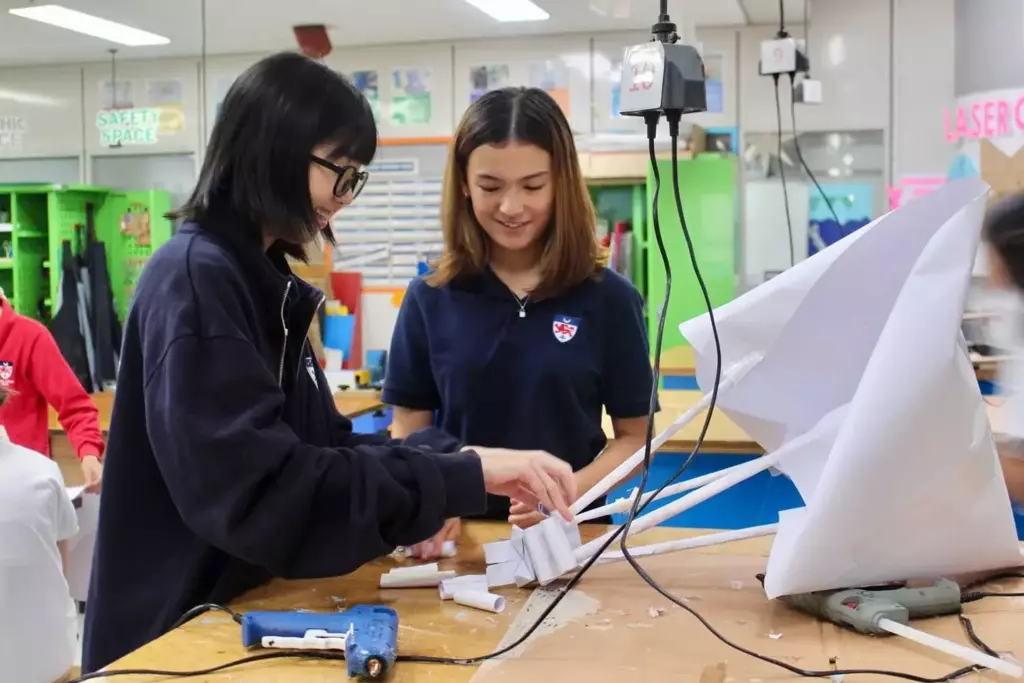
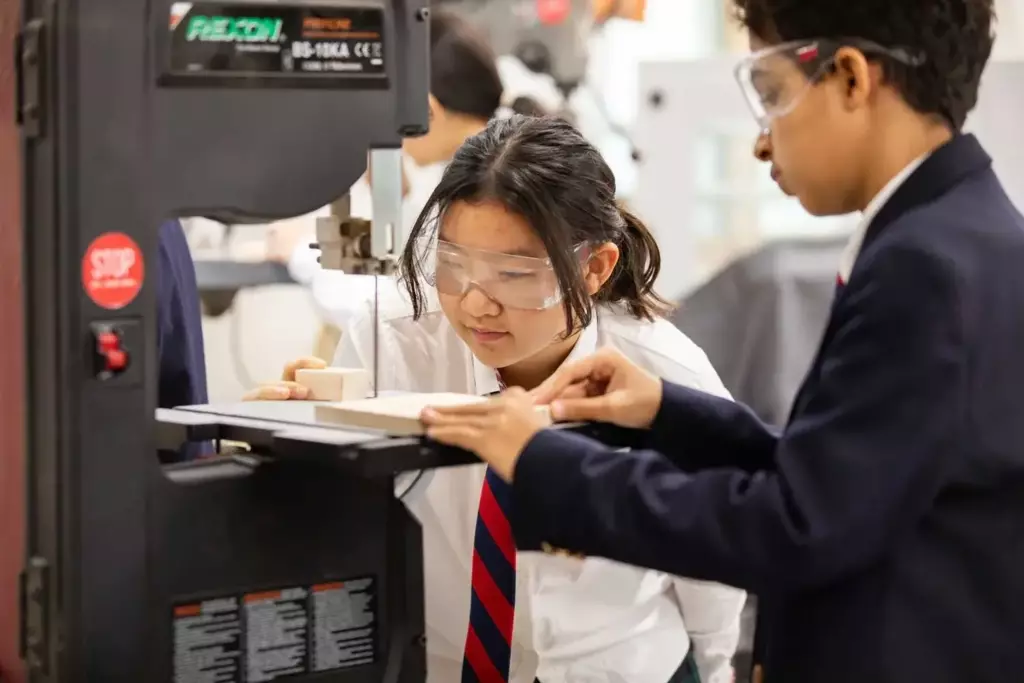
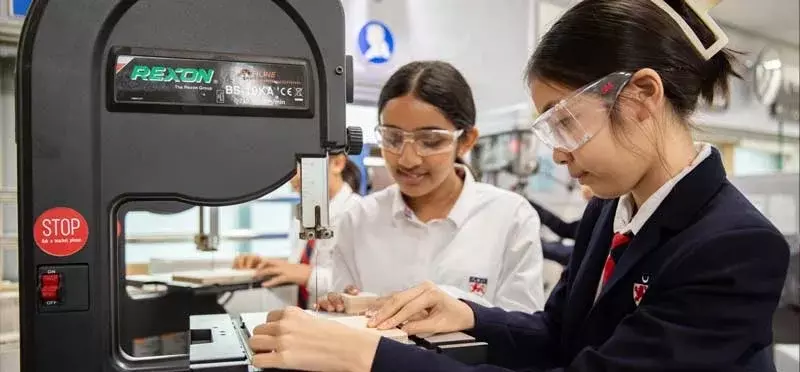
Every classroom is equipped with smart projectors to support interactive learning. Beginning in Grade 4, all students are required to bring a laptop to school. From our Early Childhood Division onwards, students regularly engage in computer- and iPad-based learning, as well as hands-on technology projects in our MakerSpace and Design Lab, fostering creativity, innovation, and digital literacy across all grade levels.
|
|
Is the school ready to use virtual classrooms when needed? (e.g. teaching lessons online during emergencies)
|
We can if needed—although we hope it won't be necessary!
|
|
Do students practice religion at the school? What religion?
|
We do have a multi-faith room available for any student who wishes to use it for prayer, reflection, or quiet contemplation.
|
|
How does the school accommodate non-religious students or students of a different religion?
|
Our school welcomes students from all backgrounds. We believe every child has unique potential, and our mission is to ignite the spark of genius in every student by providing an inclusive, supportive, and personalized learning environment where they can thrive.
|
|
External examinations or assessments available
|
Student progress is assessed through a combination of internationally recognized assessments and the International Baccalaureate (IB) framework. Students in Grades 3–9 complete MAP Growth assessments, Grade 10 students undertake the IB Middle Years Programme (MYP) eAssessments, and students in Grades 11–12 complete the IB Diploma Programme (DP) assessments.
|
|
Results in these examinations
|
Our IB Diploma Programme (DP) students consistently perform above the global average. Most recently, Dwight School Seoul's final IB Diploma results were 15% higher than the worldwide IB DP average, reflecting our commitment to academic excellence and personalized learning.
|
|
Do teachers assign homework to their students?
|
Yes. Both homework and project based assessments.
|
|
Approximate hours of homework given
|
Homework expectations vary by grade level and are always age-appropriate. Assignments are carefully coordinated across subjects to ensure a balanced workload, allowing students to reinforce their learning while maintaining a healthy balance between academic, extracurricular, and personal commitments.
|
|
Percentage of students who pursue further education post-graduation
|
99.9%
|
|
Dedicated staff/programs for students with special learning needs
|
Yes.
|
|
Learning support offered
|
We have a well-staffed Quest Department dedicated to supporting students with a wide range of learning needs. The team provides individualized assistance for students requiring additional support in areas such as English as an Additional Language (EAL), Speech and Language, and other learning needs. Through personalized interventions and close collaboration with teachers and families, the Quest Department helps every student reach their full potential.
|
|
The school supports gifted, able and talented students
|
We believe that every child has unique strengths and talents. Our goal is to help each student discover and develop their individual potential, providing the challenge, support, and opportunities they need to excel in the areas where they thrive. We encourage every student to strive for their personal best and to pursue excellence in their own unique way.
|
|
Student access to education psychologist
|
Yes, we have dedicated School Counsellors and a Student Life Coordinator who work closely with students to support their social, emotional, and overall well-being. Together, they provide guidance, pastoral care, and proactive support to help every student thrive both personally and academically.
|
|
Entry evaluation for students
|
Yes. Our admissions assessments are designed to help us better understand each child's current level of learning and identify how we can best support their academic and personal development if they enroll at Dwight School Seoul. These assessments are not pass/fail; rather, they provide valuable information that enables our faculty to create the most appropriate and supportive learning environment for each student.
|
|
Brief description of entry evaluation required
|
Students typically complete a MAP Growth assessment to evaluate their academic achievement and a WIDA assessment to measure their English language proficiency. These assessments help us understand each student's strengths and learning needs, enabling us to provide the most appropriate level of academic and language support.
|
|
Waiting list
|
Yes.
|
|
Deadline for registration (new academic year)
|
We offer rolling admissions and maintain rolling waitlists throughout the year. Applications are reviewed as they are received, and placement is offered based on seat availability and the student's readiness for our programme.
|
|
Students can join after academic year begins
|
Yes.
|
|
School start time
|
8:20AM.
|
|
School finish time
|
3:20PM.
|
|
Supervised care before/after school
|
From Tuesday through Thursday, students can participate in our after-school extracurricular programme, which offers a wide range of activities to suit diverse interests and talents. Students can choose from sports, arts, STEM, performing arts, leadership, and many other enrichment opportunities designed to support their personal growth beyond the classroom.
|
|
School bus service available
|
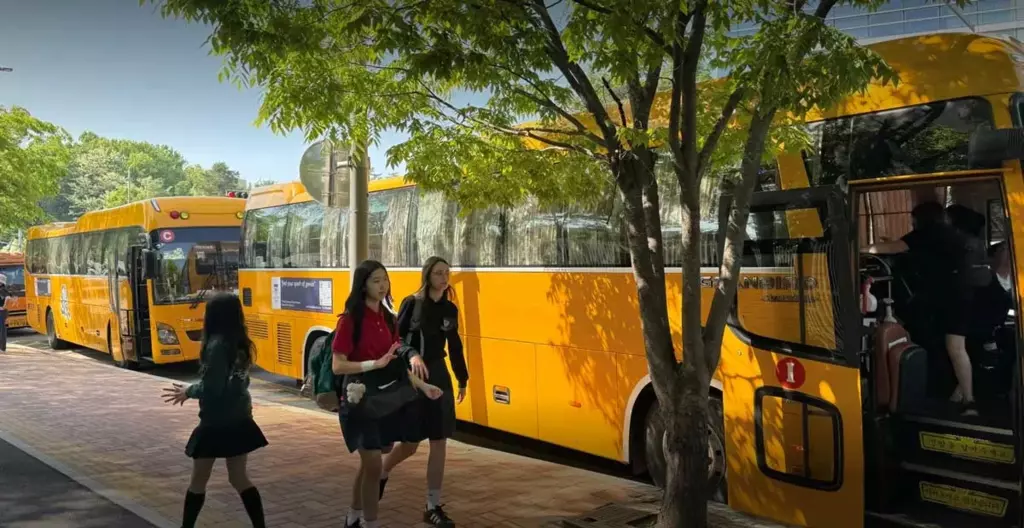
Yes, we offer a school bus service with routes covering most of the major residential areas across Seoul, providing a safe and convenient transportation option for our students.
|
|
School provided lunches
|
Yes. However, students also have the option to bring their own lunch and snacks from home, provided they comply with the school's food allergy guidelines and nutrition policies to help ensure a safe environment for all students.
|
|
Food alternatives for special dietary needs (ie. vegan, kosher, halal etc)
|
Yes, we have four different choices - Asian, Western, Halal and Vegetarian food on offer each day.
|
|
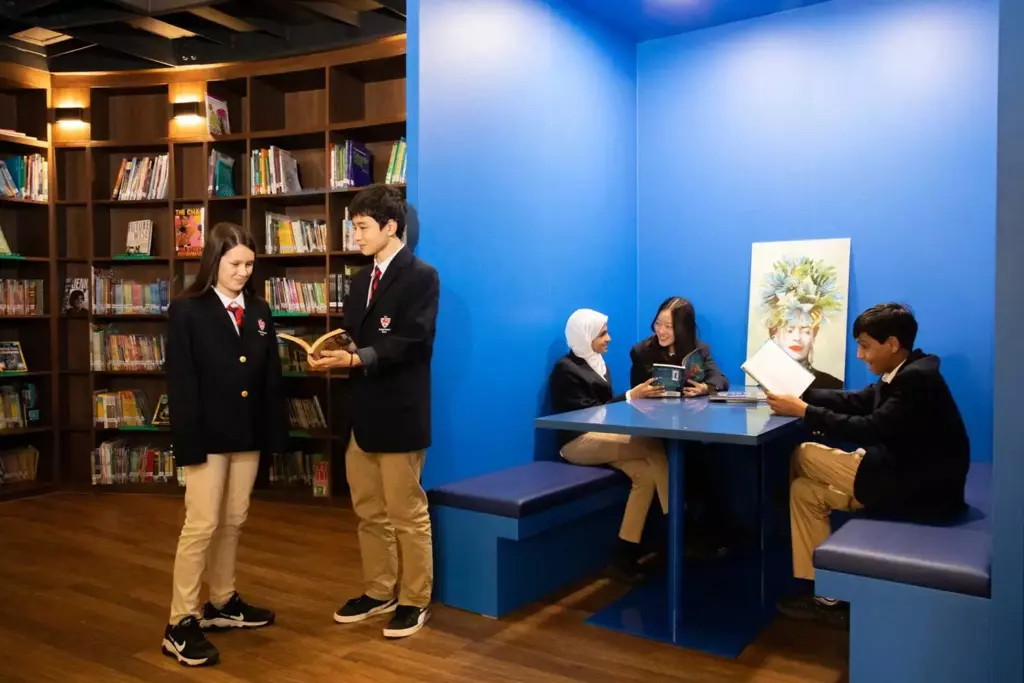
Uniform required
|
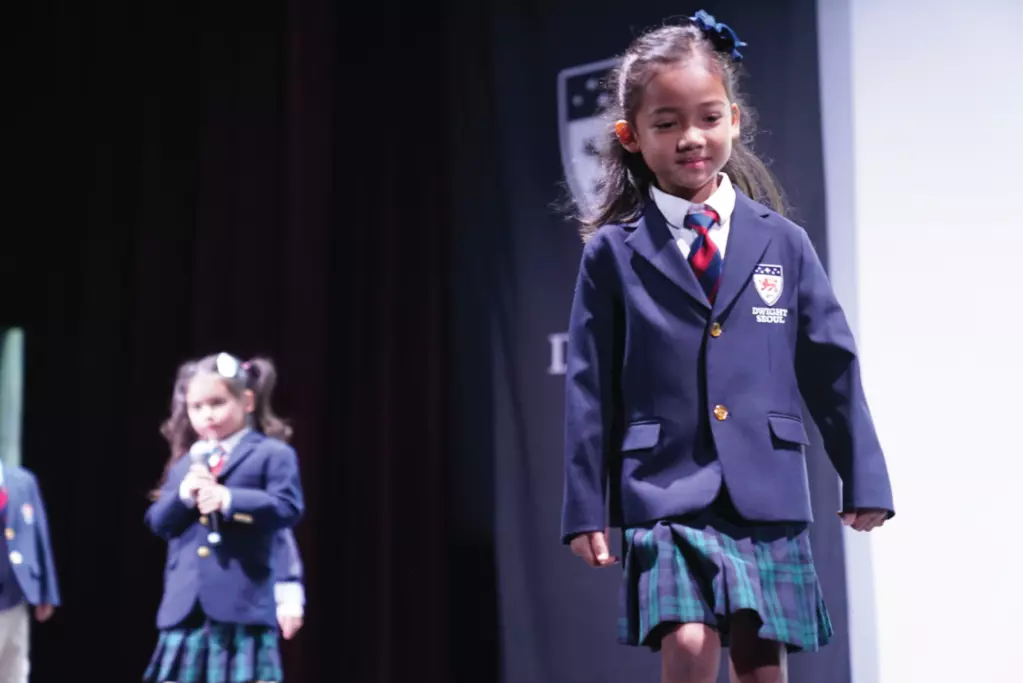
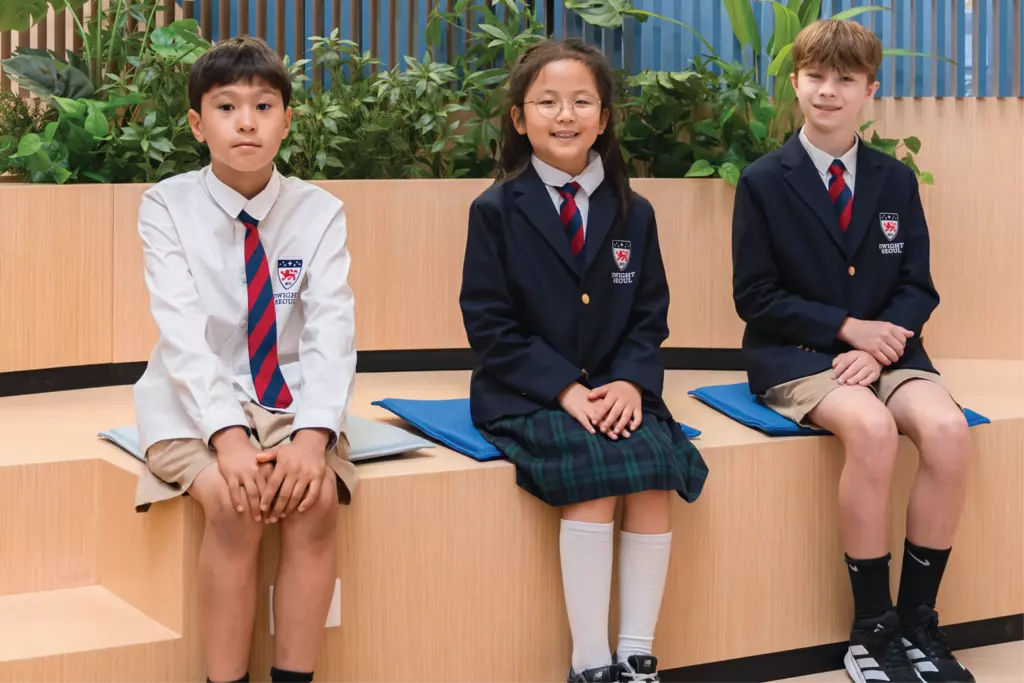
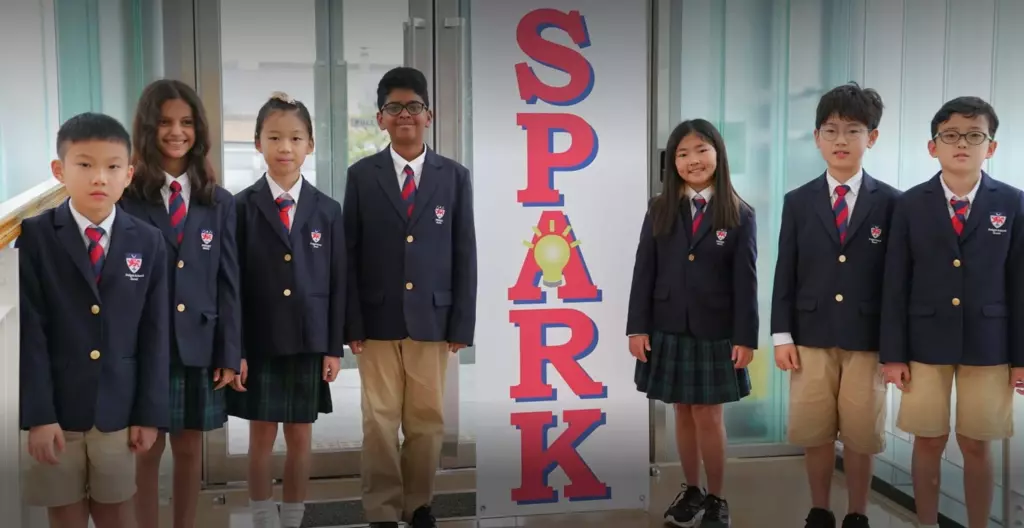
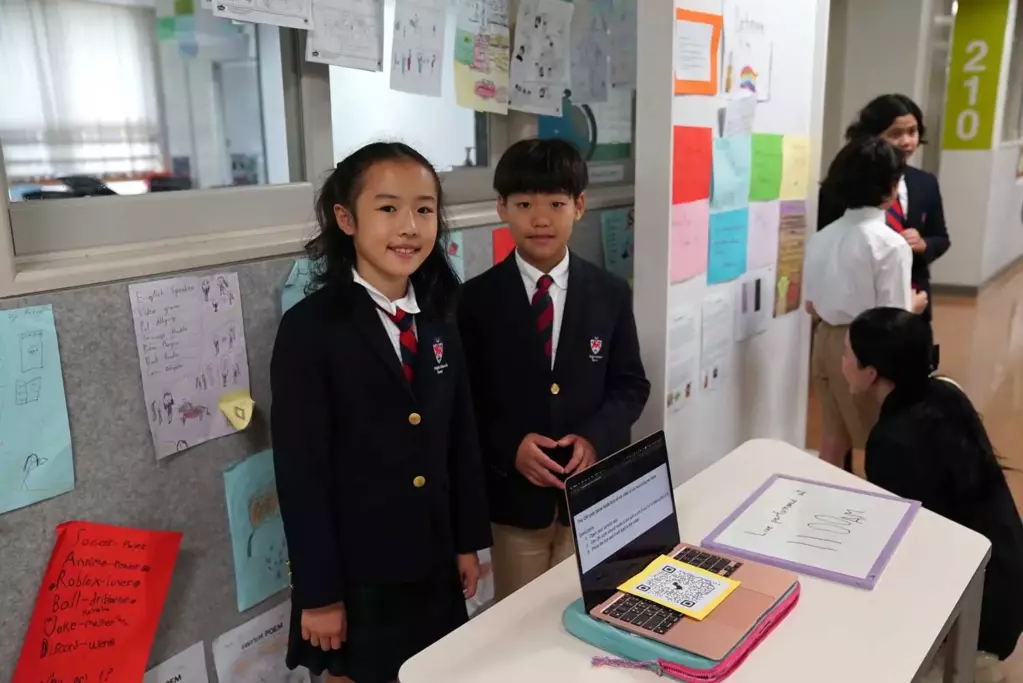
Yes. All students are required to wear the school uniform and are expected to adhere to the school's uniform policy at all times. The uniform helps foster a sense of community, belonging, and pride while maintaining a consistent and professional learning environment.
|
|
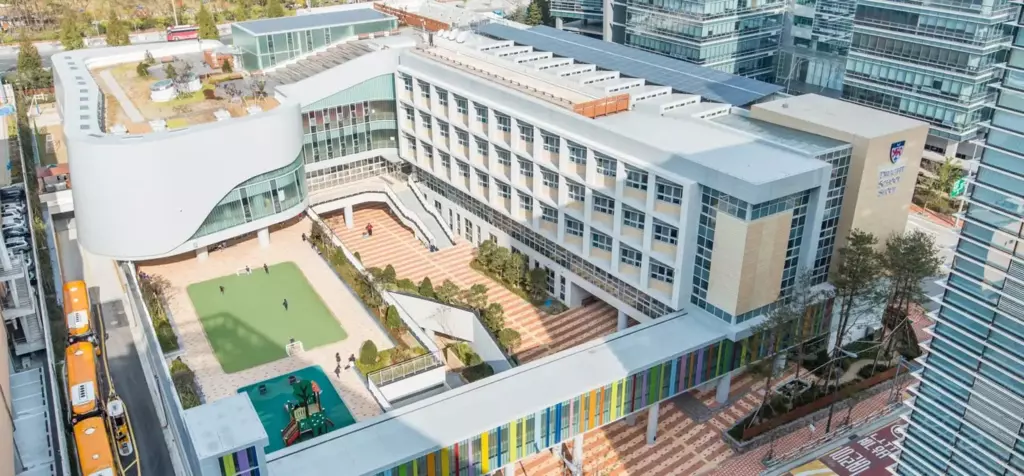
Facilities at the school
|
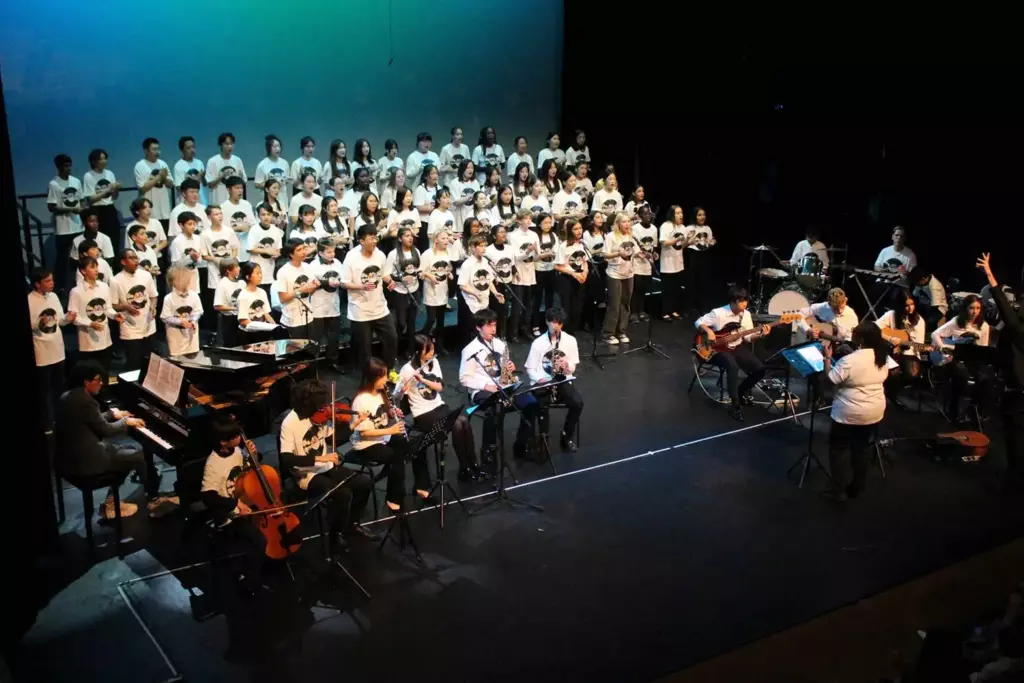
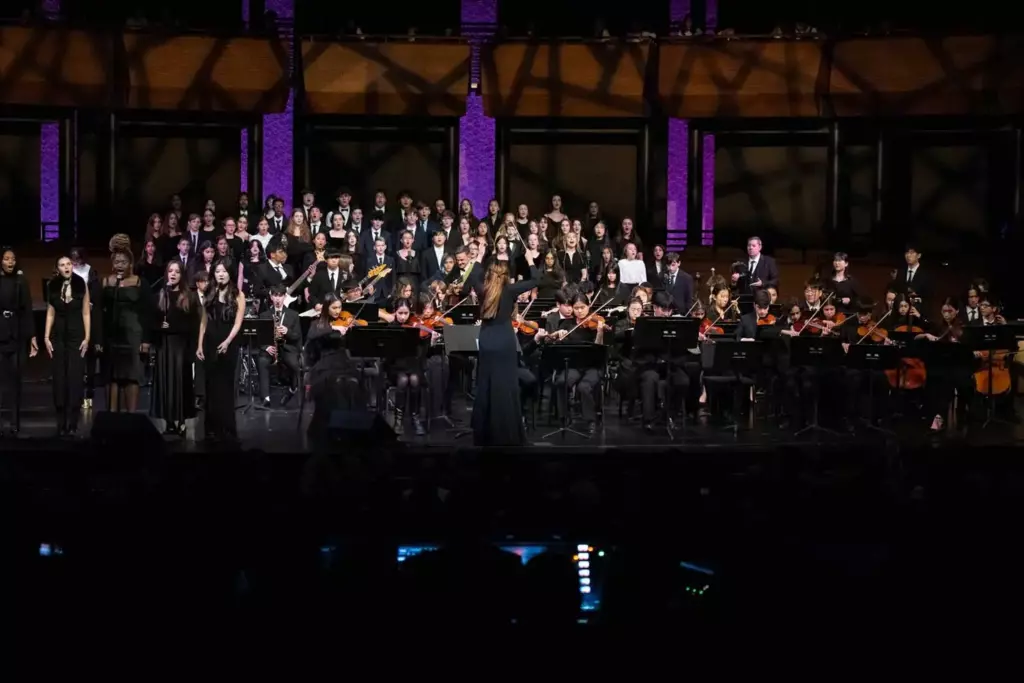
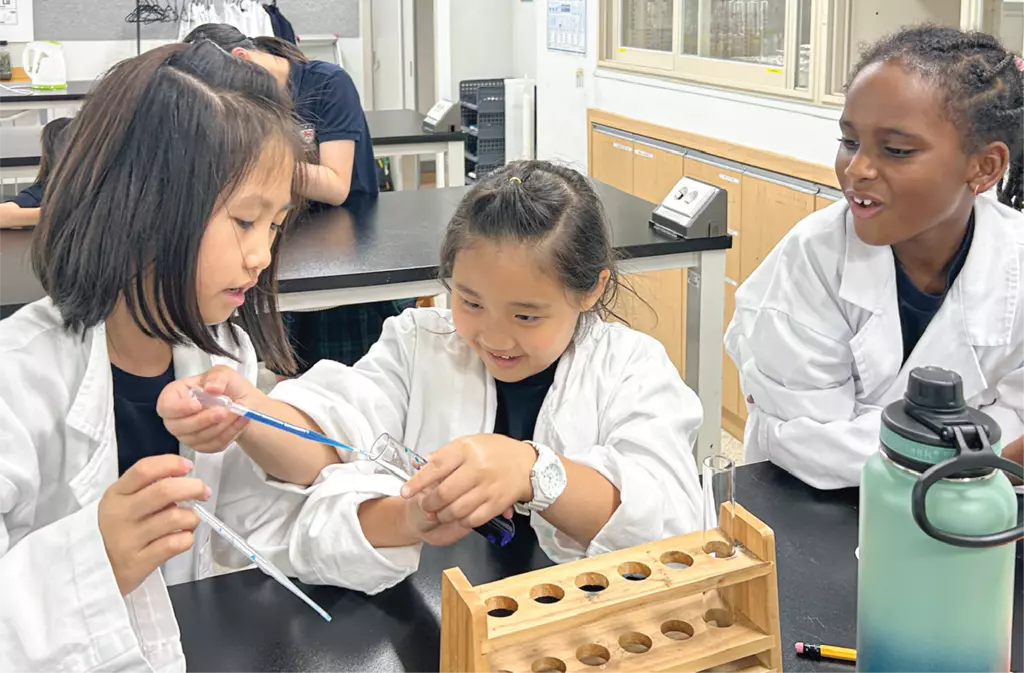
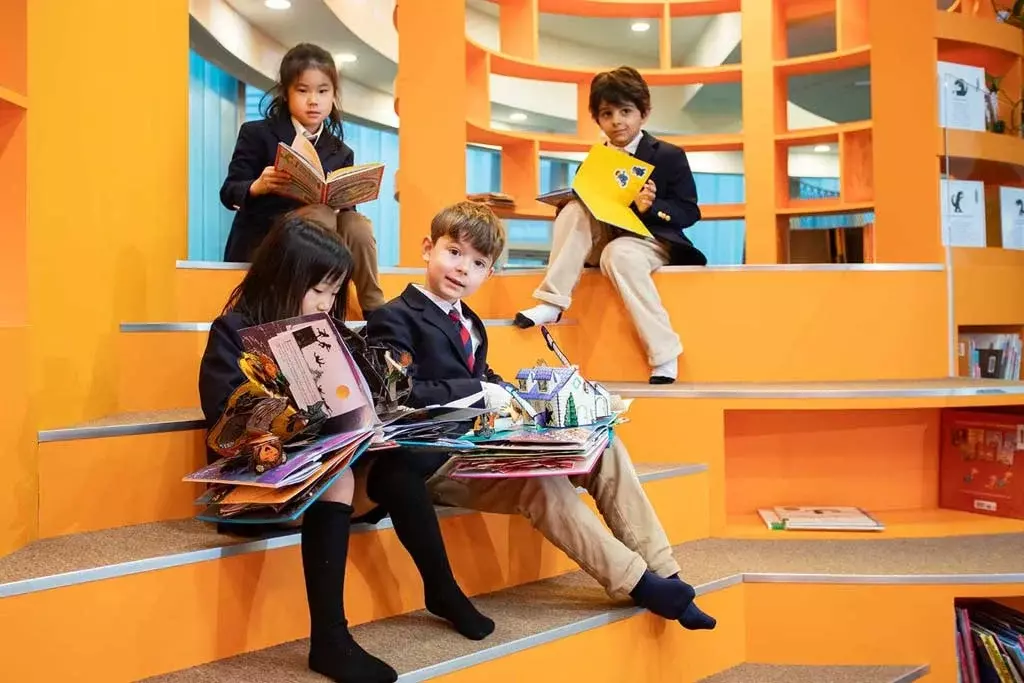
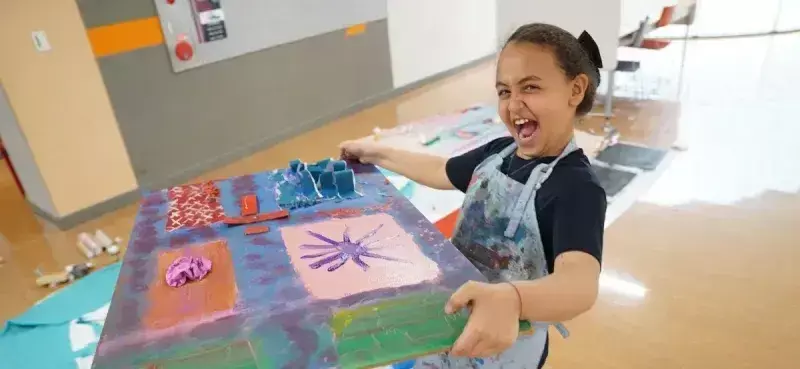
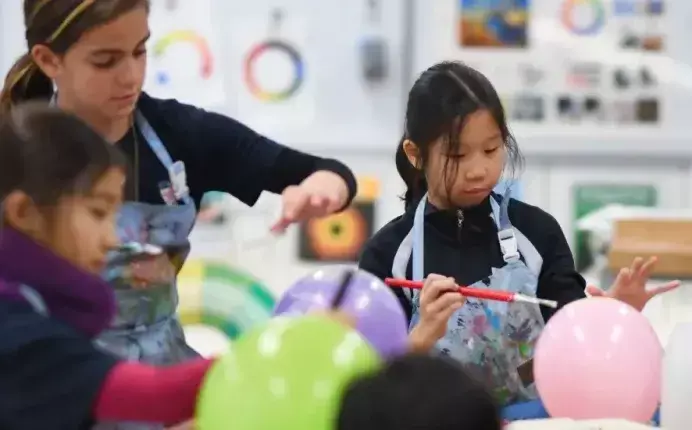
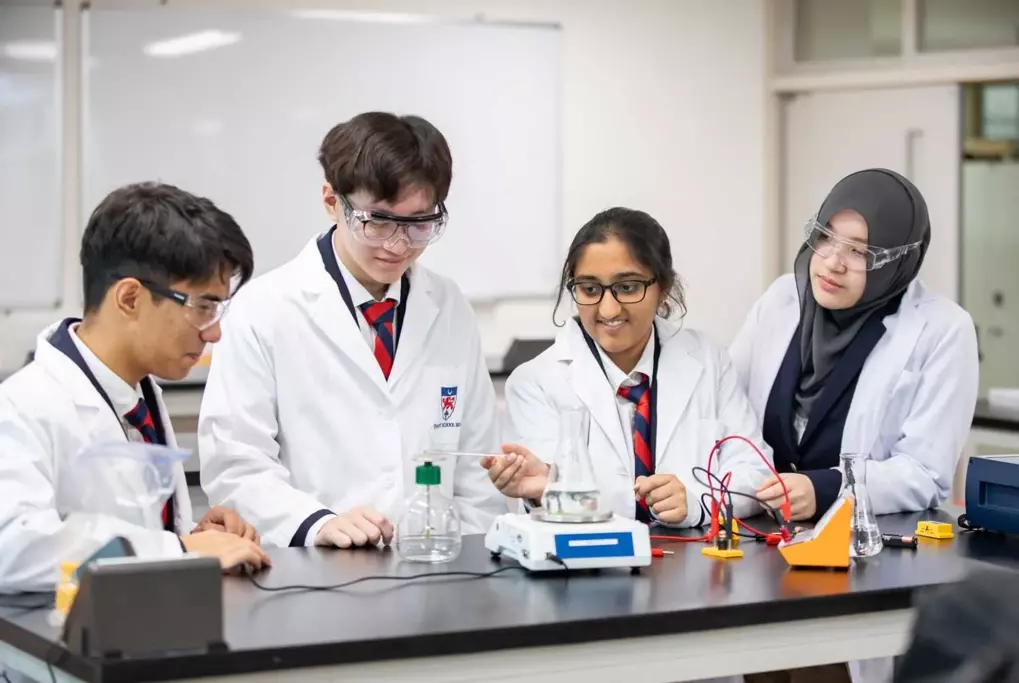
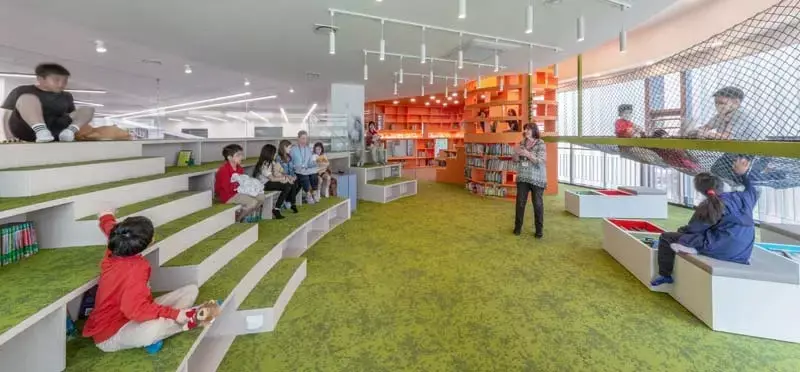
Our state-of-the-art campus offers exceptional learning facilities designed to support academic excellence, creativity, and innovation. These include a newly renovated library, a 450-seat auditorium, fully equipped science laboratories, a MakerSpace, Robotics Centre, and Design Lab. Students also benefit from a Drama Studio, a green screen broadcast centre, a roof garden and terrace, a lecture hall and gallery, art studios with a kiln, and music rooms featuring both large and small rehearsal spaces.
In addition, the campus includes a dedicated IB Diploma Programme (DP) Study Centre and numerous breakout spaces, including comfortable seating areas, table tennis, and table football, providing students with welcoming environments for collaboration, study, and relaxation.
|
|
Sports facilities at the school
|
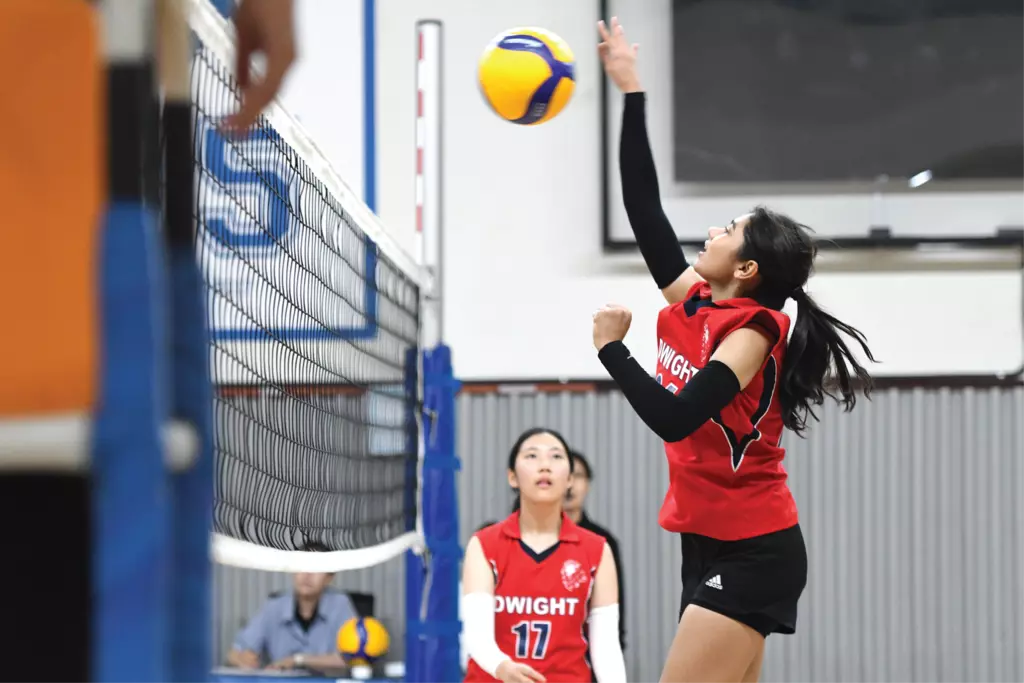
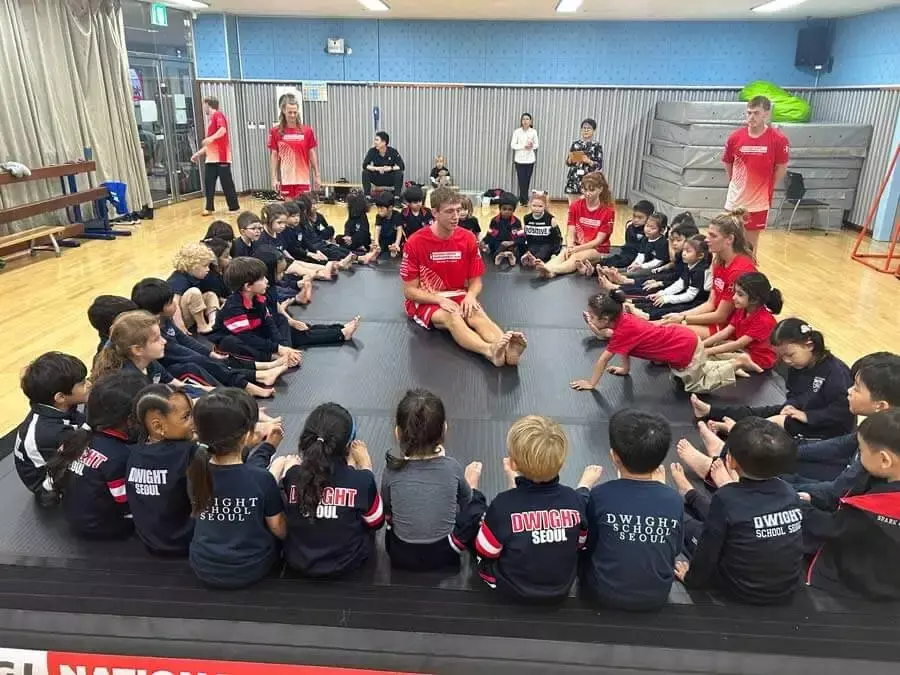
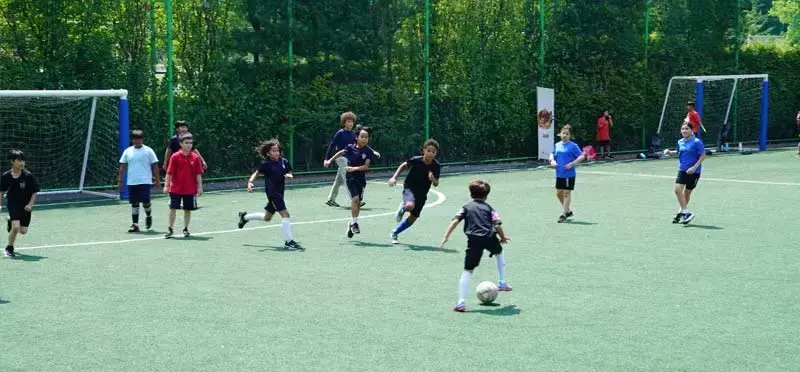
Our campus offers outstanding sports and recreational facilities, including a full-sized gymnasium, two outdoor fields, two playgrounds, and a dedicated dance studio. These spaces support a wide range of physical education classes, athletic programmes, extracurricular activities, and student well-being.
|
|
Qualities and characteristics best defining the school
|
At Dwight School Seoul, we are proud to be the first IB Continuum school in Seoul and have become the leading IB school in Seoul. However, our true mission extends beyond accolades and achievements — our goal is to ignite the spark of genius inside every child who attends Dwight. Our actions are determined by three pillars which supports our vision to foster the next generation of global leaders who can thrive anywhere in the world.
Personalized Learning
Dwight embraces the individuality of each learner, as no two students are the same. Dwight supports these student journeys through a robust academic curriculum and after-school programs. Dwight makes it a priority to focus on and develop each child’s spark of genius. Whether connecting a student with an exceptional mentor, designing tailor-made enrichment, crafting a special study abroad opportunity, or providing an innovative program or tutorial, Dwight recognizes and fosters each student’s gifts and talents.
Community
Dwight’s community is a family of diverse individuals whose collective goal is to build a better world. The power of our learning environment is enhanced by connecting and valuing the different contributions and talents of all members. Through unlimited service, leadership, programmatic, and scholarship opportunities, we inspire students to find their own unique paths to action.
Global Vision
Dwight’s mission, vision, and pillars extend globally across our network of schools and is supported by the International Baccalaureate ethos. Students develop a sense of themselves, as well as the world around them. Dwight opens students’ hearts and minds through challenges and opportunities, inviting students to build bridges within and between cultures.
|
|
Teaching approach of the school
|
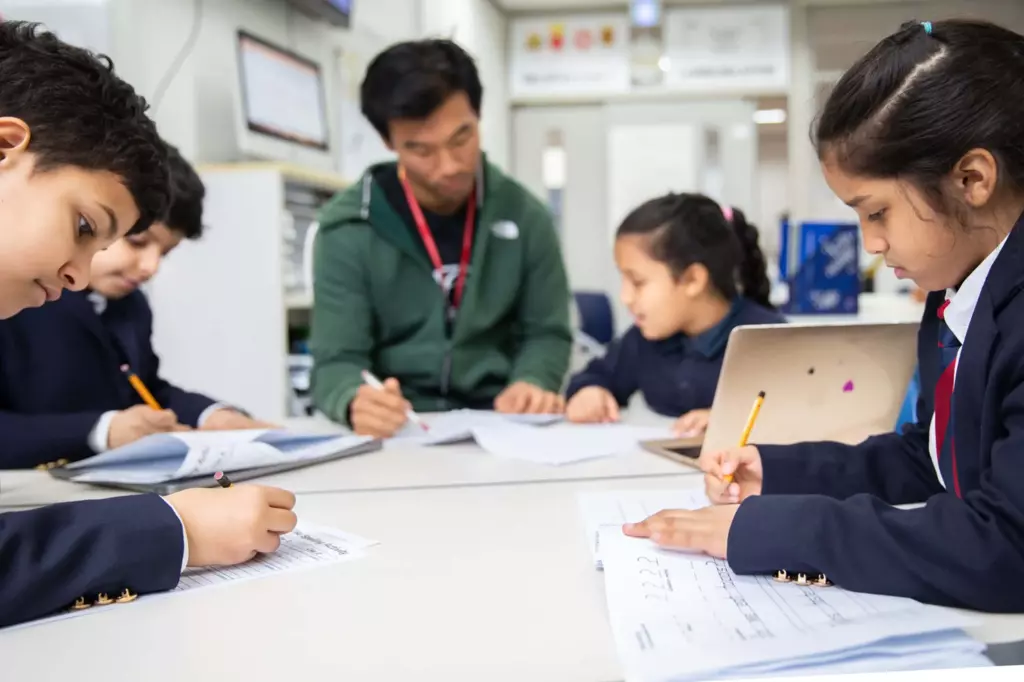
The IB curriculum serves as the foundation for our learning environment, providing students with an inquiry-led programme that focuses on academic excellence and skill development. Critical thinking, communication and collaboration play a significant role in our curriculum.
We believe that this approach encourages our students to take risks, develop a growth mindset and respect all those who are learning alongside them. We are proud that our students develop not only academically but also personally.
|
Early Childhood and Primary | Ages 2-11
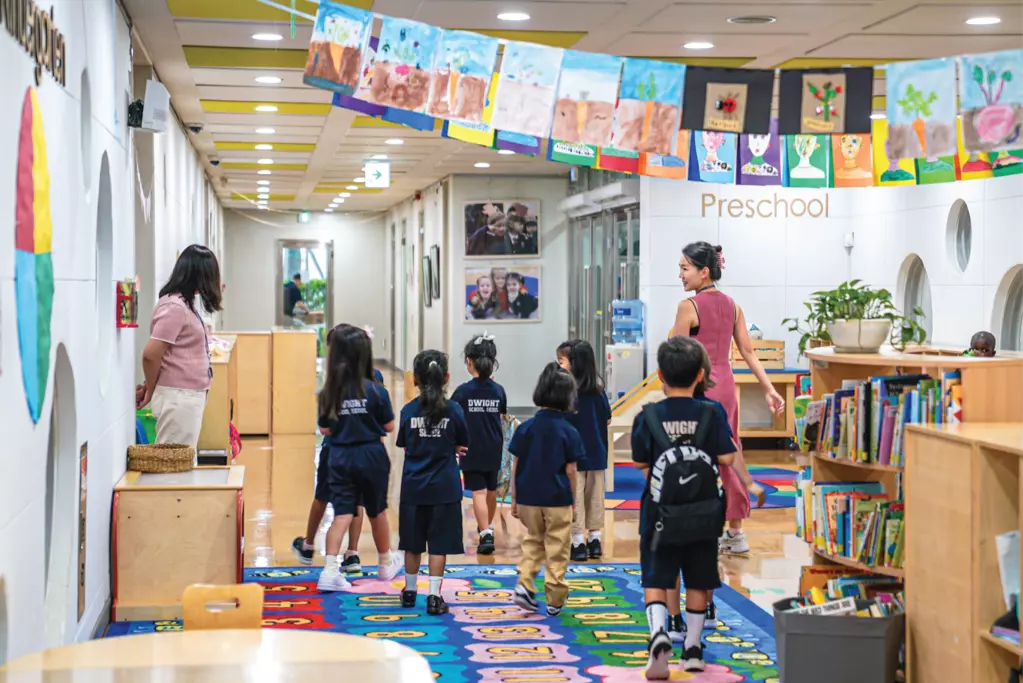
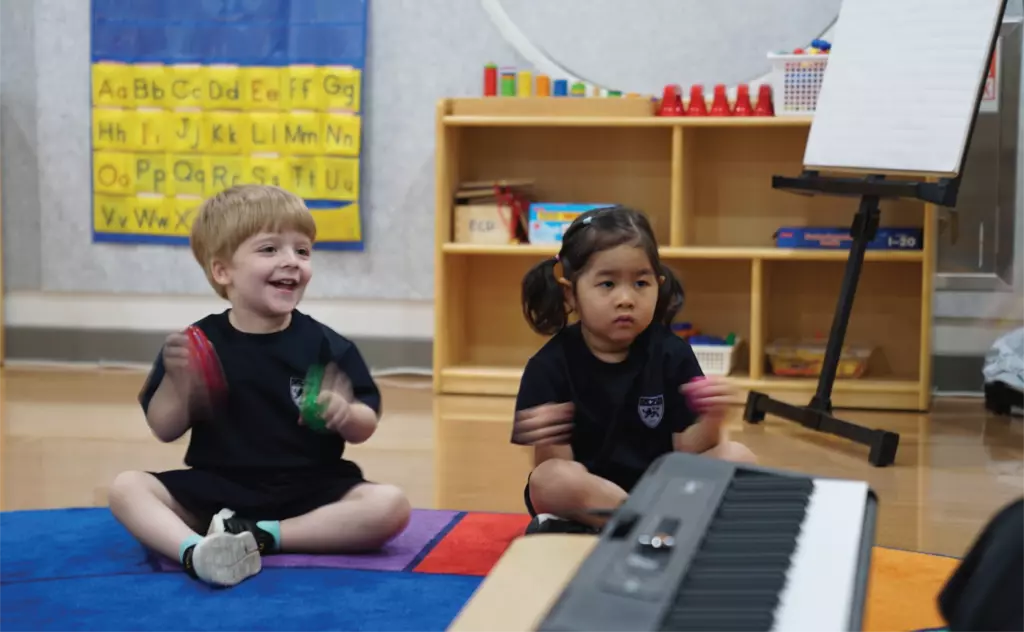
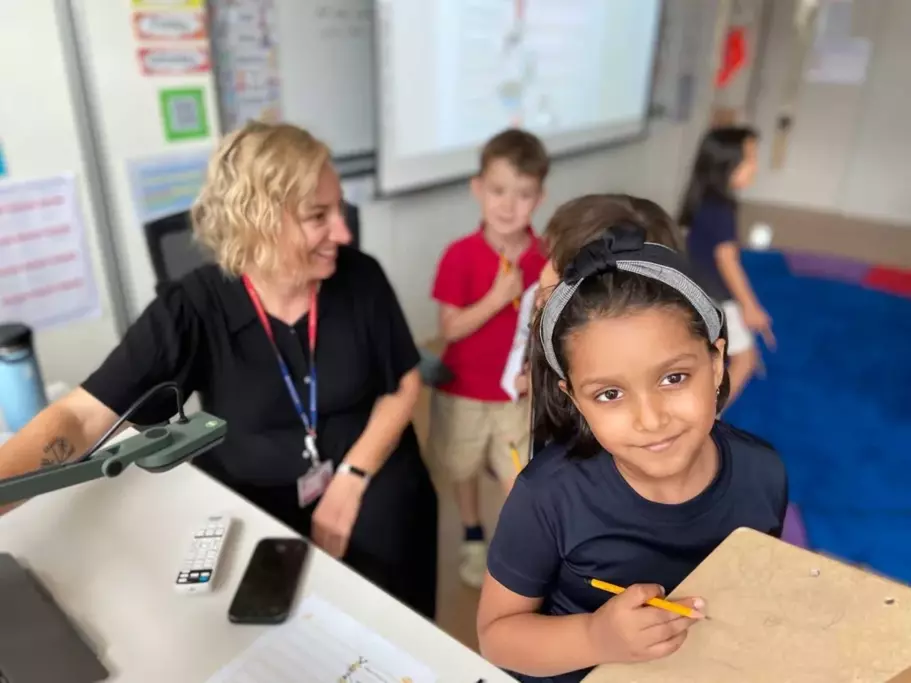
The Early Childhood Division caters to children aged 2 to 6 within our PYP program. We prioritize fostering nurturing relationships among students, teachers, peers, and the community in a safe and welcoming environment.
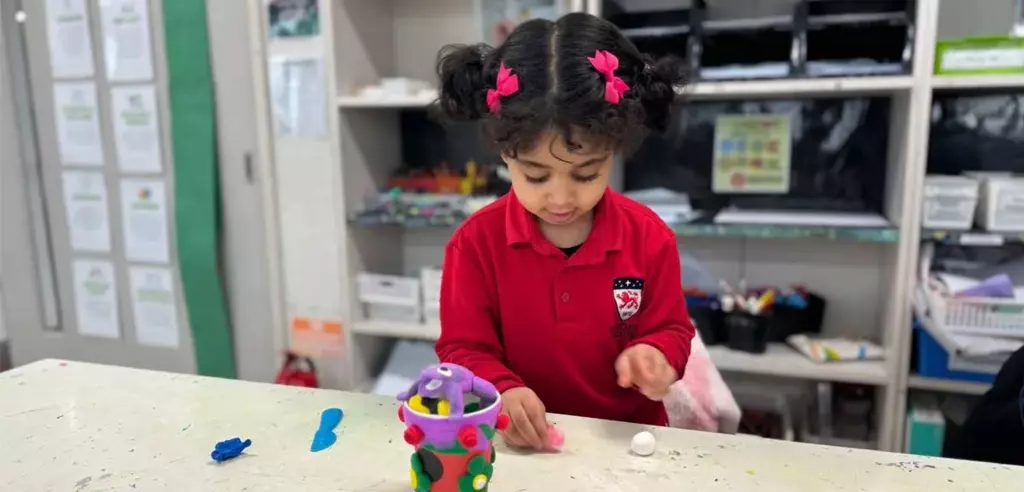
Our learning spaces are carefully designed to ignite curiosity and encourage exploration, with students having a say in their learning journey. Classroom displays reflect student progress and adapt to their inquiries over time.
Dwight School Seoul’s Primary Years Program (PYP) for grade 1 to grade 5 offers a dynamic, inquiry-based curriculum that fosters critical thinking and creativity. With a focus on global-mindedness and personal development, students build the knowledge and skills needed for future academic success.
Middle Years Program | Ages 11-16
In the Middle Years Program (MYP) at Dwight School Seoul, students dive deeper into critical thinking, problem-solving, and leadership. Our interdisciplinary approach prepares them to be active, reflective learners and responsible global citizens, ready for the challenges ahead.
IB Middle Years Program at Dwight is offered to students in grades 6 – 10. The MYP provides a framework of academic rigor that encourages students to embrace and understand the connection between traditional subjects and the real world, becoming critical and reflective thinkers.
IB Diploma Program | Ages 16-19
Dwight’s IB Diploma Program is an assessed program for students aged 16 – 19, spanning Grades 11 and 12. It employs a rigorous evaluation system encompassing both internal and external assessments. Culminating in a series of externally evaluated examinations, typically comprising two or three timed written tests, the program ensures a thorough understanding and application of knowledge.
The DP is the “gold standard” in pre-university preparation. Attaining success in DP examinations frequently leads to advantageous outcomes such as elevated academic standing, course credits, scholarships, and various admissions-related privileges at esteemed universities worldwide.
Our Campus
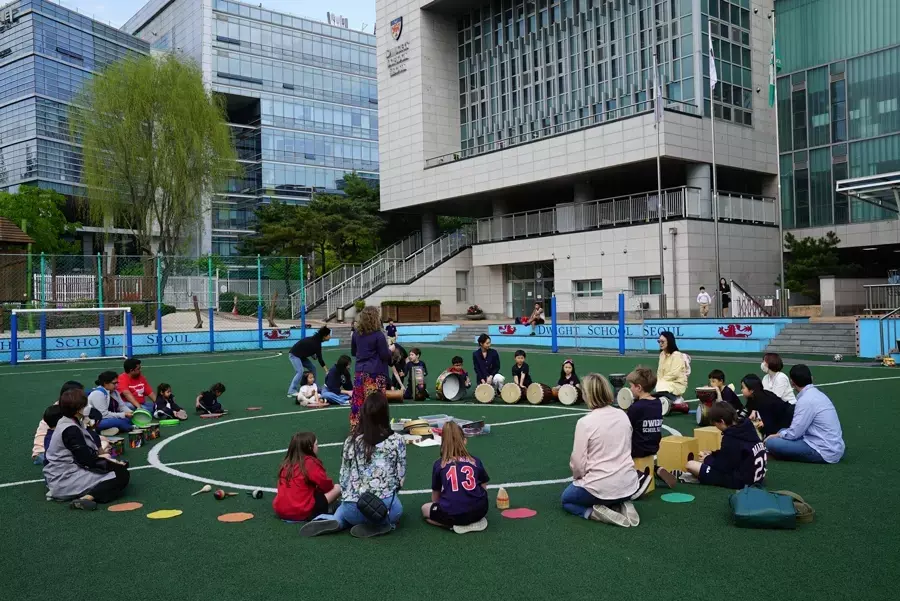
Dwight Seoul is situated in Digital Media City, Korea’s media and entertainment hub.
The campus spans 200,000 square feet and features a recently upgraded library, the Spark of Genius Center, a 455-seat performing arts center, a gym, a dance studio, three playgrounds, a lecture hall, an art gallery, a Makerspace, a Bakerspace, outdoor amenities, two music rooms, a green room, and technology labs.