H.I.S. Virtual Open Day
In this virtual event you will find out about life at H.I.S.
Join us to learn about the curriculum, our community and admissions.
Meet James Sorenson (Admissions & Marketing Manager) and Allyn Raw (School Director).

Allyn Raw
School Director
H.I.S. is a diverse international community and our students, their families and our staff all contribute to a shared vision of respect and understanding. Through our challenging programmes students enjoy discovery, collaborate with others, develop resilience and ultimately achieve and celebrate their success. Student well-being features strongly throughout the curriculum and is essential to encourage and empower students to become compassionate life-long learners.
Why H.I.S.
∙ High-quality education
∙ Motivated international staff
∙ Caring school community
Curriculum
∙ Programmes for students aged 4-18
∙ IB Primary Years Programme
∙ IB Middle Years Programme
∙ IB Diploma Programme
Languages
∙ English: Language of instruction
∙ German: lessons at all levels
∙ Spanish: grade 6-10
We have organised the information available for this school into 9 sections and 22 questions. Click or tap on the name of each section to read more.
|
Number of students
|
250
|
|
Number of nationalities represented in the school
|
50
|
|
Most common nationality
|
Usually the countries that are represented by the largest numbers of students are the USA, Germany, the United Kingdom and India. Some students have dual citizenship and many represent more than one country as a result of the different citizenships of their parents. The majority of the students speak English as their first language or one of their main languages and many are bilingual or trilingual.
|
|
Native English speaking teachers
|
Yes
|
|
Additional language classes offered by the school
|
German, Spanish
|
|
Max. number of students per class
|
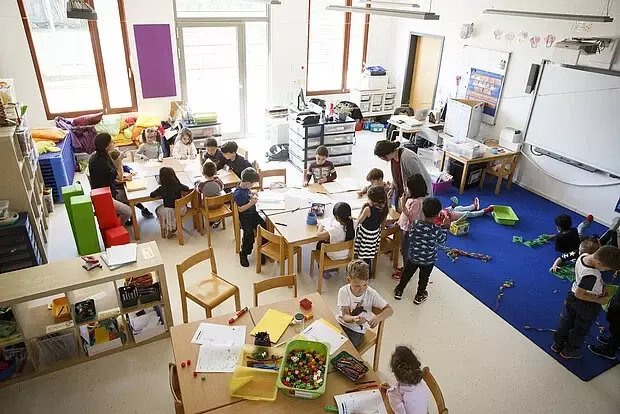
23
|
|
Average number of students per class
|
18
|
|
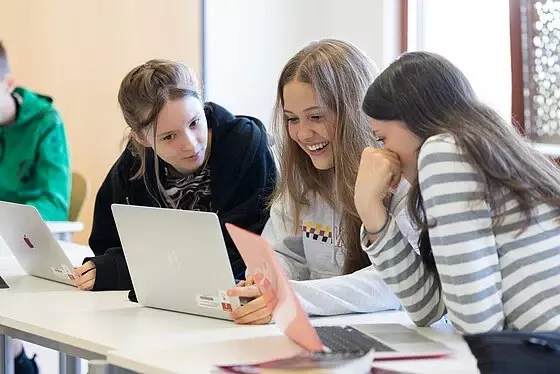
Use of technology in the classroom
|
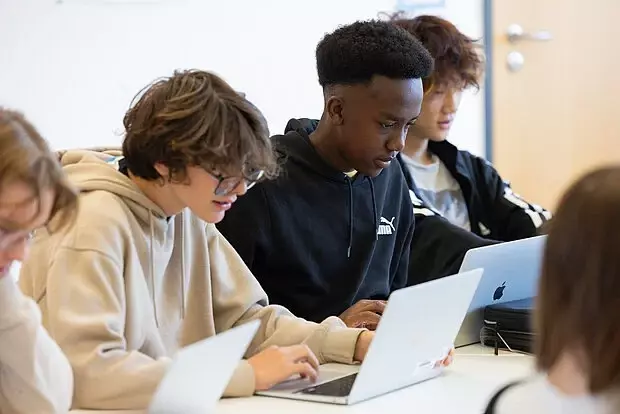
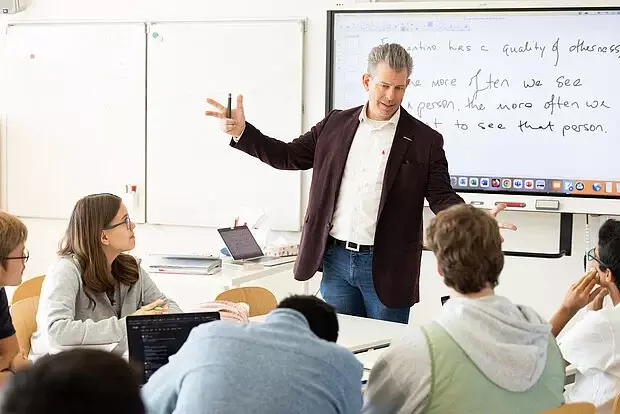
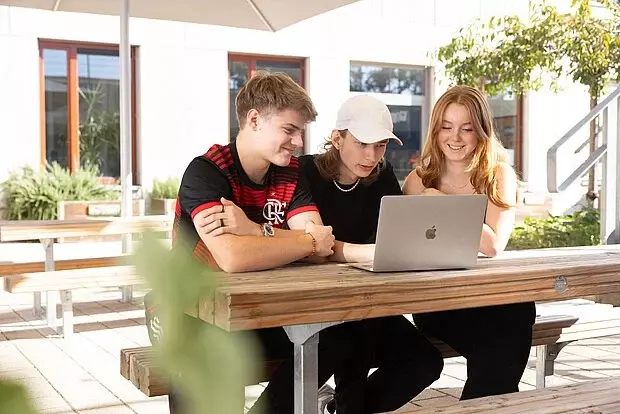
Classrooms are fitted with Smart Boards (interactive whiteboards) allowing students and staff access to dynamic resources and facilitating the most up-to-date teaching methods. Students of all ages work with computers. In the Primary School classrooms and library there are desktop computers. School laptops allow the students great flexibility, enabling the students to work from all locations across the whole campus.
|
|
External examinations or assessments available
|
IB Diploma
|
|
Deadline for registration (new academic year)
|
Applications may be submitted at any time throughout the year and will be processed on a first come, first served basis.
|
|
Students can join after academic year begins
|
Yes
|
|
School start time
|
08:20
|
|
School finish time
|
15:10
|
|
Supervised care before/after school
|
HIS After School Care is offered to students requiring supervision for a couple of hours after the end of the school day.
It is offered to students up to grade 5 from 15:20 to 17:30.
|
|
School bus service available
|
No
|
|
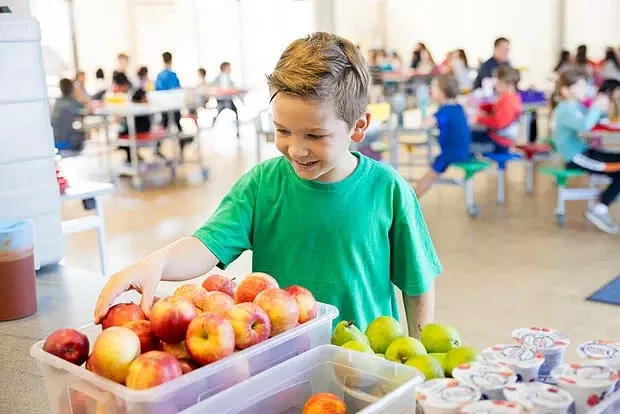
School provided lunches
|
Yes
|
|
Food alternatives for special dietary needs (ie. vegan, kosher, halal etc)
|
HIS offers vegetarian and non-vegetarian lunches.
|
|
Uniform required
|
No
|
|
Facilities at the school
|
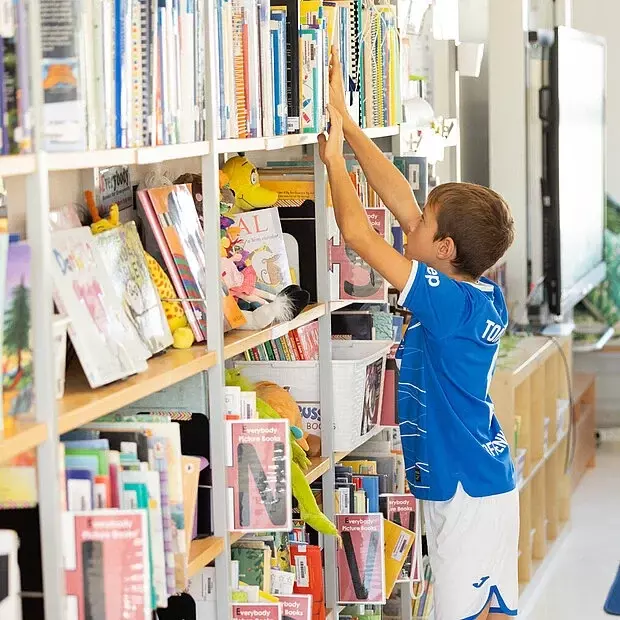
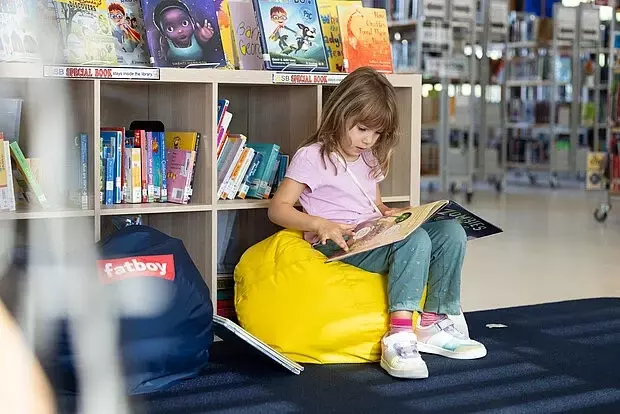
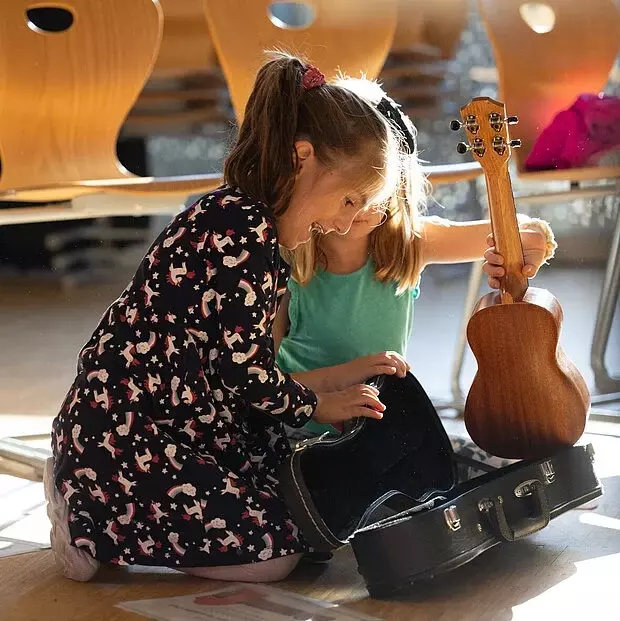
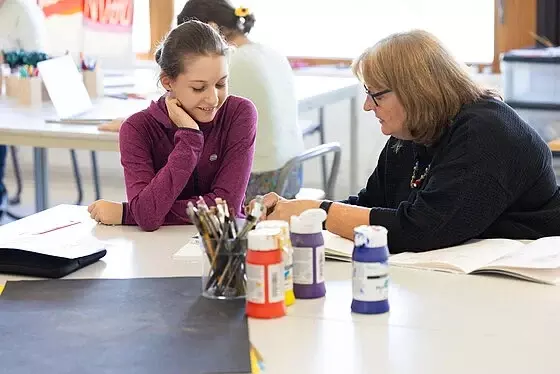
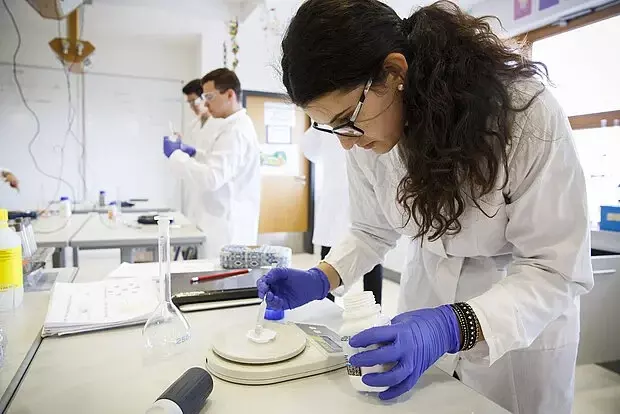
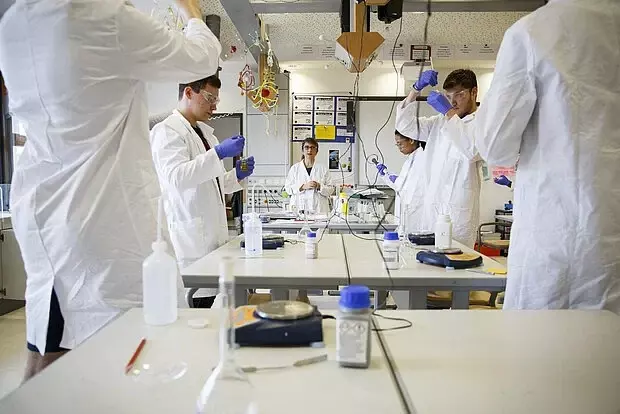
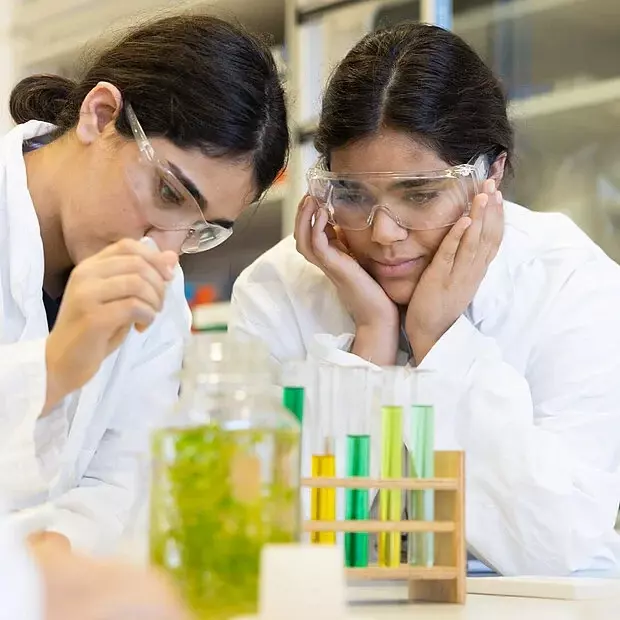
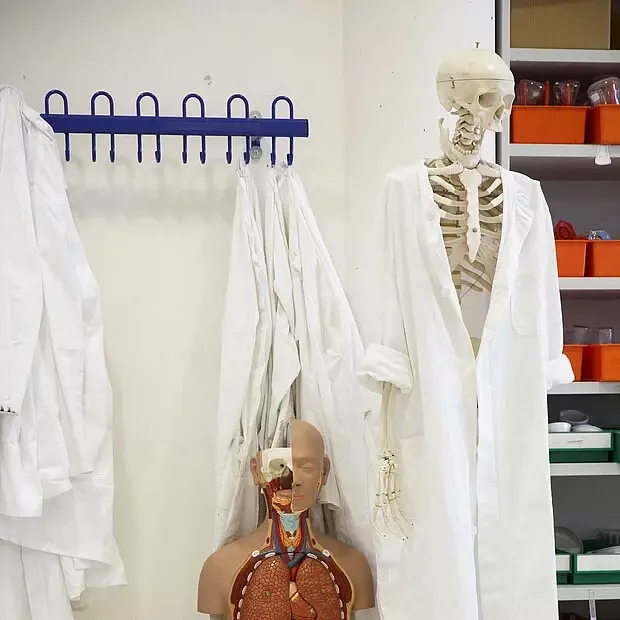
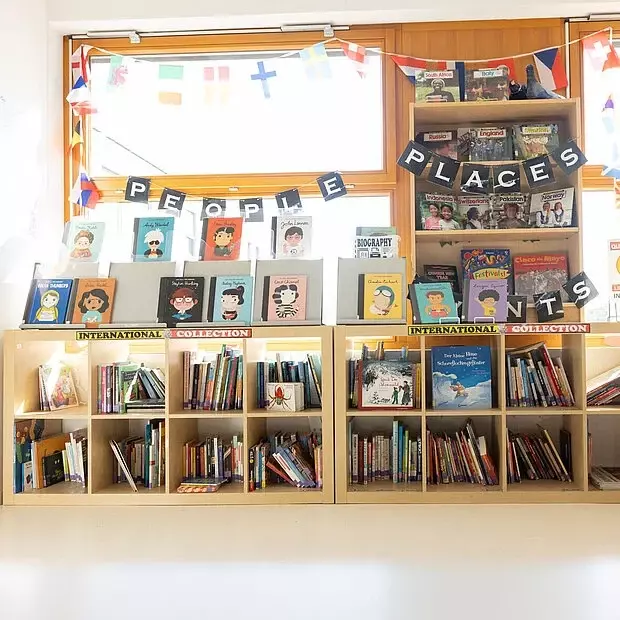
Library, art studio, music room, science lab
|
|
Sports facilities at the school
|
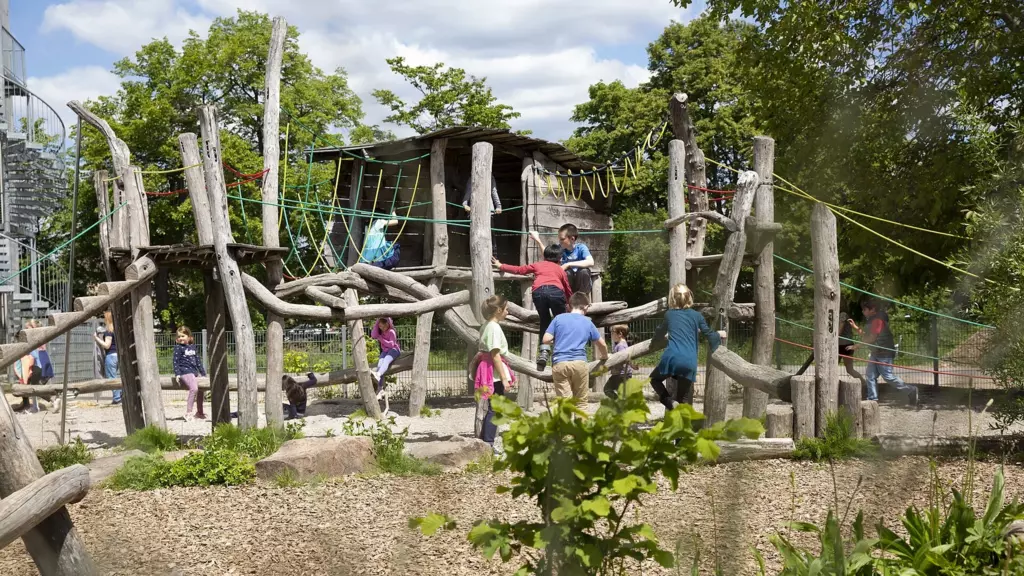
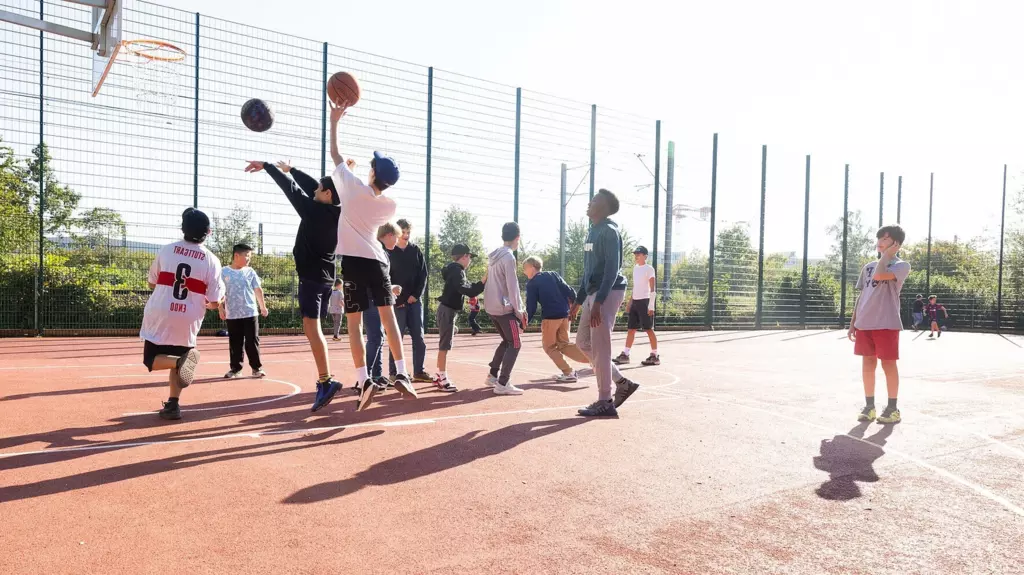
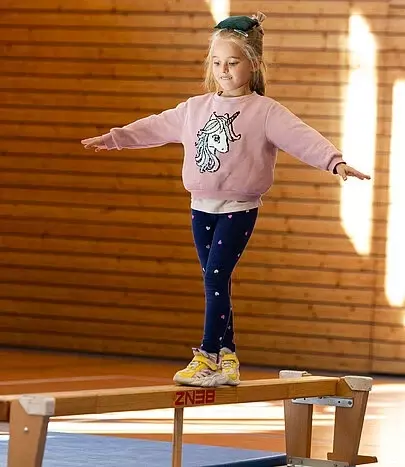
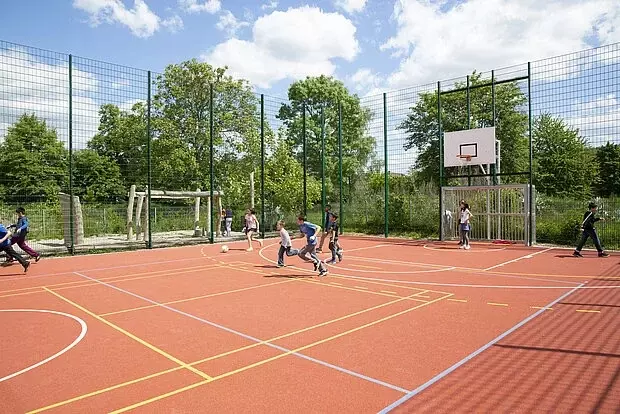
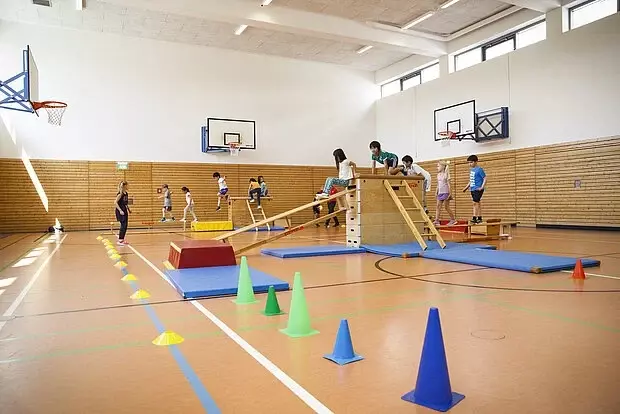
Gymnasium, basketball court, with two climbing walls
|
|
Qualities and characteristics best defining the school
|
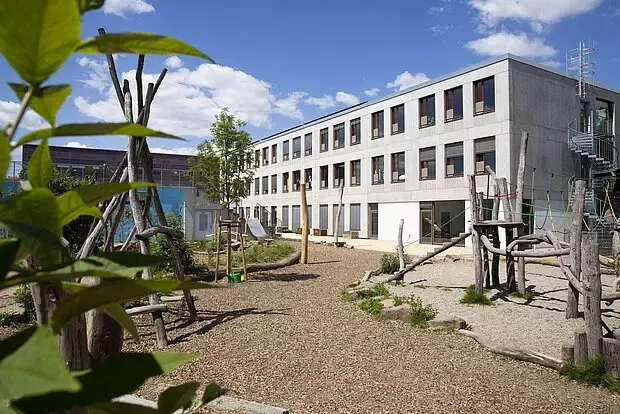
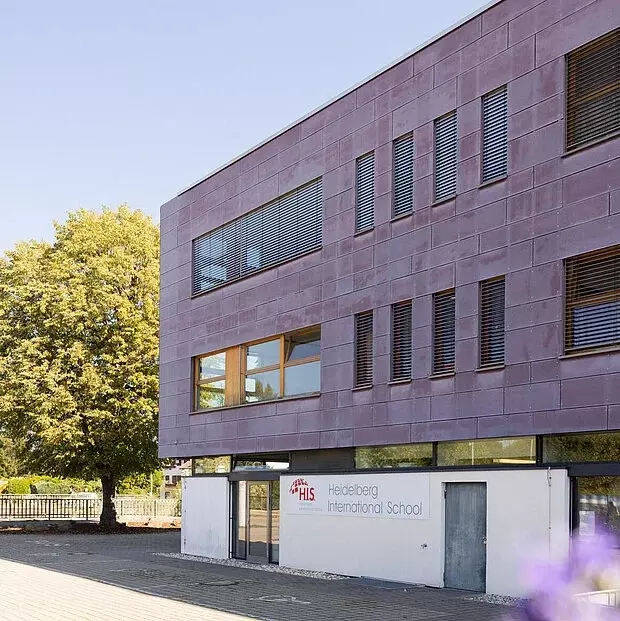
Heidelberg International School is an IB World School, serving the needs of the international community within the Rhine-Neckar region. HIS provides a respectful and supportive learning environment for students from 4 years old through to the IB Diploma.
|
Primary Years Programme | Ages 4 to 11
The IB Primary Years Programme focuses on the total growth of the developing child, social, physical, emotional and cultural needs in addition to academic development.
The holistic approach enables students to adapt and cope in new or unfamiliar situations, such as moving to a different country, culture and school. They are equipped with ideas, strategies and experiences, which can be applied to many situations they face as they grow and which have made them flexible in their approach to learning.
Students who have worked in the programme are able to make connections between their learning at school and apply this knowledge to the world around them. It is the development of these connections between all learning that will enable students to make sense of the world that they live in.
Middle Years Programme | Ages 11 to 16
The Middle Years Programme aims to equip students with the knowledge and skills they need to successfully find their standing in our complex and ever changing world. As young adults the students are faced with many challenges.
The MYP is a five year course of study starting in Grade 6 and continuing through Grade 10. Students take a broad and balanced range of subjects, which are studied in each year of the Programme:
∙ Arts ∙ Performing Arts, Visual Art
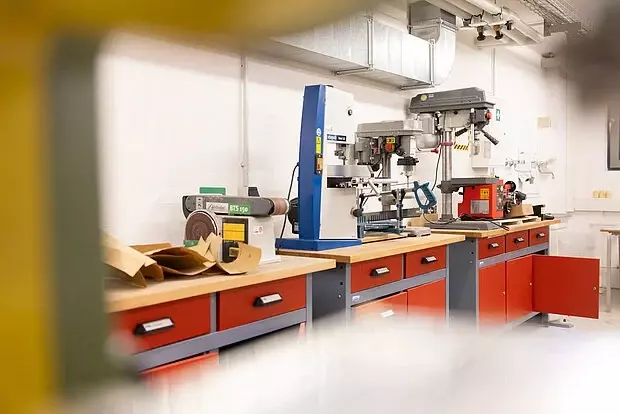
∙ Design ∙ Digital Design, Product Design
∙ Individuals and Societies ∙ History, Philosophy, Social Sciences
∙ Language Acquisition ∙ English, German, Spanish
∙ Language and Literature ∙ English, German
∙ Sciences ∙ Biology, Chemistry, Physics
∙ Mathematics
∙ Physical and Health Education
Diploma Programme | Ages 16 to 18
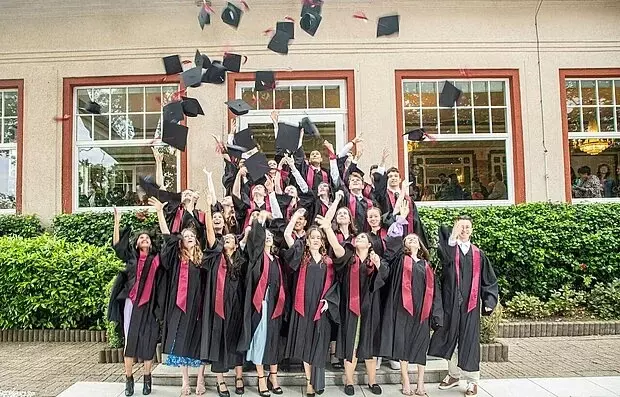
The IB Diploma Programme is designed as an academically challenging and balanced programme of education with final examinations that prepares students for success at university and life beyond.
The programme is taught over two years and has gained recognition and respect from the world’s leading universities.
The IBDP curriculum is made up of the Diploma core and six subject groups. Made up of three required components, the DP core aims to broaden students’ educational experience and challenges them to apply their knowledge and skills.
IBDP Subjects
∙ Group 1 ∙ Language and Literature (English, German)
∙ Group 2 ∙ Language Acquisition (German)
∙ Group 3 ∙ History, Business Management
∙ Group 4 ∙ Biology, Chemistry, Computer Science, Physics
∙ Group 5 ∙ Mathematics (Analysis & Approaches, Application & Interpretation)
∙ Group 6 ∙ Visual Art